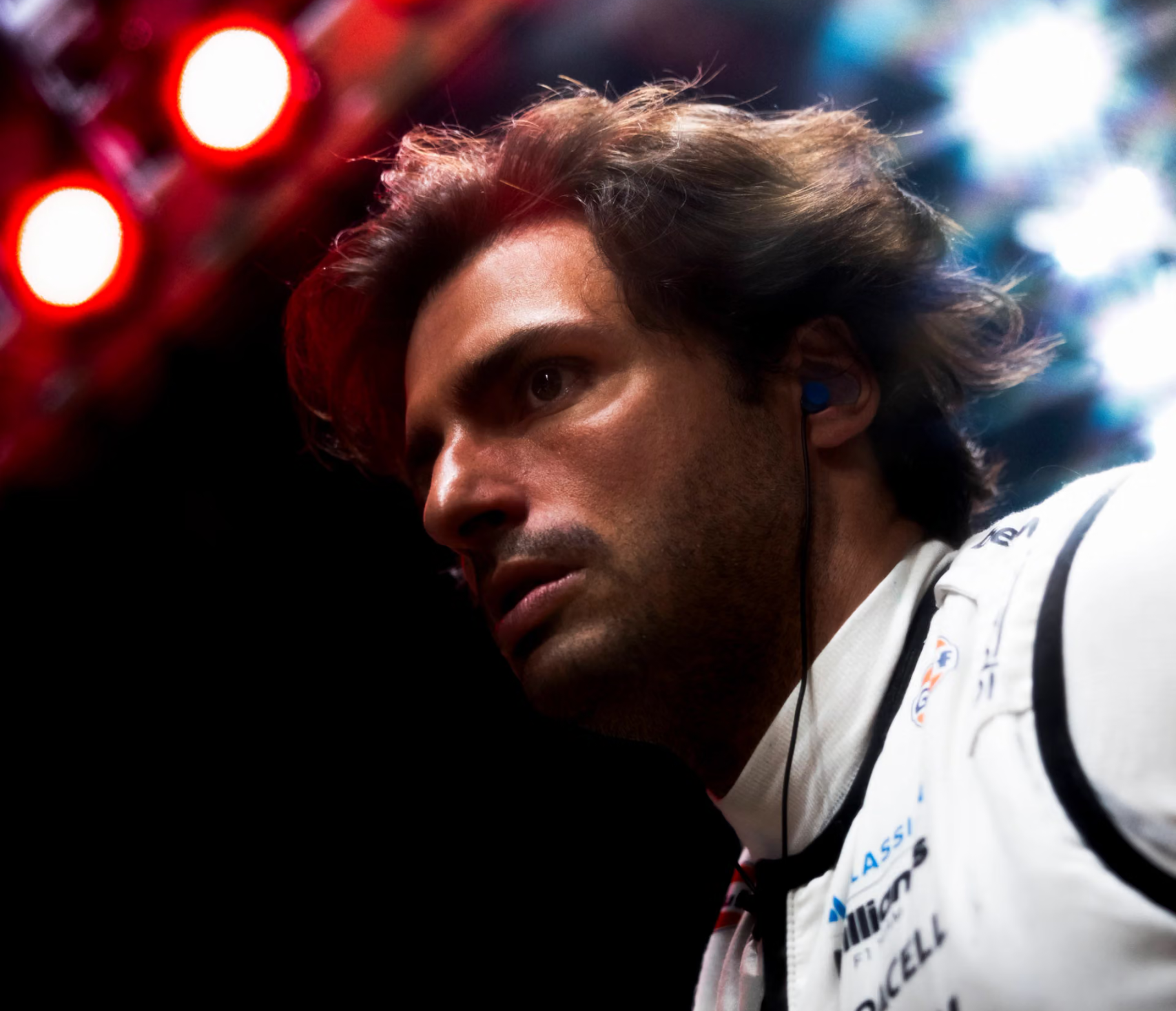
Carlos Sainz admitted Williams lacked the pace to fight for points at the 2026 F1 Singapore GP after the Spaniard’s encouraging opening stint came undone by early battery issues and a lack of downforce.
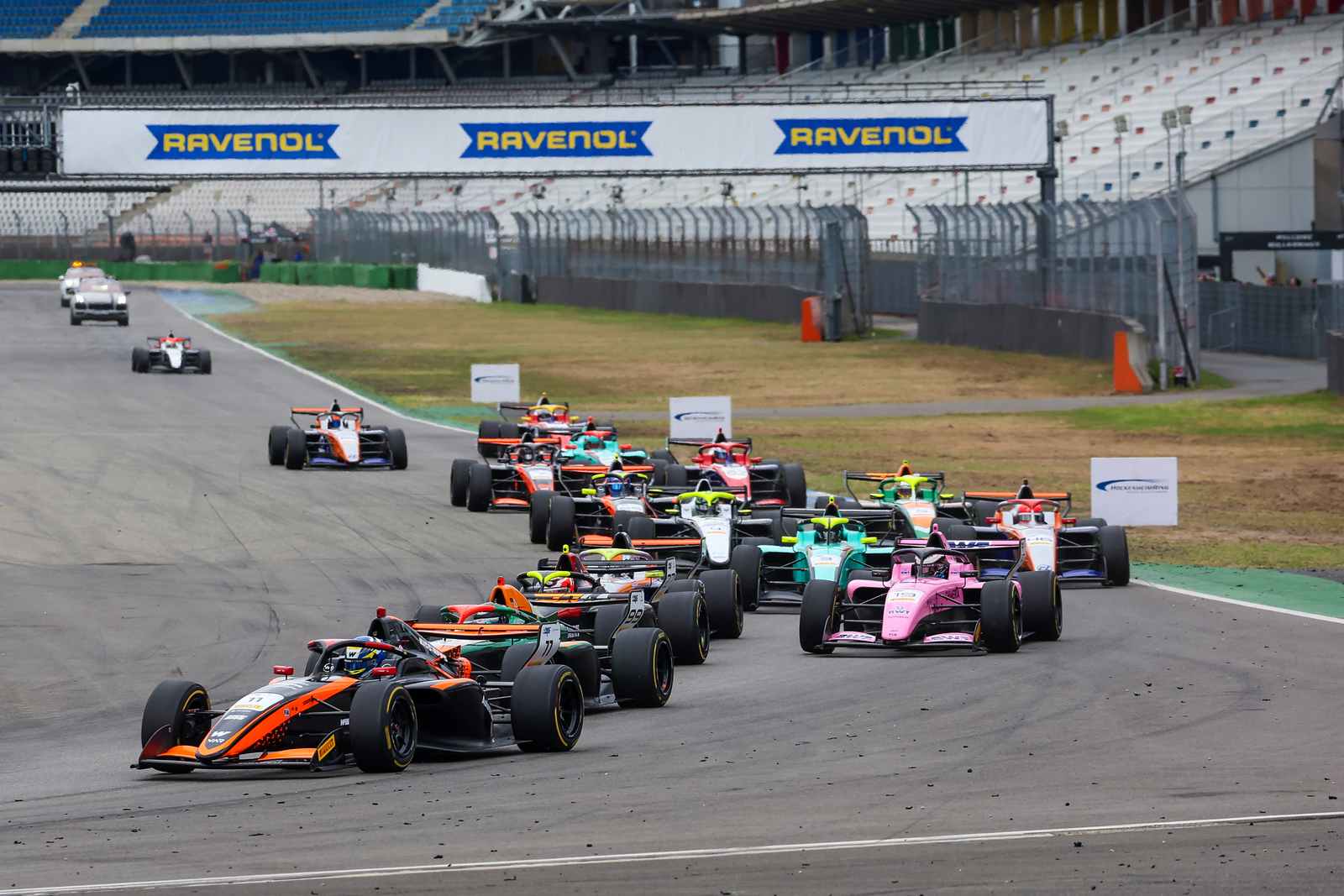
Starting from P13, Sainz made an aggressive move right from the beginning, going down the outside on the run and into Turn 1. It was three-wide with Nico Hülkenberg and Arvid Lindblad, with the Brit having to back out of it to avoid a collision. The 32-year-gained three spots.
However, that was as good as it got. Sainz had battery problems in the opening five laps. It cost him two positions to Ollie Bearman and Esteban Ocon, before concluding the race in P14. The gap to the lead midfield runner of Liam Lawson in 7th was over a minute and 15 seconds.
Carlos Sainz explains attacking Lap 1 at 2026 F1 Singapore GP
Reflecting on his start, the Spaniard revealed he had deliberately taken risks in an attempt to give Williams a chance of scoring points, knowing his strong launches offered one of their best opportunities to make progress.
“After such a good start, taking a lot of risks to try to get points today, it was our only chance knowing that we have really good starts and starting on the clean side and getting a good drive.”
Sainz acknowledged that he continued to struggle with how the car behaves during the opening lap, despite his brilliant start at the Marina Bay Circuit.
In a moment of transparency, he admitted that reaching the points positions in the earlier stages immediately raised the bar for what was possible, only for the car’s technical and performance limitations to intervene.
“I had to take a lot of risks in lap one, even though with the easiest car I’m struggling quite a lot in lap ones with the predictability of the car, but this time it worked out well when I managed to get into the points.
“Honestly, once I saw myself there I really thought we were on for getting points, but we had some battery issues in the first five laps that cost me the two positions with the Haas,. and then Russell and Hadjar started coming through and made getting points today very difficult. It’s a shame because it’s not like we had great pace either and we struggled quite a bit.”
Sainz defends close battle with Lindblad
The driver from Madrid was also asked about the close opening-lap incident with Lindblad — who was disappointed with how the lap unfolded — and Nico Hülkenberg.
However, Sainz saw the 2026 F1 Singapore GP incident differently, describing it as a typical first-lap squeeze at a narrow point on the track, where the tight opening corners leave little room for error.
“Typical sandwich, lap one, turn one, two here is extremely tight and three into one, never go,” Sainz said.
He recognised he was taking a tremendous risk by going around the outside and that the situation could have easily ended differently.
“I was on the outside so definitely taking the most risks. It could have definitely punted me off, but it’s how it goes. I’ve been on the bad end of that in lap ones recently so this time I was on the good end.”
Williams Baku upgrade brings progress, but lack of downforce remains a weakness for the rest of 2026
Looking beyond Singapore, the driver reflected on Williams’ recent upgrade and their progress across the triple-header, explaining that the improvements had delivered some benefits but had not addressed its most significant performance deficit.
According to Carlos Sainz, the team predicted that bringing the car down to the weight limit would improve its competitiveness to fight for Q2 appearances regularly — a stage that Williams had struggled to reach before Madrid. In fact, the four-time race winner got into Q3 at the next round in Azerbaijan.
“I think more or less as we briefed you guys before the upgrade we knew getting the car onto the weight limit was going to get us into a better position fighting for maybe Q2s like we are doing in these three races, while definitely before Madrid we were not even getting in Q2s,” he said.
The weight reduction helped Williams take a step forward, but Carlos Sainz stressed that the car remained fundamentally limited by its lack of aerodynamic performance and fundamental weaknesses it has had long before he even joined the team.
“Getting the car to a weight limit definitely improved the situation, but we lack so much downforce that as soon as you have a downforce sensitivity track like Malaysia or Singapore, we don’t have the tools to get points this year. Unfortunately it’s going to be like that until the end of the year.”