Formula 1’s unexpected return to Malaysia has reignited debate over whether the Malaysian Grand Prix deserves a permanent place on the calendar. While the October race has been announced as a one-off replacement for Bahrain, it may also offer the clearest indication yet of whether Formula 1’s long absence from Malaysia could finally be coming to an end.
Formula 1’s decision to return to Malaysia this October ranks among the biggest surprises of the 2026 season.
After almost a decade away from the pinnacle of motorsport, the Sepang International Circuit will host the rescheduled Bahrain Grand Prix following the cancellation of the original event earlier this year because of the ongoing conflict in the Middle East. Rather than disappearing from the calendar altogether, Formula 1, the FIA, Bahrain and the Malaysian authorities acted quickly to relocate the event to one of the sport’s most respected former venues.
For the first time since 2017, Formula 1 will once again race at Sepang.
Officially, the event is a one-off solution to an unprecedented situation. Unofficially, however, it could represent something much bigger. For one weekend, Malaysia has the chance to show why many fans believe Sepang never should have disappeared from the Formula 1 calendar in the first place.
Why Sepang and Malaysia remain a perfect for Formula 1
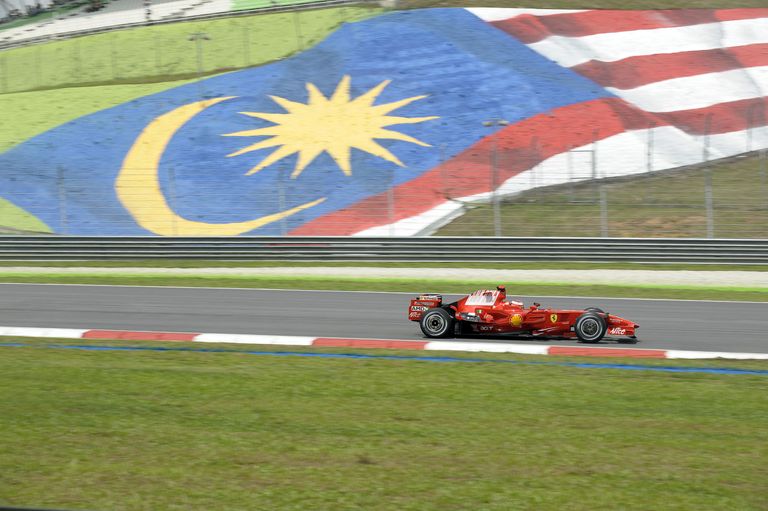
Few former Formula 1 venues remain as highly regarded as Sepang. Designed by Hermann Tilke and opened in 1999, the 5.543km circuit remains one of the German designer’s finest creations. Wide run-off areas, multiple overtaking opportunities, heavy braking zones and a mix of high and medium-speed corners have consistently produced races that reward both driver skill and strategic decision-making.
Then there is Malaysia itself.
The combination of intense heat, high humidity and sudden tropical downpours has regularly turned straightforward Grands Prix into unpredictable contests. Few circuits punish mistakes quite like Sepang, and even fewer have produced as many memorable races.
Therefore, it is little surprise that Formula 1 President and CEO Stefano Domenicali described Sepang as holding “a special place in Formula 1 history” when confirming its return.
From a sporting perspective, there has rarely been any doubt. Sepang has always been a perfect venue for Formula 1.
Why Formula 1 left Malaysia in the first place
The question then becomes, if Sepang has always delivered exciting racing, why did Formula 1 leave?
Unsurprisingly, in modern F1, the answer has always been commercial rather than sporting. Malaysia dropped off the Formula 1 calendar after the 2017 season as hosting fees continued to rise while attendances gradually declined. Eventually, the Malaysian government concluded that the growing financial commitment no longer represented sufficient value for public investment.
Nearly a decade later, those concerns are unlikely to have disappeared. Although Formula 1 has enjoyed a surge in popularity in recent years, staging a Grand Prix is still an expensive commitment. Annual hosting fees, operational costs and long-term contracts represent significant financial challenges for any government considering a permanent return.
That makes this October’s race very different.
Unlike a traditional Malaysian Grand Prix, Bahrain retains the commercial rights to the event and is expected to absorb much of the financial responsibility associated with relocating the race. Malaysia is hosting Formula 1, but it is not yet funding a permanent place on the calendar.
That distinction is important and one that fans of the circuit are all too aware of.
Malaysia’s unexpected Formula 1 audition
Whether intended or not, October’s Bahrain Grand Prix at Sepang has become a live audition.
Formula One Management will undoubtedly examine attendance figures, television audiences and the economic impact generated across the race weekend. Just as important will be operational delivery, local sponsorship, government backing and the overall fan experience.
Unfortunately, Formula 1 calendars are no longer decided purely by the quality of the circuit. Commercial sustainability, tourism value and long-term partnerships now play a major role in determining which races remain on the calendar. As such, if Malaysia can demonstrate strength across each of those areas, discussions surrounding a permanent return will inevitably become more serious.
Why Malaysia could also strengthen Mercedes’ commercial presence
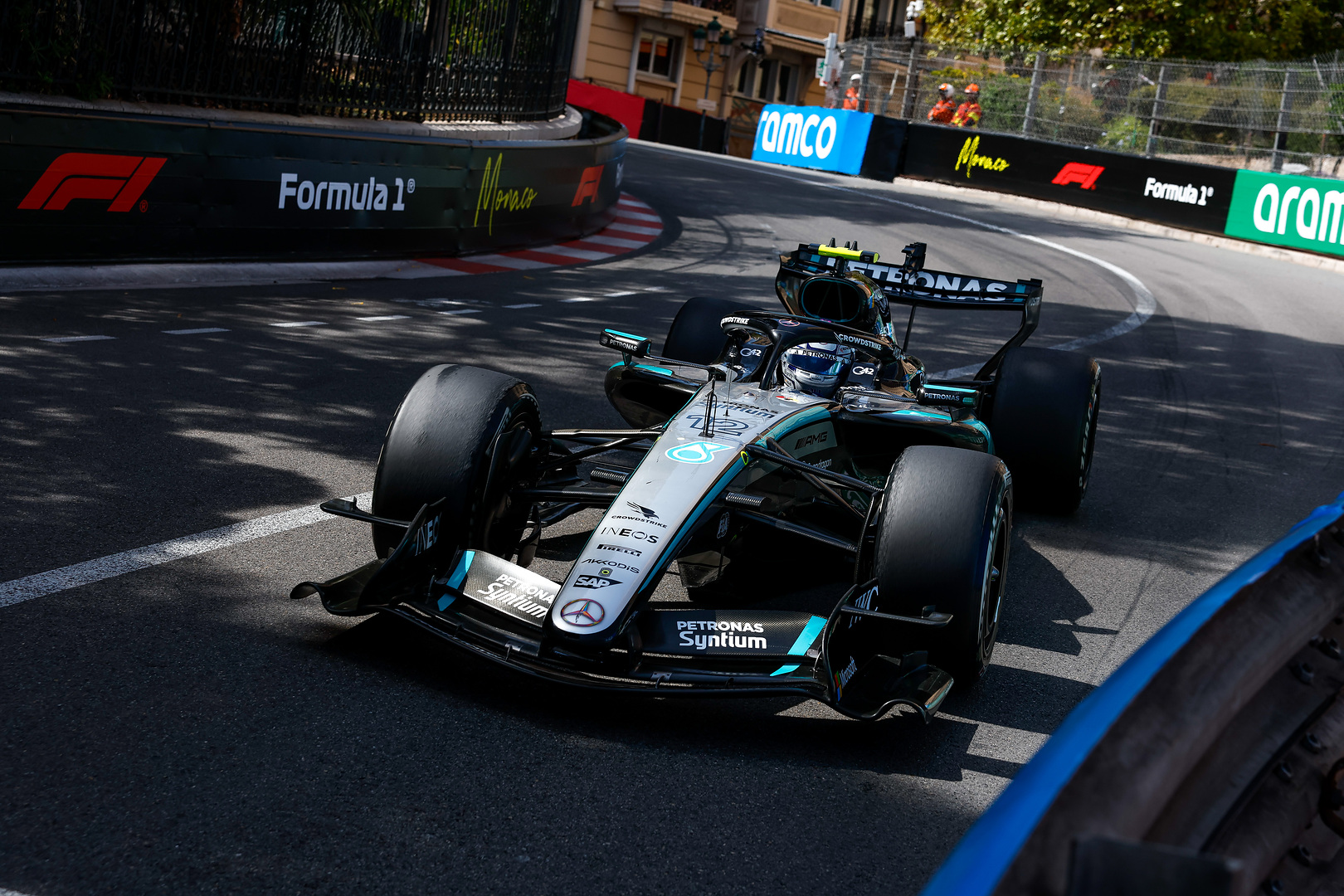
One factor that should not be overlooked is Mercedes’ long-standing partnership with Petronas. Since 2010, the team has competed under the Mercedes-AMG Petronas Formula One Team banner, while Petronas remains headquartered in Kuala Lumpur.
As a result, Malaysia is one of the brand’s most important markets and a regular race in the country would represent a significant commercial opportunity for both Mercedes and Petronas.
Even though Formula 1 calendars are not built around the interests of individual teams or sponsors, a Malaysian Grand Prix would provide Mercedes and Petronas with a valuable home event for customer engagement, hospitality and commercial activation.
It would also create opportunities to strengthen the partnership’s visibility in one of Southeast Asia’s largest economies. Few races could offer the same level of alignment between a title sponsor and its home market.
While commercial considerations extend far beyond a single team, Formula 1 has increasingly demonstrated the importance of major corporate partnerships in supporting the long-term success of Grands Prix. A return to Malaysia would therefore bring benefits that extend beyond the racing itself.
Mercedes has already embraced Formula 1’s return to Malaysia across its digital platforms, highlighting the importance of the market to one of the championship’s longest-standing commercial partnerships.
Why Malaysia faces tough competition for a permanent Formula 1 return
Even if Sepang delivers a flawless weekend, securing a permanent place on the calendar remains far from straightforward. The schedule is already close to capacity, while demand from prospective hosts continues to grow.
Thailand is progressing plans for its own Grand Prix, South Africa continues exploring a return, Rwanda has openly expressed its ambitions. Argentina has also re-entered the conversation, with growing interest following Franco Colapinto’s arrival in Formula 1.
Existing venues, meanwhile, remain locked in negotiations to protect their own futures. Already we have heard that the legendary Spa-Francorchamps will alternate with Circuit de Barcelona-Catalunya.
Under the agreements announced by Formula 1: Spa-Francorchamps hosts the Belgian Grand Prix in 2026, 2027, 2029 and 2031. Circuit de Barcelona-Catalunya hosts the Barcelona-Catalunya Grand Prix in 2028, 2030 and 2032.
The traditional Spanish Grand Prix has moved to Madrid, while Barcelona remains on the calendar as a separate event on a rotating basis with Spa.
With only so much room on the calendar, every new race effectively comes at another circuit’s expense.
That reality may be Sepang’s biggest obstacle. The circuit no longer needs to prove it can host Formula 1. Instead, it must prove why it deserves a place ahead of somebody else.
Why timing could work in Malaysia’s favour
The circumstances that forced Formula 1 away from Bahrain may also have created Malaysia’s biggest opportunity in almost a decade.
Rather than spending years lobbying for a return, Sepang has been handed an immediate chance to demonstrate its capabilities under genuine Grand Prix conditions.
The infrastructure already exists. The circuit remains active. The local expertise has never disappeared. Few prospective venues could step into the championship at such short notice.
If the weekend runs smoothly, Formula One Management will have fresh evidence that Sepang remains one of the world’s premier Grand Prix venues.
Will Formula 1 return to Malaysia permanently?
It remains too early to say.
The commercial realities that removed Malaysia from the calendar in 2017 have not disappeared, and Formula 1’s schedule has arguably become even more competitive in the years since.
This time, though, something feels different. For the first time in almost a decade, discussion about Formula 1 returning to Malaysia is no longer driven purely by nostalgia. It is being driven by opportunity.
October’s Bahrain Grand Prix at Sepang is officially an emergency replacement. It could become Formula 1’s most significant calendar audition since Liberty Media began reshaping the championship’s global footprint.
If Malaysia can combine a successful event with a sustainable long-term financial model, the question may soon shift from “Could Formula 1 return to Sepang?” to “How can Formula 1 afford not to?”