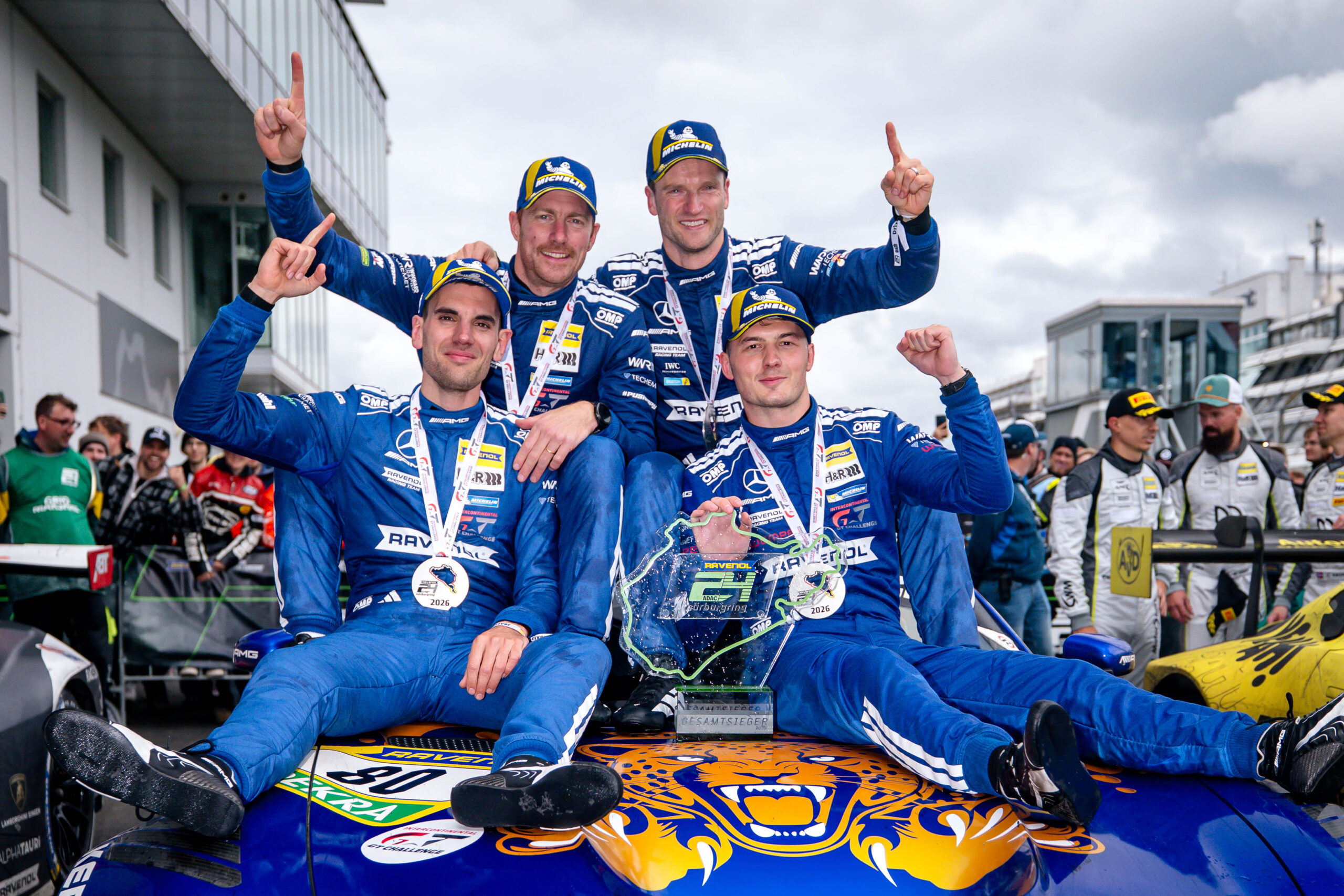
Maro Engel arrived at Zandvoort carrying the emotions of a long-awaited Nürburgring 24 Hours victory, but the Mercedes-AMG Motorsport Performance Driver had little time to celebrate before turning his attention back to DTM.
Engel and Jules Gounon entered the weekend after experiencing contrasting outcomes at the endurance classic. Engel formed part of the victorious Mercedes-AMG Team RAVENOL line-up, while Gounon’s No. 3 Mercedes-AMG GT3 had led for significant periods before extensive damage to several components ended its challenge. The exact cause of the failure has not yet been determined.
In an exclusive interview with Pit Debrief, Engel discussed the significance of the Nürburgring result, the demanding schedule that followed and the change in mentality required when moving from endurance racing to a sprint format.
Engel described pride after Nürburgring 24 Hours victory
Mercedes-AMG Motorsport had pursued another Nürburgring 24 Hours victory for a decade, with several promising attempts falling short during that period.
Engel had shared cars with Gounon during previous editions and had experienced opportunities to fight for the overall win without ultimately securing the result. That history made the 2026 triumph particularly meaningful for the German manufacturer and everyone involved in its GT programme.
Engel felt immense pride after helping return the Nürburgring 24 Hours victory to Affalterbach. However, the result also came with mixed emotions after he witnessed the No. 3 car slow during the closing stages.
Gounon and his teammates had demonstrated race-winning pace throughout the event before the technical failure removed them from contention. Engel understood the disappointment they faced and admitted that seeing another Mercedes-AMG Motorsport crew lose a potential victory had saddened him, despite his own success.
“Yeah, I mean, it’s like Jules said: it’s a win we, as Mercedes-AMG Motorsport, have been chasing for 10 years. There have been many tries, and a lot of effort went into it. I shared cars with Jules as well in 2022, 2023 and 2024, and we had opportunities, but it just didn’t come together.”
“So, above all, it was a feeling of being very, very proud and happy that we managed to take this win back to Affalterbach. When I saw the number three car slowing, it was something I was actually very sad about in that moment because I knew exactly the pain they would feel. So, it’s never nice to see.”
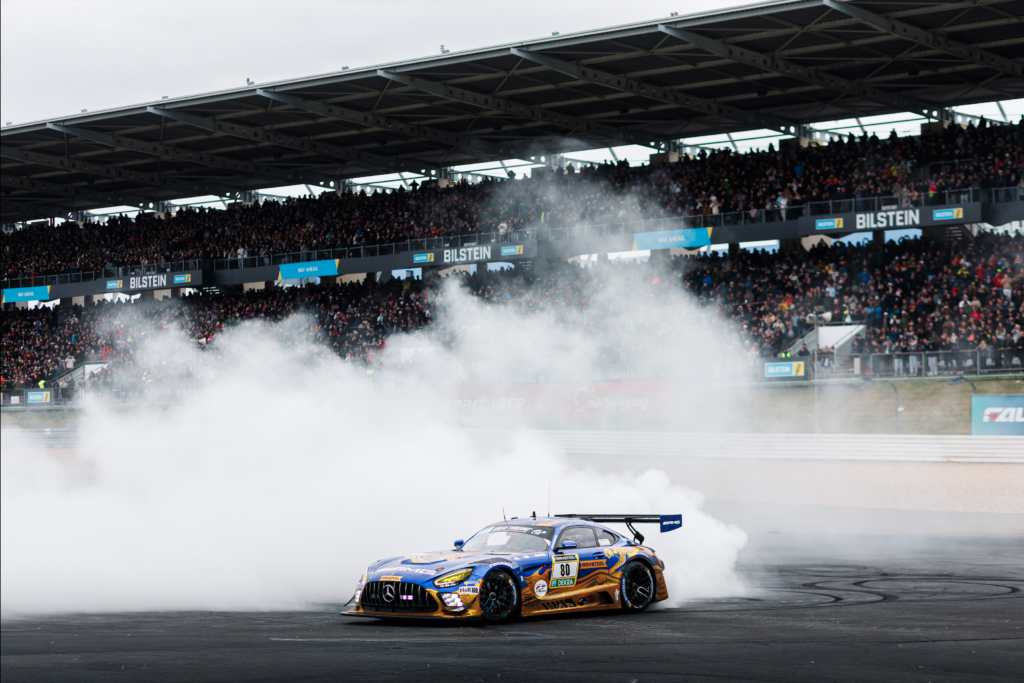
Focus quickly shifted from celebration to Zandvoort
The demanding GT racing schedule gave Engel little opportunity to fully process the victory.
Following the Nürburgring 24 Hours, the drivers travelled to Belgium for the CrowdStrike 24 Hours of Spa Prologue before heading directly to Zandvoort for the next DTM round. The sequence of events placed a significant physical and mental strain on everyone involved.
Engel therefore concentrated on remaining present and directing his attention towards the immediate challenge. Rather than allowing the previous weekend’s result to influence his preparation, he focused on giving Mercedes-AMG and his DTM team the strongest possible performance at Zandvoort.
He also viewed the quick turnaround as one of motorsport’s attractions. A busy calendar provided drivers with frequent opportunities to compete, respond to setbacks and build on successful results.
“But yeah, it’s been a challenging week for, I think, everybody in GT racing, with the Nürburgring 24-hour race, the Spa Prologue, and now moving to Zandvoort. So, for sure, it’s a physical challenge.”
“Yeah, the main aim now is just to be present and focus here in Zandvoort. And, like Jules said, it’s the beauty of our sport as well, as we have so many great races and lots of opportunities to go racing and to make it successful.”
Sprint racing required a more aggressive approach
Engel also explained how drivers adjusted their mentality when moving from endurance competition to shorter DTM races.
In sprint racing, drivers received fewer opportunities to overtake and could not afford to wait too long before attempting a move. They therefore needed to act decisively when an opportunity appeared and ensure the manoeuvre succeeded.
Endurance racing required a more measured approach. Drivers prioritised protecting the car and returning it to their teammates in the best possible condition. When an overtaking opportunity carried too much risk, they could often remain patient and wait for another chance later in the race.
Although the fundamental objective of driving as quickly as possible remained unchanged, the two formats demanded different levels of patience and risk management.
For Engel, the transition from the Nürburgring 24 Hours to DTM therefore involved more than recovering physically. He also needed to move away from the controlled approach required during a day-long endurance race and adopt the immediate, uncompromising mindset demanded by sprint competition.
“I think in sprint-format racing, so in DTM or even in GT World Challenge Sprint, you know you’re not going to get very many opportunities to overtake the car ahead of you, so you need to make those moves stick”
“In an endurance format the overall aim is always to give the car to your teammate in impeccable condition. If you don’t get a clear move done, then there will usually be another opportunity a little bit later.”
“So, the mindset is a little bit different, although, obviously, we’re still doing the same thing and just trying to go as quickly as possible. But in endurance racing, you just have that little bit more patience.”