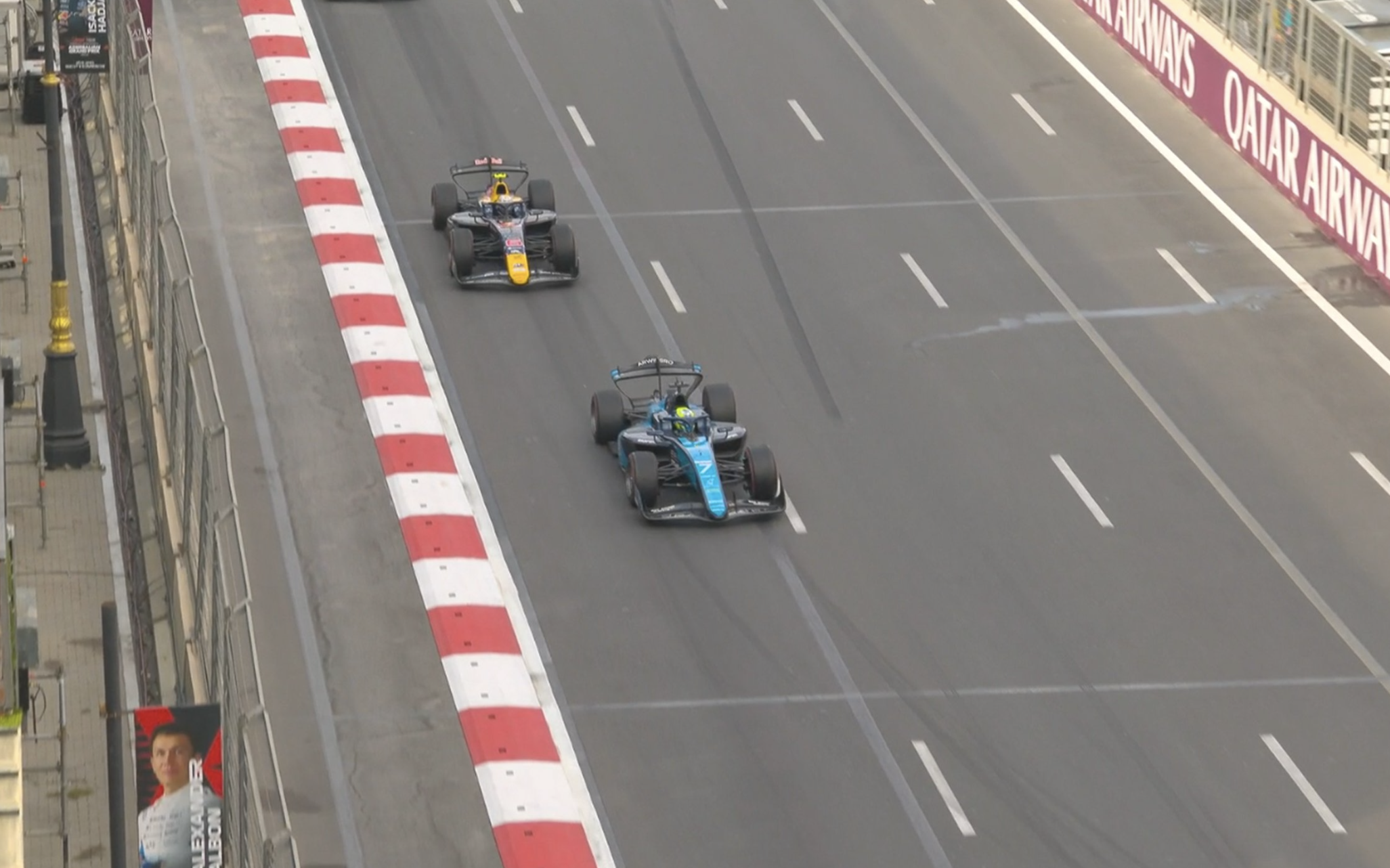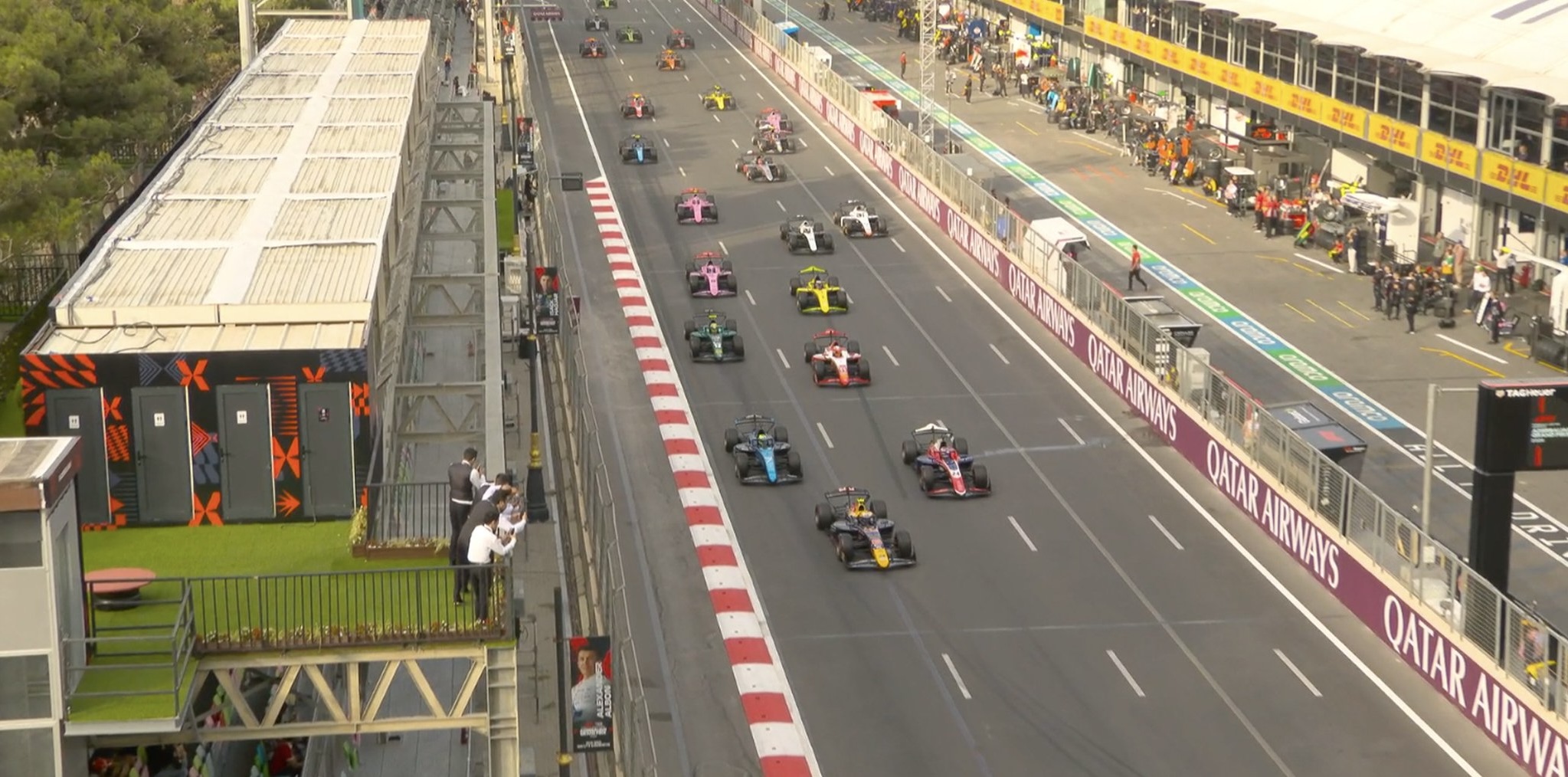
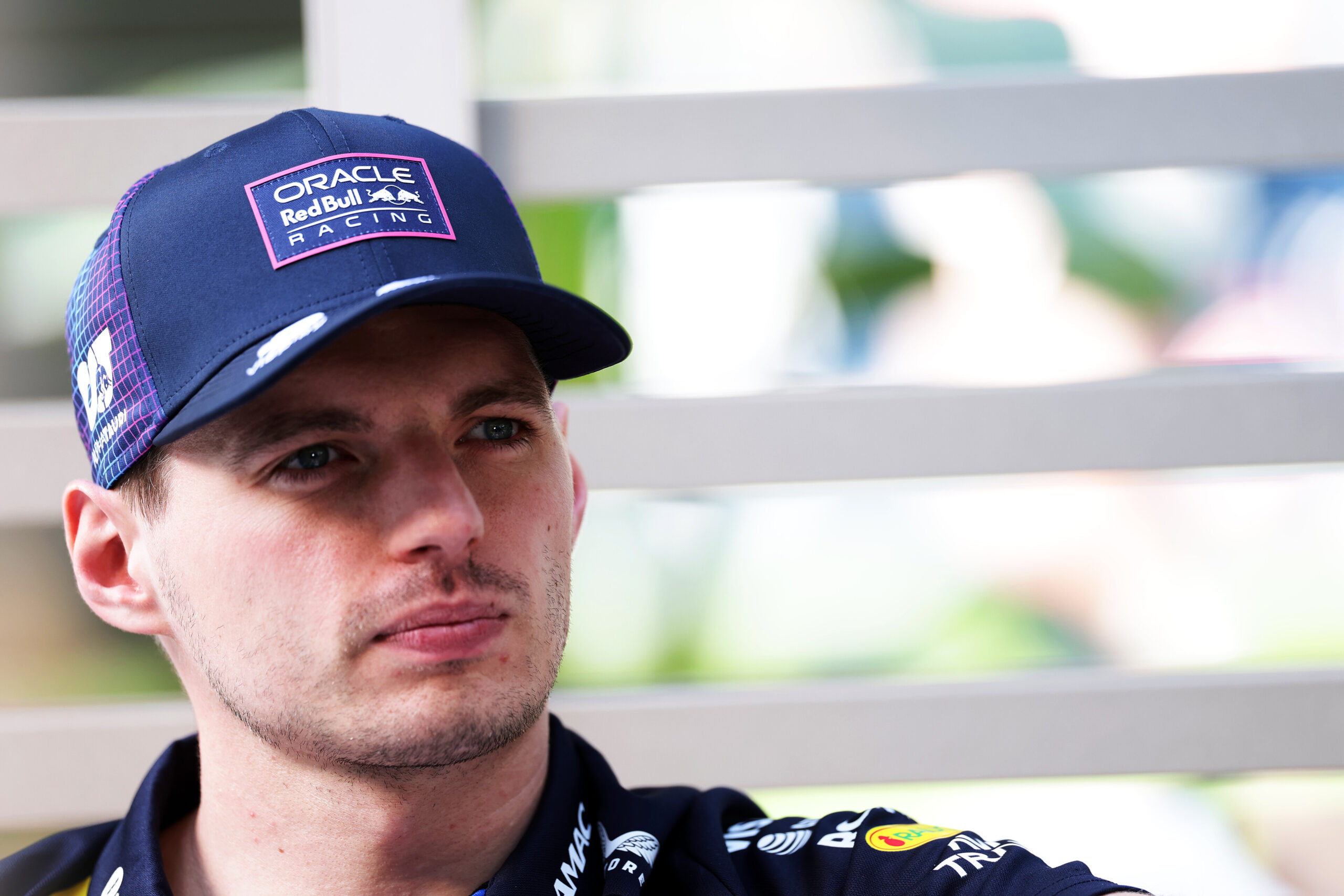
F1 drivers Max Verstappen, Carlos Sainz, and Esteban Ocon have shared their insights on how well the recent changes to the technical regulations mitigated the energy management issues and improved the quality of racing during the 2026 Miami GP weekend.
The introduction of the new power units and chassis has undoubtedly produced more on-track action than in the past few seasons. However, the first three rounds also exposed the sport to major headaches concerning safety, the quintessence of qualifying, the artificial nature of racing, and the diminished input of drivers.
Following a series of talks, the FIA, FOM, the OEMs, the power unit manufacturers, and the F1 teams convened for a follow-up technical meeting on April 20 and arrived at a consensus on the initial changes they would implement at the Miami GP.
The maximum permitted energy recharge per lap was decreased, and the peak super clip power output was raised to allow more flat-out performance and reduce the amount the drivers are required to lift and coast.
The FIA introduced similar measures for the races as well—capping the boost power and limiting full motor deployment in certain areas of the tracks to diminish the risks that massive speed differentials between cars pose.
Verstappen still critical of the 2026 F1 regulations despite changes introduced in Miami
Speaking in the print media pen after his P5 finish at the Miami GP, Max Verstappen revealed whether he enjoyed the racing the revised regulations had produced during the fourth round of the 2026 F1 season.
Acknowledging that he found the RB22 more comfortable to drive, the Dutchman made it abundantly clear that his unfavourable opinion of the current ruleset has yet to change.
With regard to qualifying, Verstappen emphasised how the quirks of energy management continue to discourage them from taking risks over a single lap since slower yet consistent driving leads to faster lap times.
Proclaiming that the new rules are inherently antithetical to the traditional flat-out approach, the four-time world champion also underlined how the complex deployment algorithms still penalise the drivers for pushing in the corners.
“I mean, my car drives a bit better. But what I said before about the regulations, it’s still the same.
“I mean, you still need to go a bit slower in places to go faster [in qualifying], so it’s still not how I would like to see it. It’s still punishing; the faster you go through corners, then you go slower on the next straight. That’s not what it should be about.
“At least my car is working a bit nicer, so it’s a bit less stressful to drive.”
Sainz thinks further revisions are required to improve qualifying
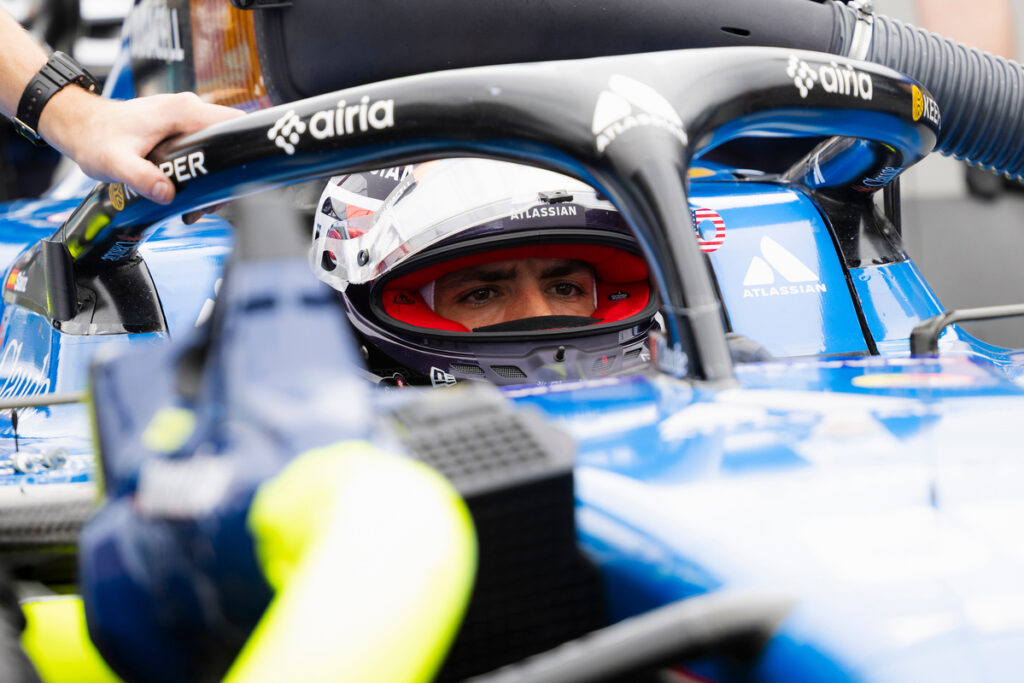
While he surmised that the 2026 technical regulations have a long way to go before they can facilitate more consistent flat-out driving, Carlos Sainz stated post-race in Miami that he would only provide constructive feedback going forward to help F1 restore its previous high standard in qualifying.
The Williams driver reckoned that the racing at the Miami International Autodrome was an improvement over that in the last three rounds. Moreover, the GPDA co-director was rather appreciative of the FIA for moving the 2026 Miami GP forward by three hours and heeding the drivers’ concerns over the use of the intermediate tyres in inclement weather conditions.
Sainz also commented that a few power unit manufacturers still need to grasp how the subpar driving standards in qualifying hurt the image of the sport and that certain compromises are required on their part to introduce more consequential changes to the current ruleset.
“I think for quali, [there’s] still a long way to go. As I said, I’m not going to criticise it anymore. I’m just trying to be productive, to keep insisting that this is not good enough for F1.
“But it seems like at least the racing was a bit better. Happy with the steps they did also to bring the race forward. And I think the FIA this weekend, also listening to the weather concerns with the intermediate tyres, you cannot fault them. I think they’ve done a brilliant job. And now everyone seems to be working in the same direction.
“I think we just need to convince a few manufacturers that this is still not the standards that F1 should have in quali. And we need to keep improving.”
Miami not the right track to showcase the merits of the latest changes to the 2026 F1 regulations
Asked to shed more light on the effect of the FIA’s changes in both qualifying and the race at the Miami GP, Haas F1 driver Esteban Ocon admitted in the print media pen that he is still not satisfied with the latest iteration of the 2026 regulations.
“It’s still not great, unfortunately. There are some better stuff, but it’s still very far from what we should be seeing.”
In terms of whether Miami was the right circuit to assess the merits of the modified energy management requirements, the Frenchman claimed that the ruleset has certainly undergone an improvement. At the same time, he also hoped that other tracks on the F1 calendar would highlight the positives of the new guidelines in a far more discernible manner.
“It did improve it, you know, this regulation, of course. I hope that it will be a step better in the other circuit.”
Ocon details why the tweaks are not good enough yet
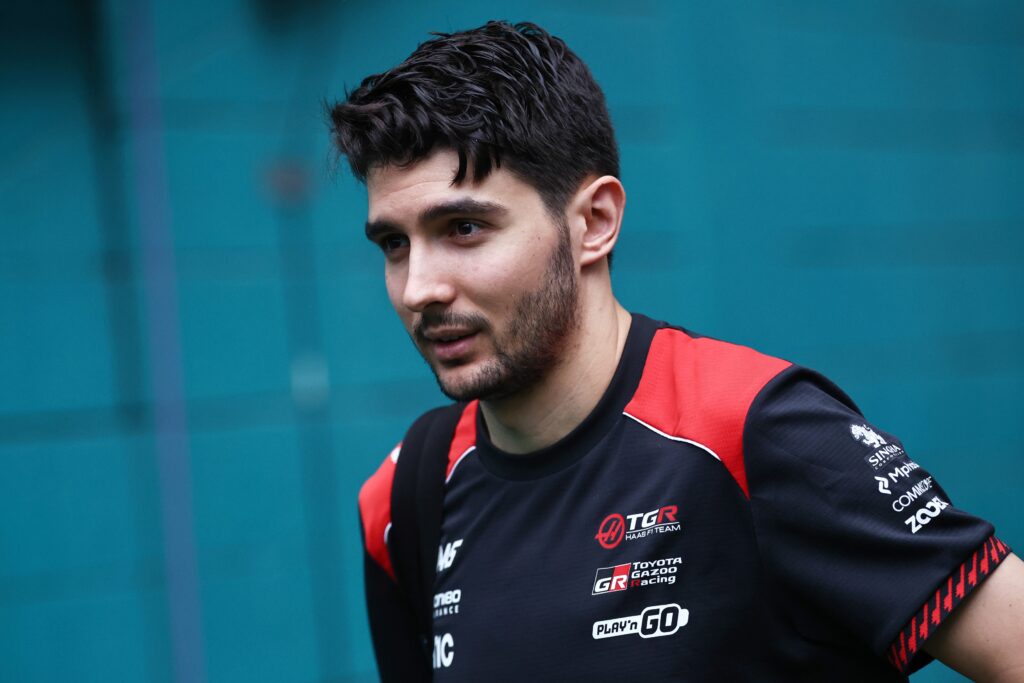
Explaining how the new rules don’t gel with energy-starved circuits that are fast and flowing with few heavy braking zones, Esteban Ocon remarked that the sport would need more time to completely resolve the current limitations that are plaguing the drivers and the teams.
Although he conceded that the first round of changes is not yet adequate, the one-time race winner expressed relief that F1 and its shareholders are at least moving in the right direction when it comes to reforming the contentious 2026 technical regulations.
“But the combination of high speed, the problem is that you can’t drive the way you want.
“You need to over-push the first part to not go on throttle for the second one, while it would be more important to prepare, for example, 4, get a good minimum into 5 with some throttle, and keep the minimum speed high, which you can’t really do right now.
“So, I think if we went back to Suzuka, it would still be that same kind of issue. We still can’t warm up the tyres, for example, in the formation lap as much as we can, because we can’t use the battery.
“There’s a lot of little things that are still quite difficult to manage, and probably that we will fix later on. It’s the first iteration, went in the good direction. It’s not worse, which is positive. Now it’s still not enough.”