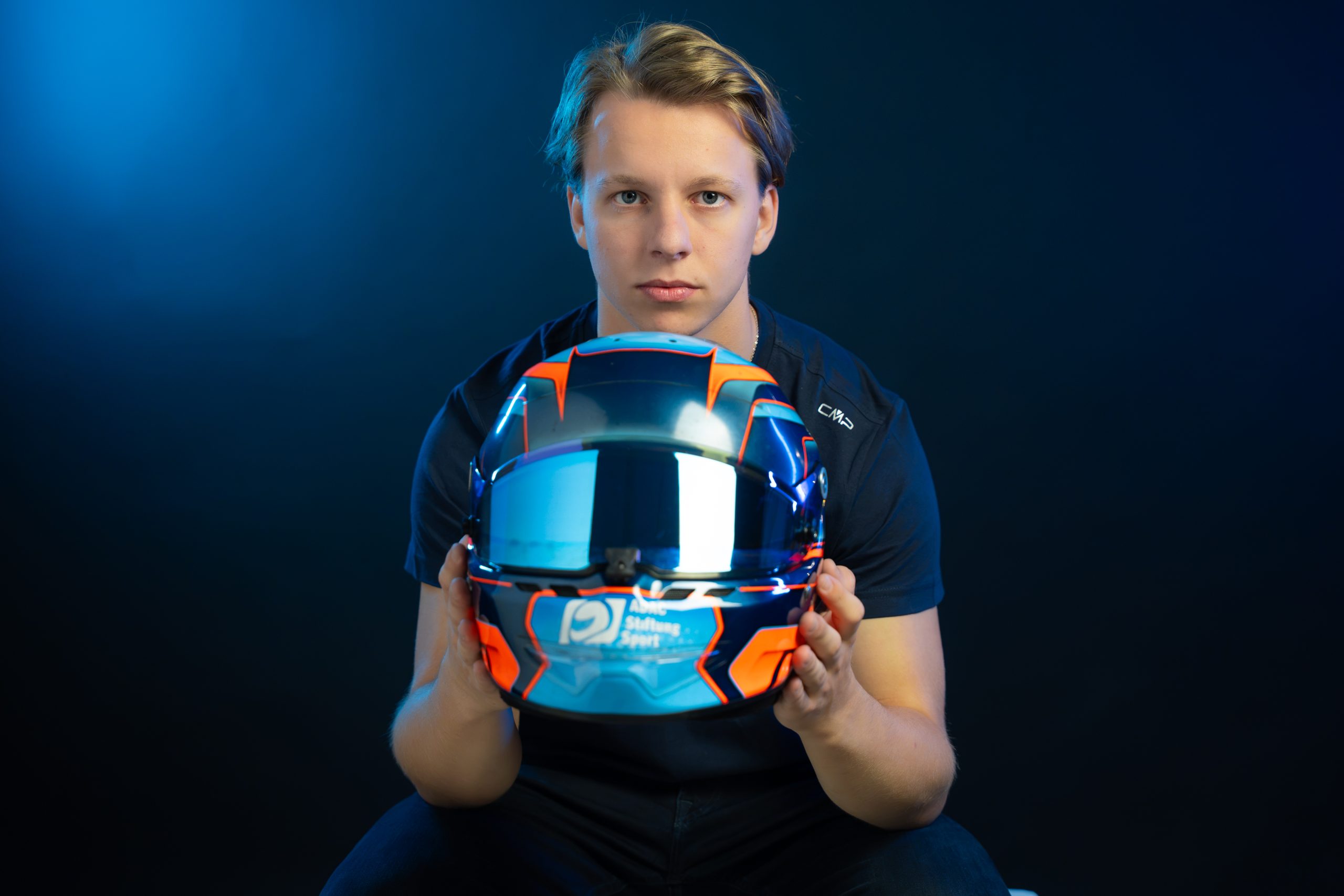
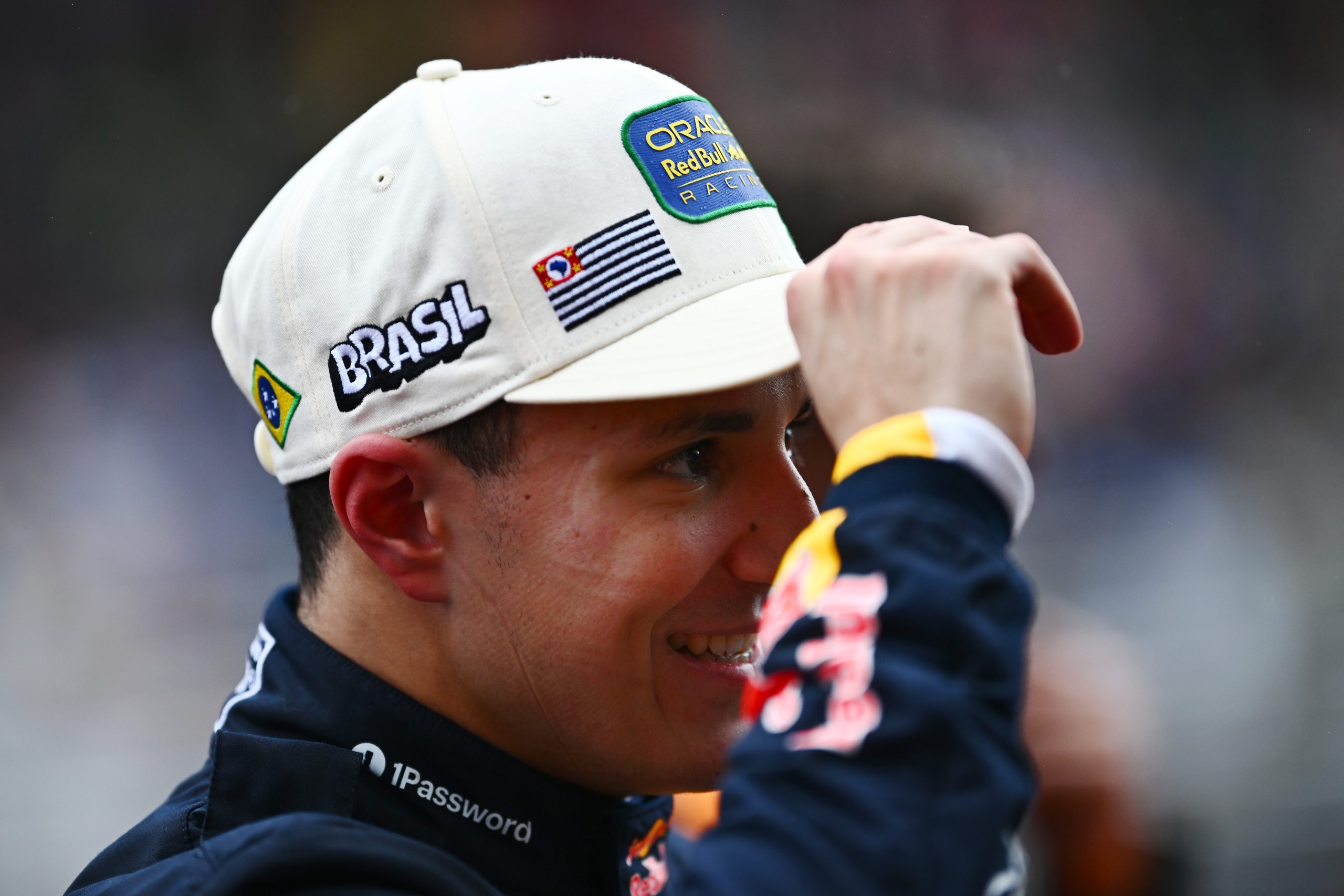
Isack Hadjar believes a driver’s ability, rather than the generation of F1 machinery, remains the biggest factor in determining how quickly a rookie F2 driver adapts to F1 in 2026.
With a new generation of drivers continuing to make an immediate impression in F1, the question of whether modern machinery and the increased use of simulators have made the transition from junior categories easier has become increasingly relevant.
Kimi Antonelli’s emergence as a World Champion this season has further highlighted the speed at which young drivers can establish themselves at the highest level. He finished 6th in his single F2 campaign two seasons ago.
However, Hadjar, who finished runner-up to Bortoleto in the 2024 Formula 2 Championship, believes the ability to adapt quickly has always been a characteristic of the very best drivers.
“If you’re good, you’re good,” Hadjar explained.
The Red Bull driver pointed to Fernando Alonso and Lewis Hamilton as examples of drivers who demonstrated their ability from the outset, highlighting Hamilton’s impressive rookie campaign as evidence that exceptional talent has always translated into immediate results.
“If you have the ability, it doesn’t really matter the car,” he added.
Good drivers demonstrate their potential through the junior categories
Hadjar acknowledged that the overall standard of junior categories has potentially improved compared to previous generations, with the competitiveness and quality of drivers making it increasingly difficult to stand out.
“I think what we see, compared to probably 20, 30 years ago, is the amount of drivers that adapt quickly. I think just the quality and the competitiveness you see in junior categories maybe is a bit higher, which is why the overall level maybe is a bit improved.”
Despite the advances in technology and simulator preparation, Hadjar maintained that talented drivers would have always found a way to demonstrate their potential.
“I believe that back in the days, if you were good, it showed straight away.”
Hadjar dismisses added significance of F2 runner-up finish
With Antonelli now a World Champion, Hadjar was also asked whether his former rival’s success gave additional significance to his own runner-up finish in the 2024 Formula 2 Championship.
The Frenchman was quick to dismiss the suggestion, arguing that championship positions in junior categories do not necessarily reflect a driver’s true ability or potential.
Instead, Hadjar believes the more important consideration is what a driver demonstrates throughout a season, particularly their ability to extract the maximum from the machinery available to them and contribute to their team’s development.
“No. No, because F2, it’s not about the results,” he said.
“So, the goal is, what do you see in the driver that’s in your junior programme? What do you see in him? What is he doing in his team to make the car better? How is he extracting the most of the car he’s given?”
Hadjar also highlighted the unpredictable nature of F2, where reliability problems and other circumstances can significantly influence championship outcomes.
“We all know in F2, there’s a lot happening, reliability issues and stuff. It’s not always the most fair world.”
His own journey through the junior categories provides an example of why he believes results alone should not determine a driver’s future.
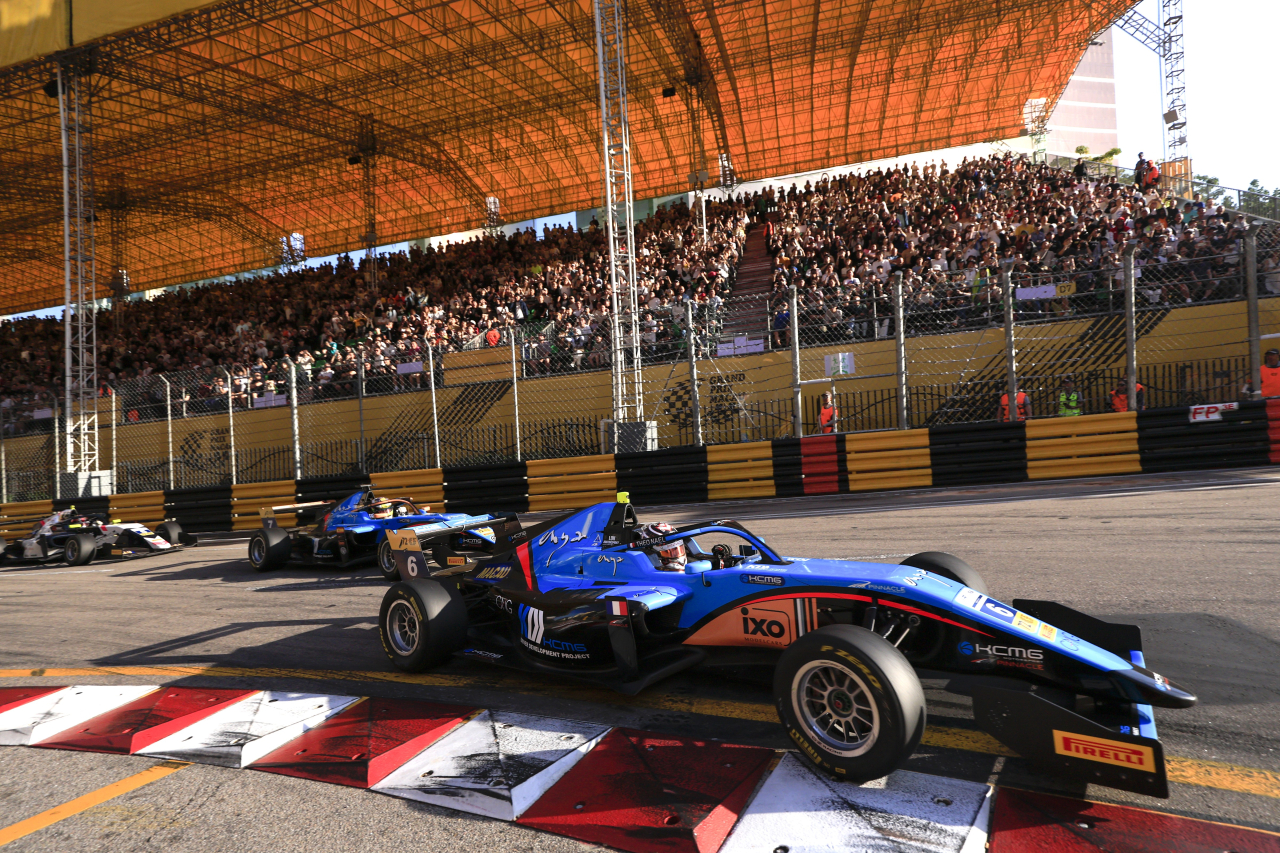
Hadjar finished 14th in his first Formula 2 campaign in 2023, before improving to second the following season. Despite his initial struggles, he had already attracted the attention of Red Bull’s driver development programme, with Helmut Marko recognising his potential.
“I got very lucky with Helmut. My first year in F2, I was P14 and I’m in Red Bull today, so it didn’t mean anything, no. So you need professionals.”