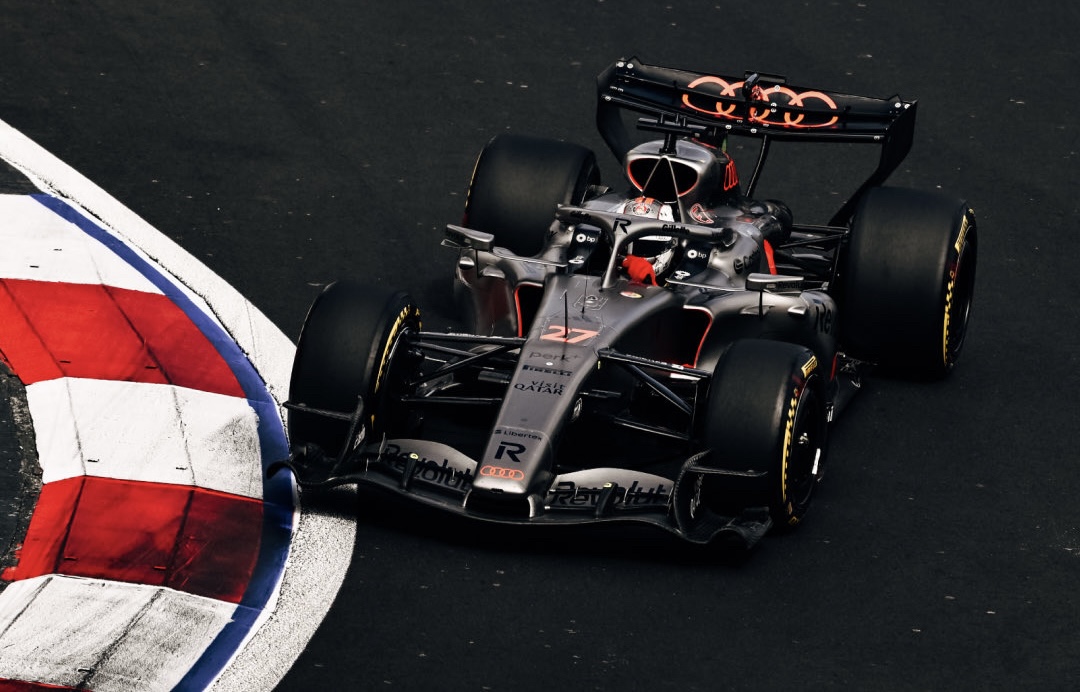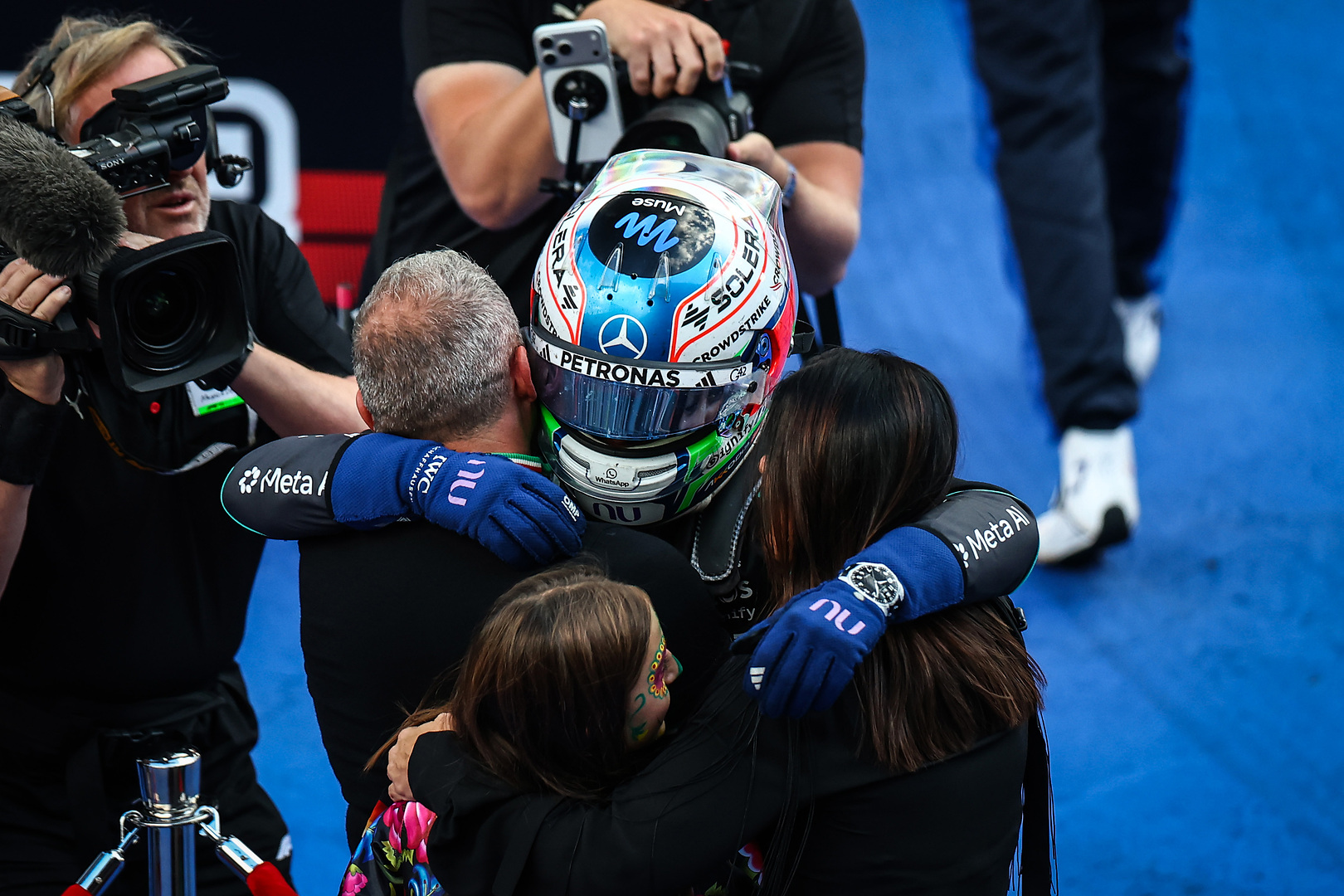
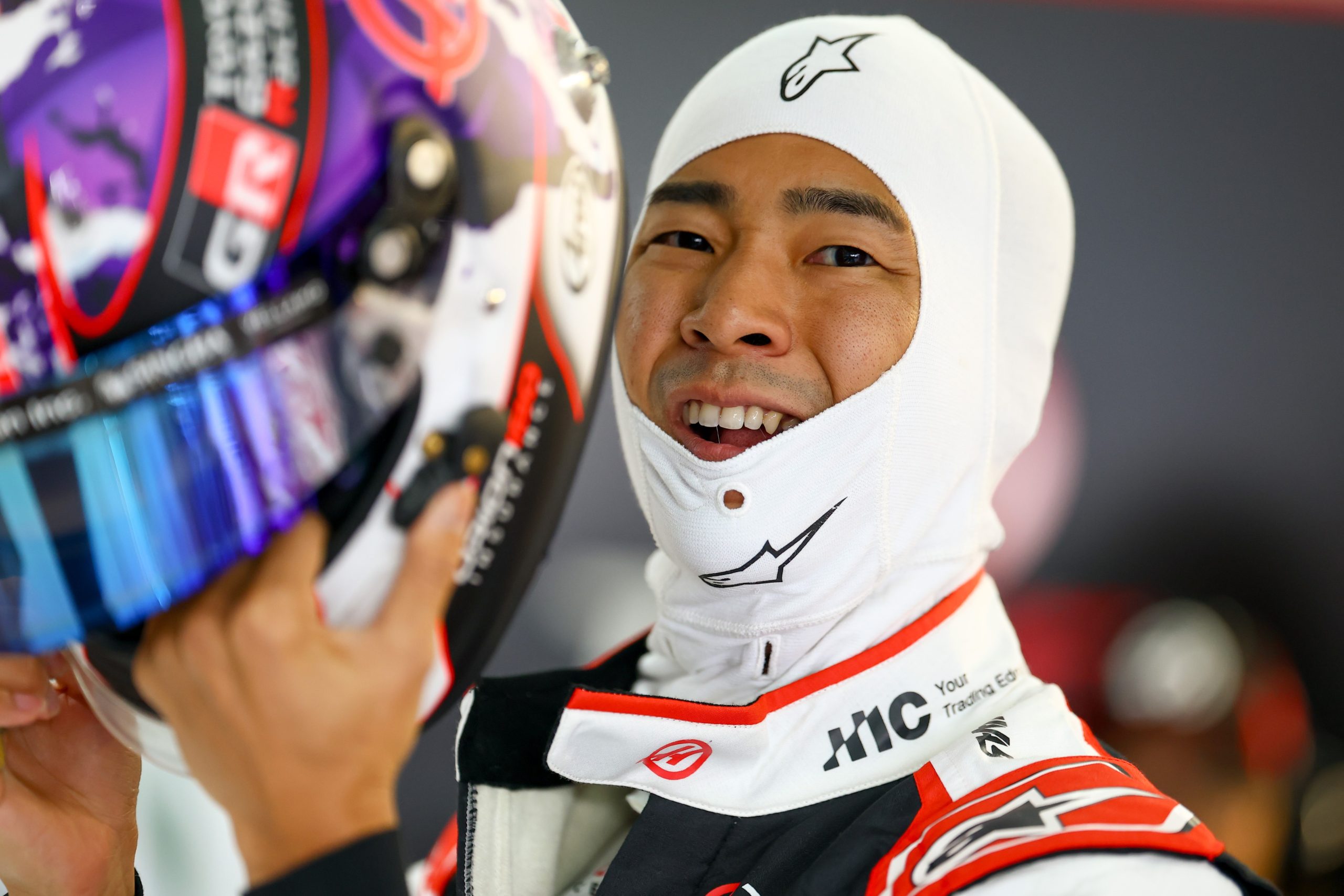
A delighted Ryō Hirakawa, who was promoted into the points on his F1 debut, reflected on how his race unfolded and the challenges of pivoting from a casual practice role to a competitive high-stakes Grand Prix weekend after taking the chequered flag at the 2026 Mexico City GP.
How Hirakawa’s race went
Having already taken part in Free Practice 1 as a designated ‘rookie’ driver, Hirakawa received the unexpected yet much-desired call-up to Haas and replaced Esteban Ocon at the American outfit on Saturday morning.
With another hour of practice under his belt, the Japanese driver managed to set the nineteenth-fastest time on his F1 qualifying debut. However, the disqualification of Liam Lawson meant he lined up in P18 on the grid the next day.
Hirakawa made his maiden Grand Prix getaway at the Autódromo Hermanos Rodríguez on medium tyres, gained a place on the opening lap, and then battled against the Racing Bulls of Lawson. He made his first pit stop at the end of Lap 35 and switched to the softest compound.
The suspension failure of Valtteri Bottas initially triggered a Safety Car on Lap 45, and the 32-year-old headed into the pits for a second time. However, race control then red-flagged the session, and he took the standing restart from P17 on red-walled tyres.
Hirakawa pitted again for a used set of softs on Lap 59 during a Safety Car period caused by a collision between Arvid Lindblad and Oscar Piastri. He restarted from fifteenth and passed both Carlos Sainz and Alex Albon in the closing laps of the race.
Although he finished P13 on the track, post-race time penalties for Piastri, Pierre Gasly, and Franco Colapinto promoted Hirakawa to tenth place, earning a championship point on his F1 debut.
Hirakawa on how he performed on his F1 debut at the Mexico City GP
Speaking in the print media pen before the post-race penalties came through, Ryō Hirakawa discussed his performance and how he had tackled the initial laps of the 2026 Mexico City GP. He admitted that he deliberately held back early in the race, wanting to avoid contact and make sure he finished.
The Hiroshima native also drew attention to the insights gained on the track from the drivers ahead and how he became more confident as the race progressed and made two crucial overtakes after the final restart.
“I think it was good. Maybe at the beginning I was a little bit overwhelming with the others. Maybe I had a good start, but I really didn’t want to make any contact because I wanted to finish [all] our laps.
“This made me a bit bad positioning, but then after that I was staying behind cars and trying to learn. Maybe at the beginning I was a little bit slow compared to the others, but I kept trying to learn from them, staying behind.
“Then I think after mid, maybe mid to end of the race, I had more confidence. And especially at the end, I passed two cars after the Safety Car restart. So, we’re really happy to finish in high like that.”
Hirakawa also shared his thoughts on how intense the opening laps of the race were and what he took into account as the five red lights went out.
“Yeah, I mean, I have nothing to compare with, but going to Turn 1 is so long. You think about a lot of braking points, the cars left and right and front and rear. It was really tricky, but I managed well.”
The physical and mental demands of competing in F1
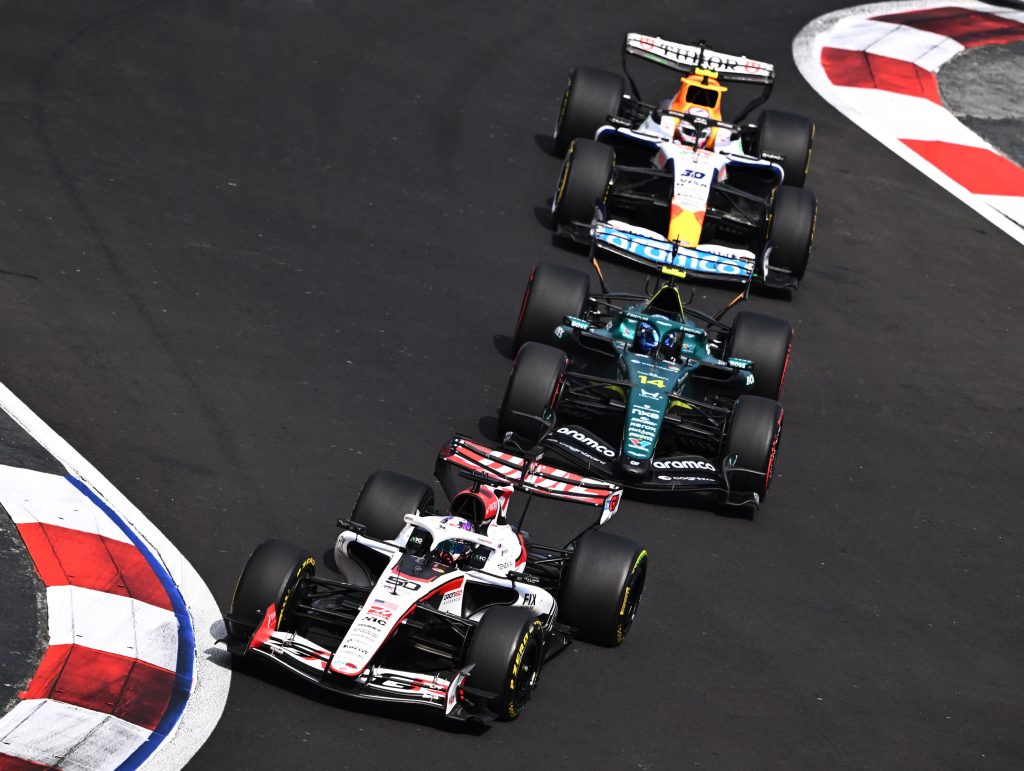
Furthermore, Ryō Hirakawa weighed in on how tricky overtaking was at the Autódromo Hermanos Rodríguez under the new technical regulations.
“Yeah, I don’t know how to compare to the other track. But even if you have overtake [mode], you have a speed threshold. So, it’s difficult to make a bold move, especially when you are in [a] train.
“If the car in front loses the overtake [mode], then you can make a move. So, I was always waiting for that moment.”
Asked if completing 71 laps at the Mexico City GP felt more physically straining than competing in the 24 Hours of Le Mans, Hirakawa didn’t dig into the details and simply said, “It’s different.”
As to whether he was ready on such short notice, the Japanese driver responded, “I mean physically, no problem; I think this is how it is from an endurance man.”
With regard to how much of an emotional rollercoaster the race weekend was on account of the unforeseen promotion to Haas, Hirakawa—who has acted as a reserve driver for the squad since 2025—stated that he had always been prepared to step up.
“I was always ready for it, because the reason why I’m here is to be ready for it. But when I heard the news, I was a bit of shaking, but soon after, I did my job.”
Hirakawa on whether he would race for Haas in Brazil and the support of Toyota ahead of Mexico City GP debut
Haas have yet to confirm their driver line-up for the twentieth round in Brazil, with Ryō Hirakawa originally scheduled to compete for Toyota in the World Endurance Championship season finale at Monza.
In terms of whether he would compete in WEC in the coming weekend or drive for Haas once again at Interlagos, the 2-time World Endurance Champion admitted he just wants to savour the moment in Mexico City for what might prove to be his only F1 start.
“I have no idea yet. At the moment, I just need to enjoy this moment.”
As the title sponsor for Haas starting in the 2026 F1 season, Toyota Gazoo Racing provides design, technical, and manufacturing services to the Kannapolis-based squad.
When asked if he has received any feedback from Toyota, Hirakawa revealed that the personnel, including Chairman Akio Toyoda, had been really supportive ahead of his competitive F1 debut at the 2026 Mexico City GP.
“I had a lot of messages. Especially the big boss, Morizo-san, had big messages. They all supported.”