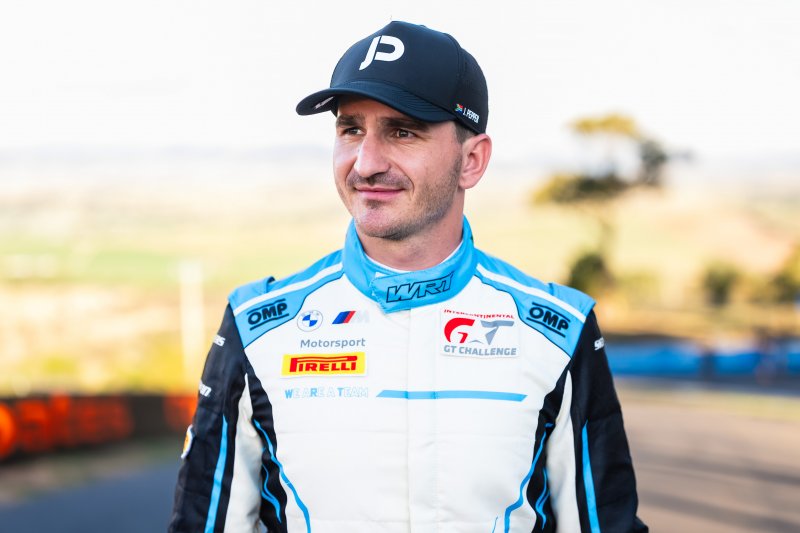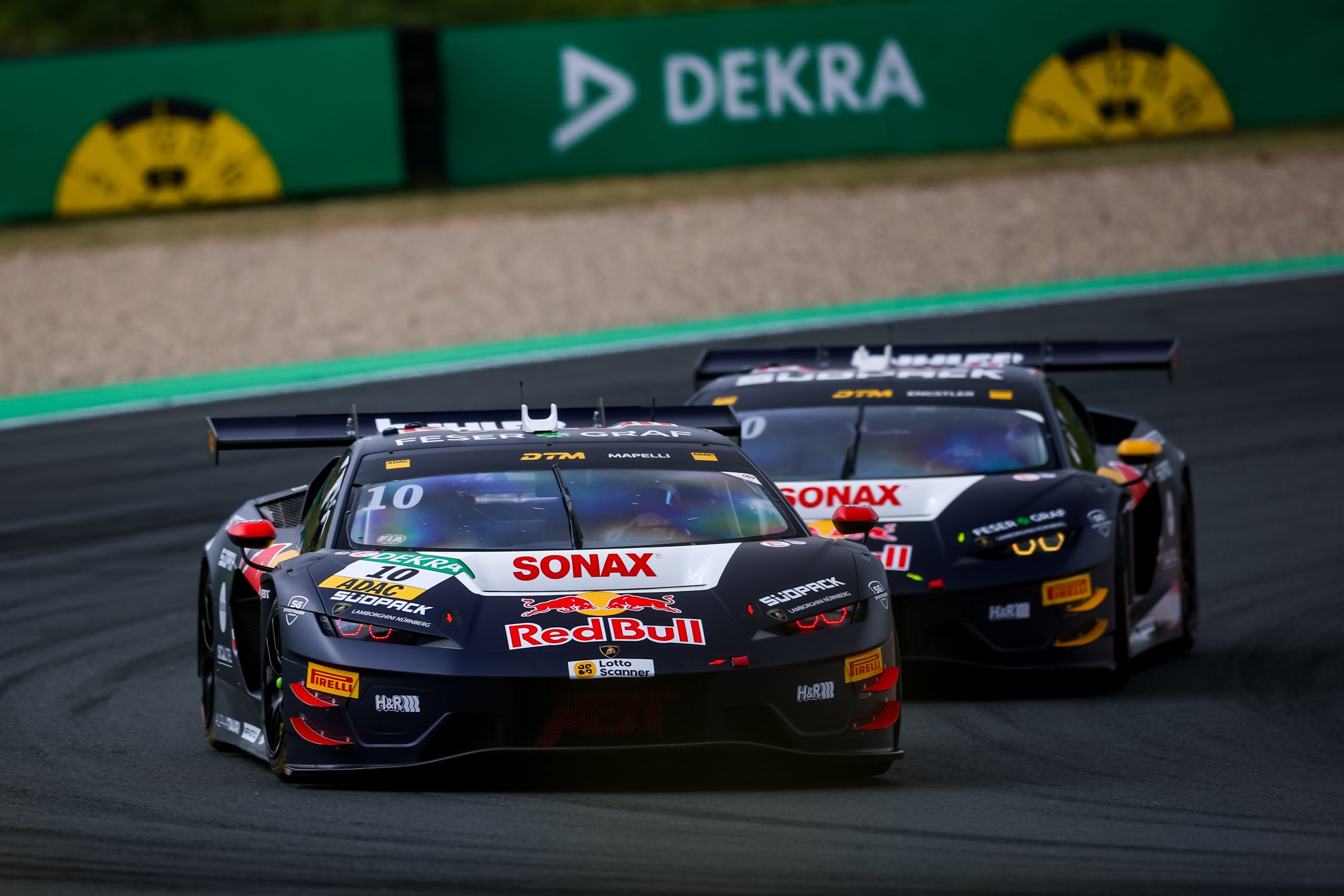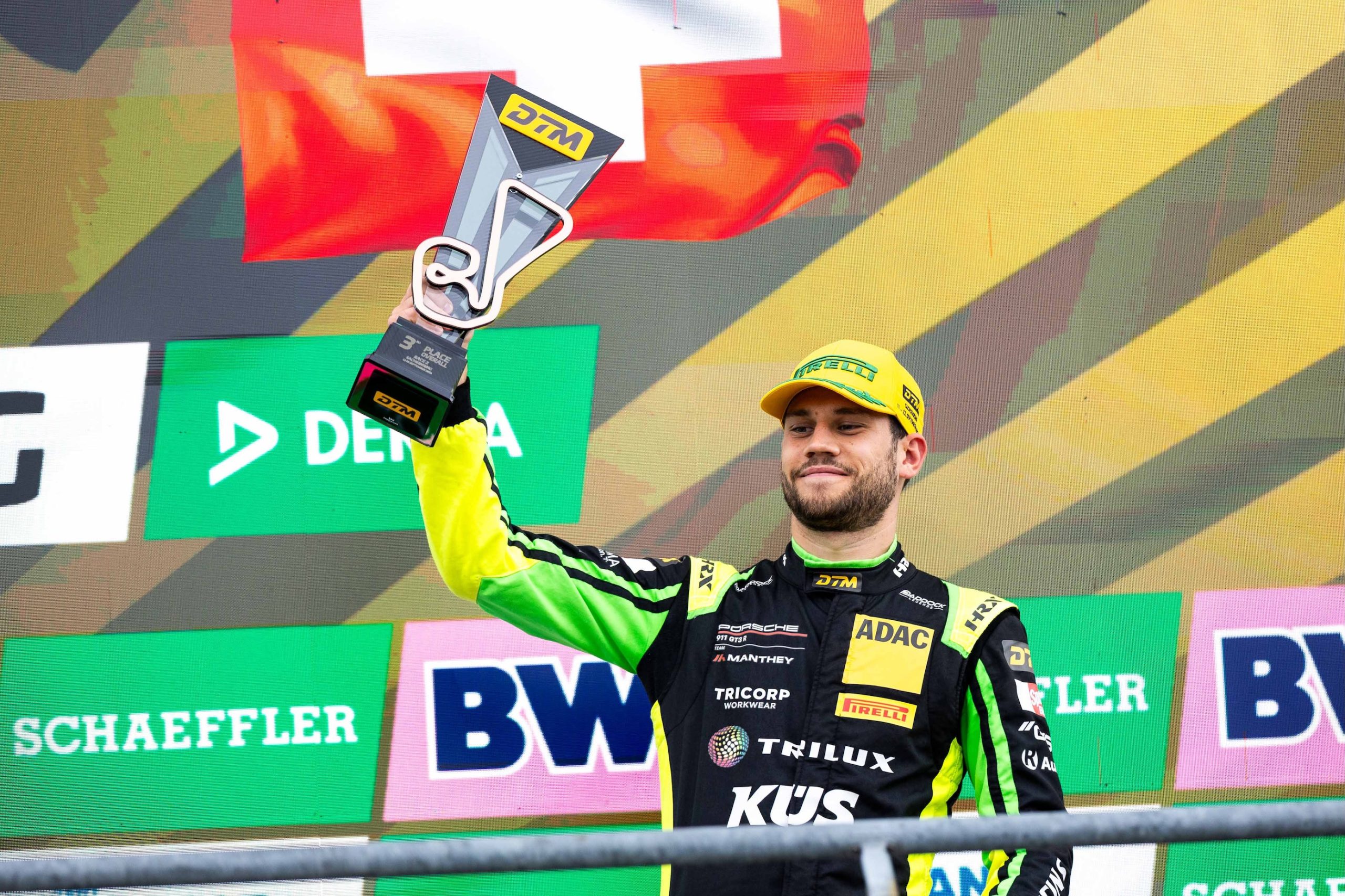
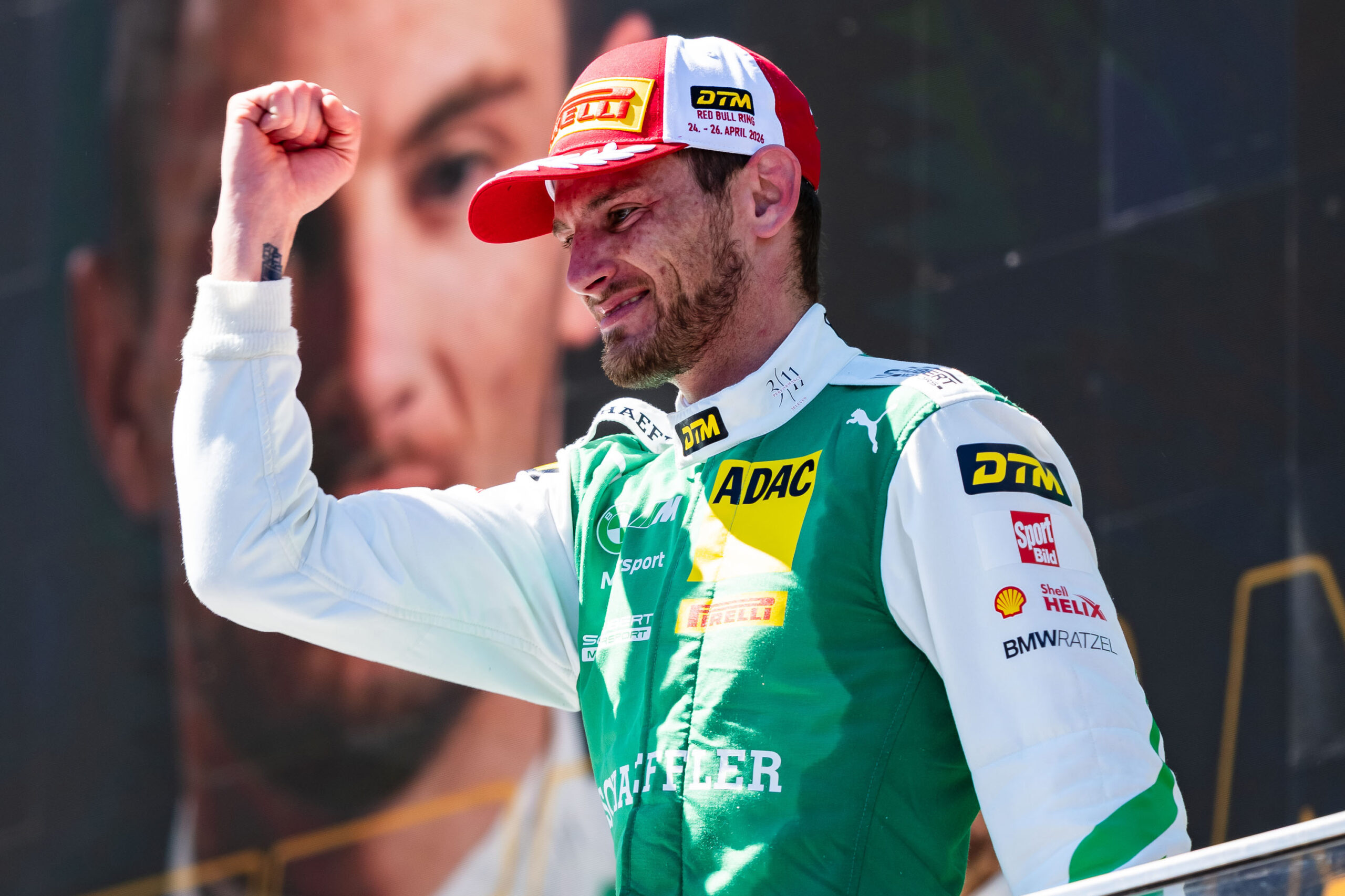
Marco Wittmann believes the DTM has made several positive changes in recent years, despite the significant differences between the current GT3 cars and the machinery used during the Class One era.
The championship has transformed both on and off the track. While the change in regulations introduced a different type of car and driving experience, the DTM has also increased its focus on attracting spectators, improving fan engagement and creating an entertaining race weekend for families.
Speaking exclusively to Pit Debrief ahead of the 2026 DTM season, Wittmann reflected on the development of the championship. The two-time DTM champion discussed his admiration for the Class One cars, the benefits of attracting more manufacturers and the effect that growing crowds have on the drivers.
Wittmann remembers the ‘absolutely brilliant’ Class One era
Wittmann experienced the DTM under the Class One regulations before the championship moved towards GT3 machinery. Although the modern cars offer a different style of racing, he continues to remember the previous generation fondly. The German described the Class One machinery as particularly enjoyable from a driver’s perspective. He also suggested that other competitors from that period would share his appreciation for the cars.
“Well, I don’t think we need to discuss the Class One era. I mean, it was an absolutely brilliant time. The race cars were incredibly cool. And I reckon any driver who raced back then would say the same. From a driving perspective, they were just incredibly cool cars. And of course, a GT3 car handles differently.“
His comments show that he does not consider the two types of car directly comparable. The move to GT3 regulations changed the demands placed on the drivers, while the cars provide a different feeling behind the wheel. However, Wittmann did not allow his admiration for the Class One period to overshadow his assessment of the modern DTM championship. Instead, he recognised that the current regulations have brought their own advantages and helped the DTM develop in other important areas.
The Class One era remains a memorable chapter in Wittmann’s career, particularly because of the performance and character of the cars. Nevertheless, he believes the DTM has made several correct decisions since moving away from that format.
DTM increases its focus on the spectator experience
Wittmann praised the championship’s efforts to improve its reach and strengthen its relationship with supporters. He believes the DTM has worked hard to offer spectators more than the action taking place on the circuit. Race weekends now include activities that cater to different groups of visitors. While committed motorsport fans attend primarily for the racing, families and younger spectators can also enjoy attractions away from the grandstands.
Wittmann highlighted the fan zone and activities for children as examples of how the DTM has developed its events. In his view, those additions have helped make race weekends more accessible and enjoyable for a broader audience.
“But I think the DTM has done a lot of things right in recent years when it comes to, as you say, reach and fan engagement – areas where they’ve simply done a lot. Especially for the fans, whether it’s the fan zone or a ball pit for the kids. I think that’s also reflected in the steadily rising attendance figures at the events.“
Improving the experience away from the track can also help the championship attract new supporters. A child who enjoys the activities in the fan zone may begin to form a connection with the cars, drivers or teams. The DTM can then turn a first visit into a longer-lasting interest in the series. Wittmann sees the growing attendance figures as evidence that the championship’s approach has worked. More spectators create a stronger atmosphere and help the events feel increasingly significant.
GT3 regulations attract a wider range of manufacturers
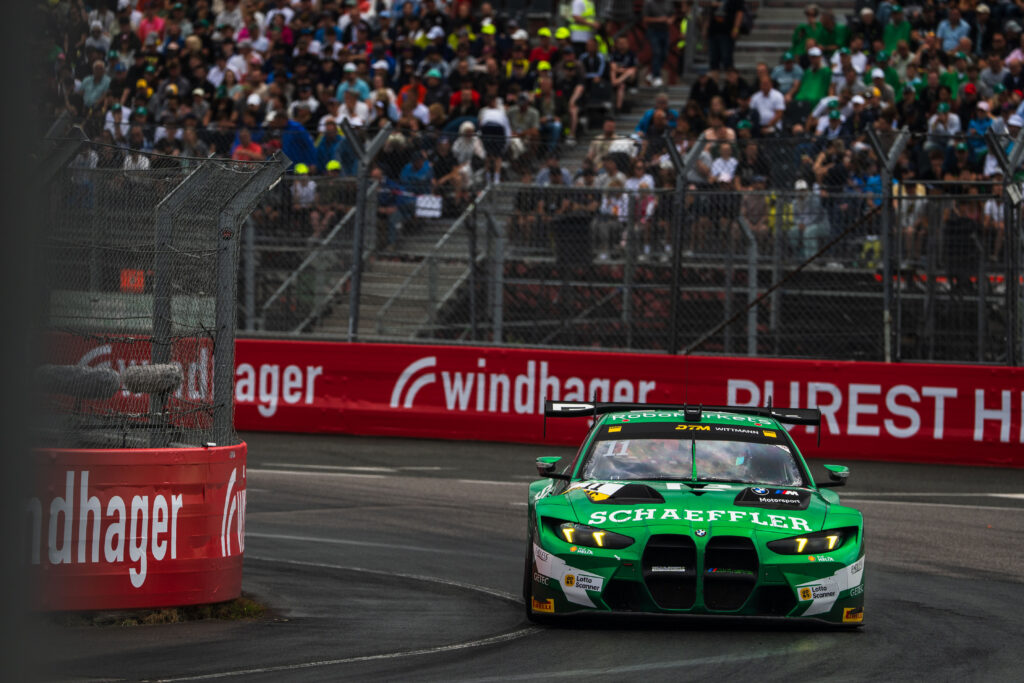
The GT3 regulations have also allowed the DTM to bring more manufacturers onto the grid. Wittmann identified that variety as one of the key strengths of the championship’s current format.
A wider selection of brands gives supporters more opportunities to identify with the cars competing on track. Some fans follow an individual driver or team, while others support a manufacturer because of its history, road cars or involvement in other forms of motorsport. Wittmann believes that this manufacturer diversity helps the DTM appeal to different groups of spectators. Each brand brings its own identity and established fan base to the championship.
“That’s why I think they’ve done a lot right in this respect. And of course, the GT3 regulations offer the advantage of simply having more manufacturers back in the DTM. I believe we’re racing with eight manufacturers this year. That’s naturally something that attracts spectators too, because you simply have different fans who might then identify with the various brands. And that’s certainly part of the reason for the growth in spectator numbers.“
The variety also adds another element to the competition. Different manufacturers compete against one another with recognisable designs and established motorsport identities, giving fans several possible reasons to follow the championship.
For the DTM, attracting multiple manufacturers strengthens both the grid and the wider appeal of the series. It allows the championship to reach supporters who may already have a strong connection to one of the brands. Wittmann directly linked that manufacturer presence to the rise in attendance. Although fan activities and the quality of the racing also contribute to the championship’s popularity, he believes brand loyalty plays an important role in bringing people to the circuits.
Different eras bring different advantages
Wittmann’s assessment highlights the contrasting strengths of the Class One and GT3 eras in DTM. The former delivered cars that he considered exceptional to drive, while the current regulations allow more manufacturers to participate. Rather than arguing that one period was entirely better than the other, he acknowledged the benefits and limitations of both. The GT3 cars may not provide the same driving experience as the Class One machinery, but they have helped create a more diverse field.
That diversity can also make the championship more accessible to spectators. Fans can choose between several manufacturers, drivers and teams, allowing different groups to find their own connection with the DTM. The current format therefore offers advantages that extend beyond the cockpit. It supports a grid with greater brand variety while complementing the championship’s efforts to increase its reach and improve the spectator experience.
For Wittmann, the DTM’s development involves more than a simple change in technical regulations. The series has also adapted the way it presents its events and interacts with the people attending them.
Drivers notice the growing DTM crowds
The rise in attendance has not gone unnoticed inside the paddock. Drivers may spend most of the weekend focused on their performance, but they can still see and feel the difference when more spectators fill the grandstands. During the exclusive interview, Pit Debrief noted that DTM events appear to become busier each year. Wittmann agreed and explained that the drivers recognise the championship’s growing support.
“Yes, we feel exactly the same way, actually. I mean, we drivers notice that too. And when you’re racing in front of a full crowd, it’s always a great experience anyway. And as I said, we drivers notice that too. A full grandstand is always brilliant.“
Packed grandstands help create a more energetic atmosphere throughout a race weekend. They also provide the drivers with a visible reminder of the interest surrounding the championship.
The crowd can make major moments feel more significant, from the start of a race to an intense battle or a podium celebration. Although drivers must remain focused once they enter the car, they still appreciate competing in front of supporters who have travelled to watch them. Wittmann’s comments also show that stronger fan engagement benefits everyone involved. Spectators receive a more complete experience, while the competitors race in an environment that feels livelier and more rewarding.
Wittmann sees positive momentum ahead of 2026
Wittmann continues to view the Class One era as a special period in the DTM’s history. His enthusiasm for those cars remains clear, particularly when he discusses the experience they provided from behind the wheel. However, he also believes the championship has made progress under its current regulations. The arrival of more manufacturers, the increased focus on families and the development of fan zones have all helped the DTM attract larger crowds.
These elements support one another. Manufacturer diversity gives more supporters a brand to identify with, while improved activities encourage spectators to spend more time at the circuit. Growing attendance then creates a stronger atmosphere for the drivers. Ahead of the 2026 season, Wittmann’s assessment presents a championship that has successfully adapted to major changes. The cars may differ from the Class One machinery he remembers so fondly, but the modern DTM has created new strengths through its manufacturer variety, fan engagement and increasingly full grandstands.