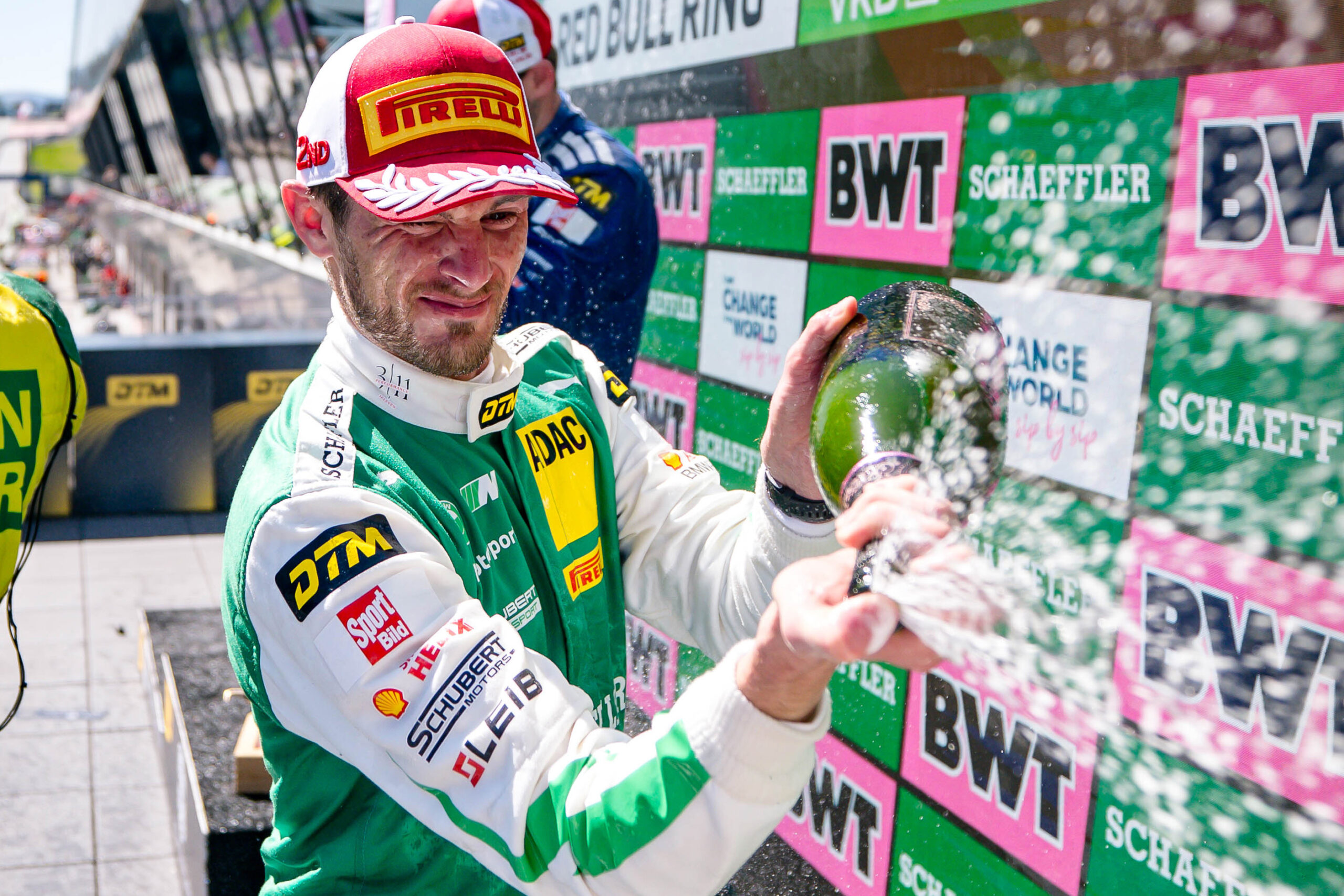
Marco Wittmann headed into the 2026 DTM season with a familiar goal but a new dynamic in the Schubert Motorsport garage following the arrival of a new BMW teammate.
The two-time champion remained part of BMW’s factory line-up, while Kelvin van der Linde joined him as an experienced new teammate. The move created a strong partnership but also added another layer of competition within the team.
Speaking exclusively to Pit Debrief, Wittmann discussed the balance between collaboration and rivalry. He also explained why the DTM remained one of the most demanding championships in motorsport and how consistency could shape a title challenge.
Wittmann expects a healthy rivalry with Van der Linde at BMW in DTM
Wittmann acknowledged that a driver’s closest comparison would always be the person on the other side of the garage. However, he believed teamwork had to come first as BMW worked to improve its overall package. That cooperation became more individual once a race weekend began. Each driver worked with their own engineers and mechanics to adapt the car to their personal requirements.
“Yes, your own team-mate is always a rival, but naturally the first step is to work together to move the team forward. This naturally applies to areas such as car performance and set-up as well. You naturally try to pull in the same direction at first to improve the overall package. Then, of course, at the race weekends themselves, despite all that, everyone works a bit with their own car crew to tailor the car to the needs of the respective driver.”
The DTM’s single-driver sprint format made direct competition between teammates unavoidable. Wittmann had already shared a team with Sheldon van der Linde and René Rast, so he did not expect Kelvin van der Linde’s arrival to change his approach.
“And yes, logically, especially in the DTM with a sprint format and a single-driver car combination, your own team-mate is also a rival. But I’d say it’s healthy competition. I’ve had team-mates in previous years too, whether it was Sheldon [Van der Linde] or Rene [Rast]. And now it’s Kelvin [Van der Linde]. For me, that means, yes, nothing’s changing in that regard for the time being.“
However, he stressed that the rivalry had to remain respectful to protect the atmosphere inside the team. Wittmann remained confident that BMW’s existing relationships would prevent the competition in DTM from becoming disruptive.
“But as I said, I think a healthy battle between teammates is always good. It just has to stay healthy. I think that’s important, especially for the chemistry within the team. But I’m very confident about that, because we also have very good chemistry within BMW among all the works drivers. And so things are actually looking quite positive in that regard as well.”
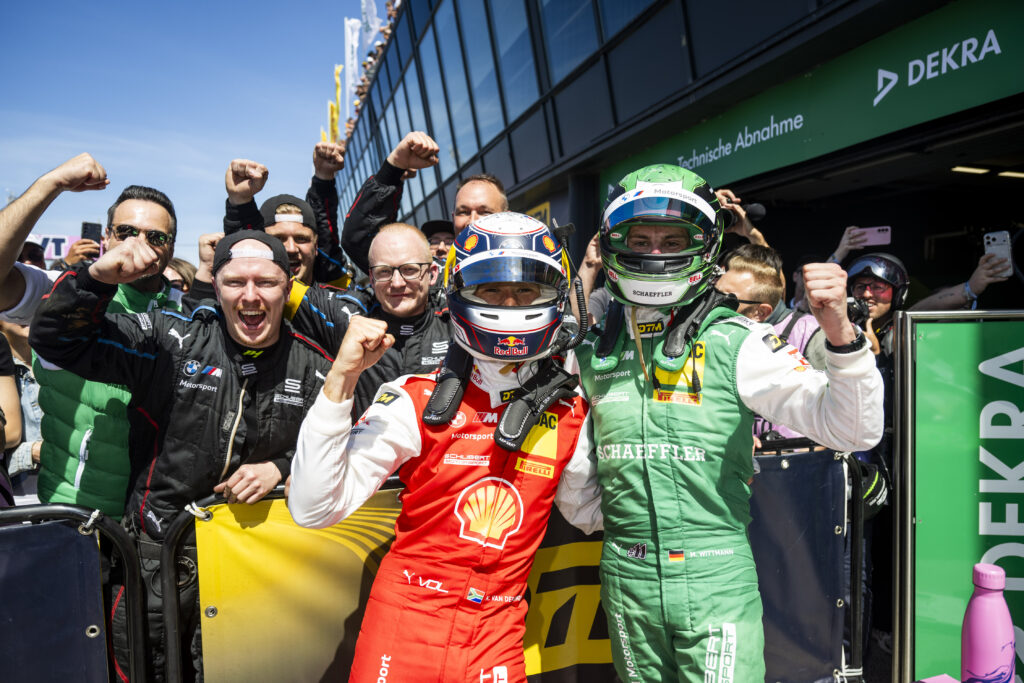
Small mistakes carry major consequences in the DTM
The DTM had established itself as one of the most competitive GT championships in the world. Wittmann believed its format played a central role in creating such a close field.
The championship brought together leading drivers from several manufacturers and teams, leaving little room for error. Qualifying often decided whether a driver could fight at the front or became trapped in the midfield.
Consistency remains central to a DTM title challenge for Wittmann
Drivers also had to judge when to attack and when to protect a strong points finish. Wittmann explained that there was no fixed approach, as every decision depended on the circumstances of the race.
“It really depends on the situation; you can’t just say off the top of your head. It really depends on how the race unfolds and the situation at hand – whether an opportunity to overtake presents itself or not. Perhaps a risky strategy might also open up an opportunity. These are, of course, things you have to decide at very short notice.”
Despite the importance of aggression, Wittmann viewed consistency as one of the foundations of a championship campaign. However, simply collecting points would not be enough. Drivers also needed victories to maximise their returns and establish themselves as genuine title contenders.
“But consistency is certainly a very important factor in the DTM. It’s been the case for many years that consistency is usually the key to being in contention for the title at the end of the season.”
“But you certainly need race wins too to be right at the top, because a race win simply brings in a lot of points.”