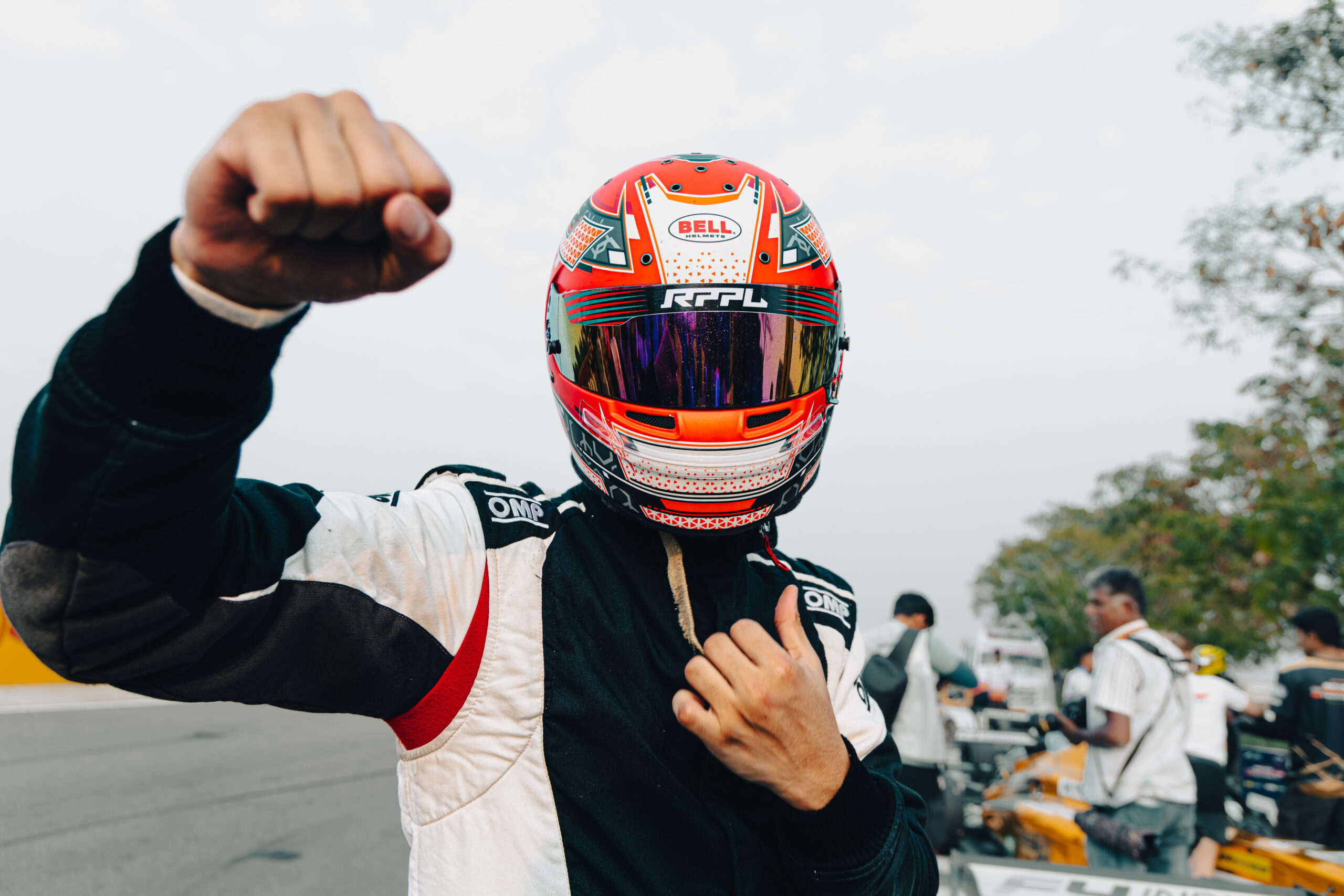
For Shane Chandaria, the transition from karting to Formula 4 (F4) marked a decisive moment in his career. Having already established himself in karting across Kenya and the United Kingdom, stepping into single-seaters introduced a completely new level of complexity. The change extended beyond speed alone; it demanded technical adaptation, mental recalibration, and a deeper understanding of racecraft.
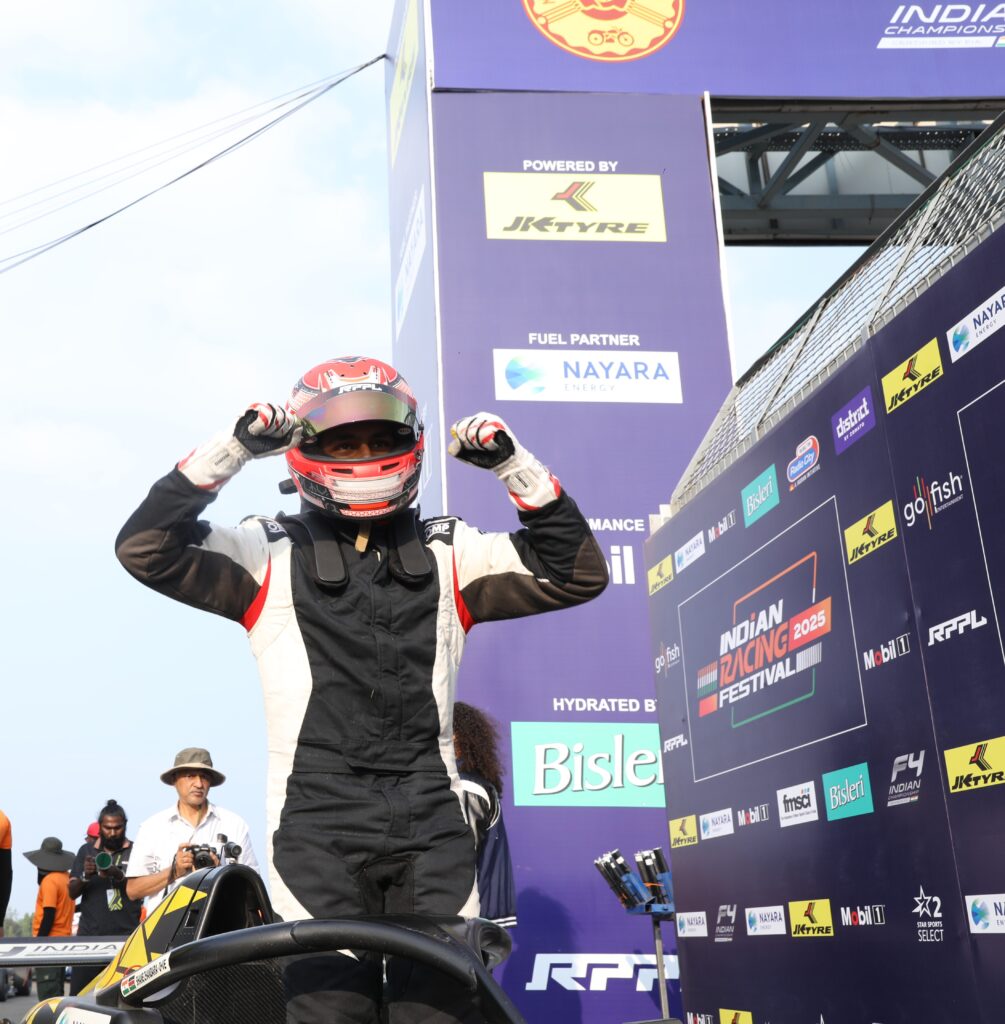
Moreover, the move coincided with his rapid rise through the junior ranks, culminating in his historic 2025 FIA Indian F4 title. However, that success did not come without significant challenges during the early stages of his transition.
Adapting to a completely different machine: Chandaria on the change from karting into F4
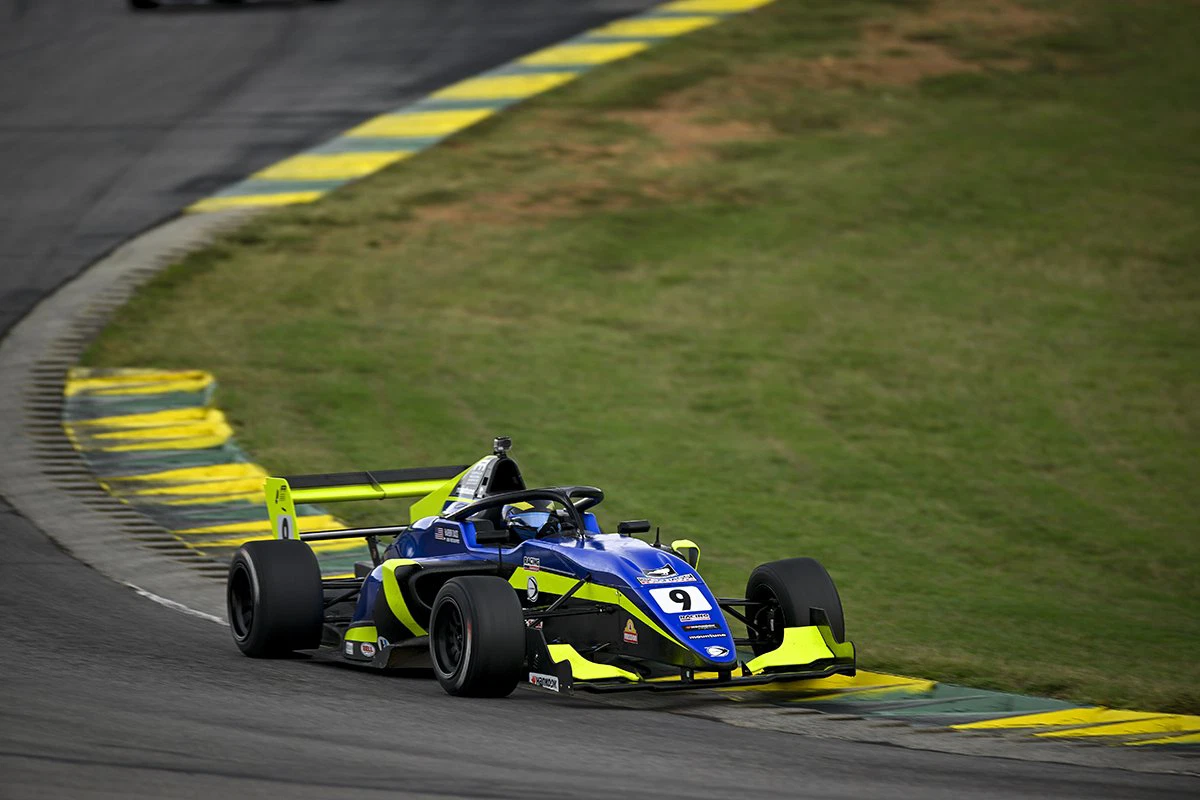
The shift from karts to F4 machinery required Chandaria to rethink his entire approach to driving. While karting had provided a strong foundation, the physical and technical differences between the two disciplines proved substantial.
“I think the biggest thing was just, like, the entire way to drive the car is different, but I was pretty comfortable with that driving style that you need. So the biggest change was just kind of the size of the cars and how racing happens.”
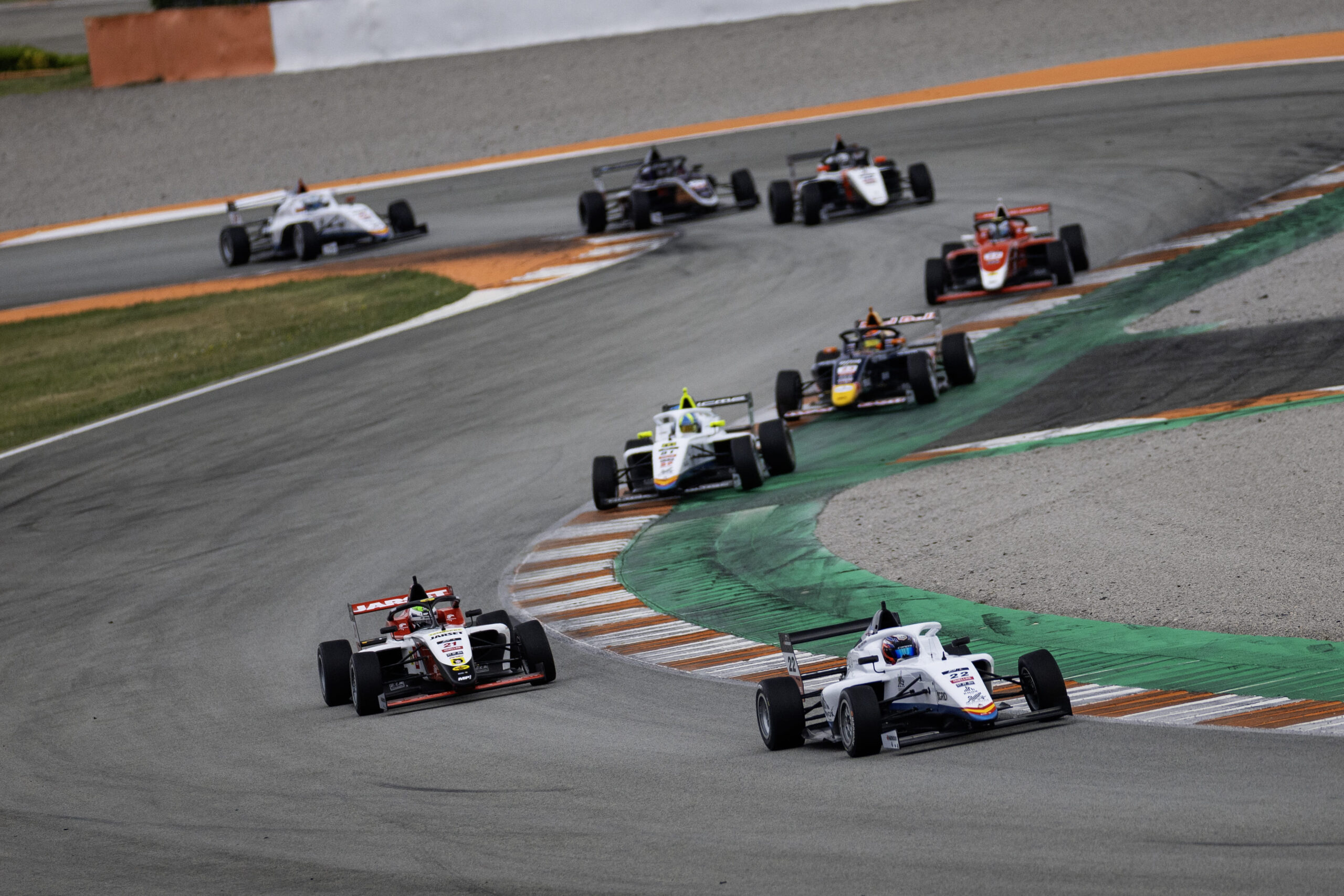
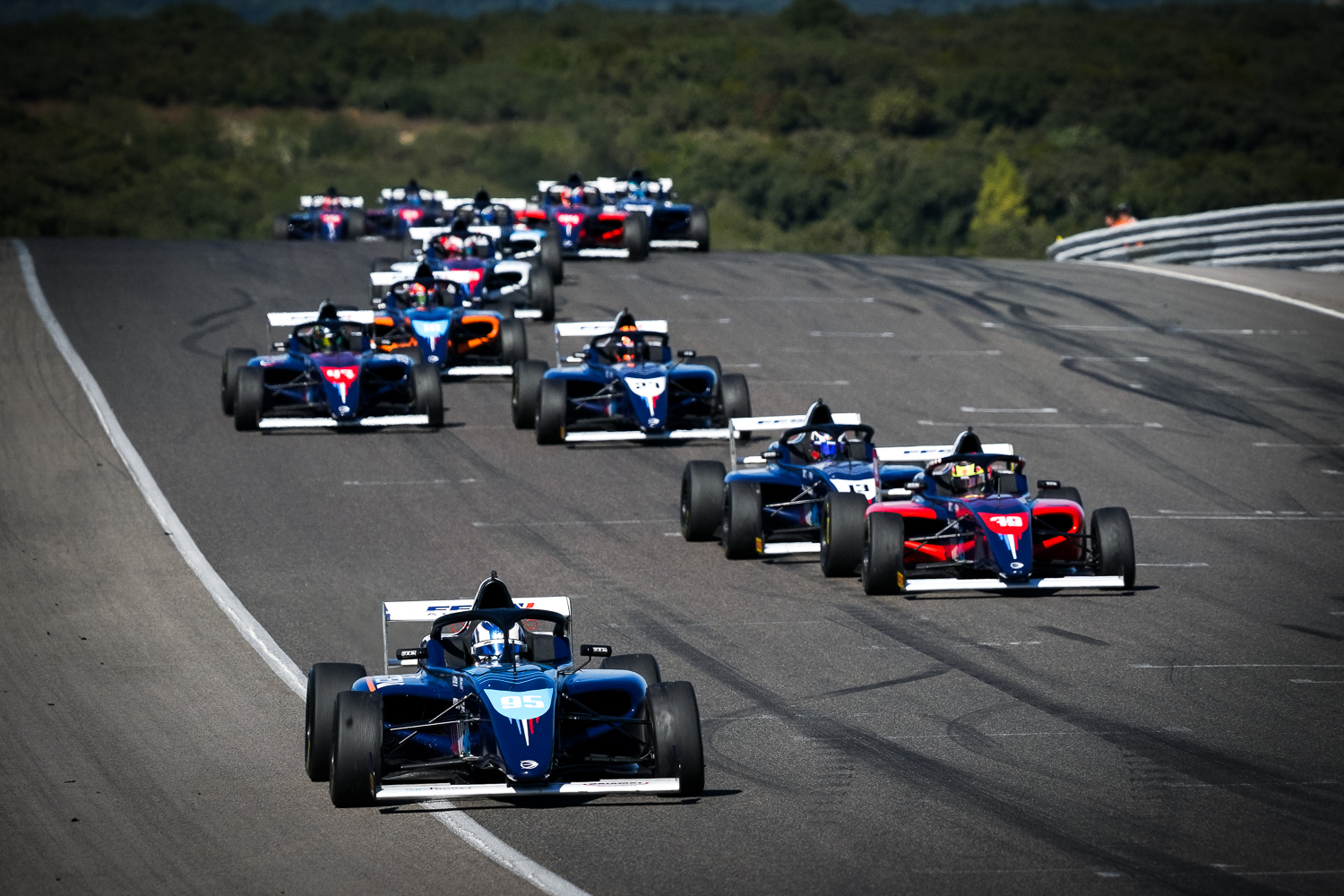
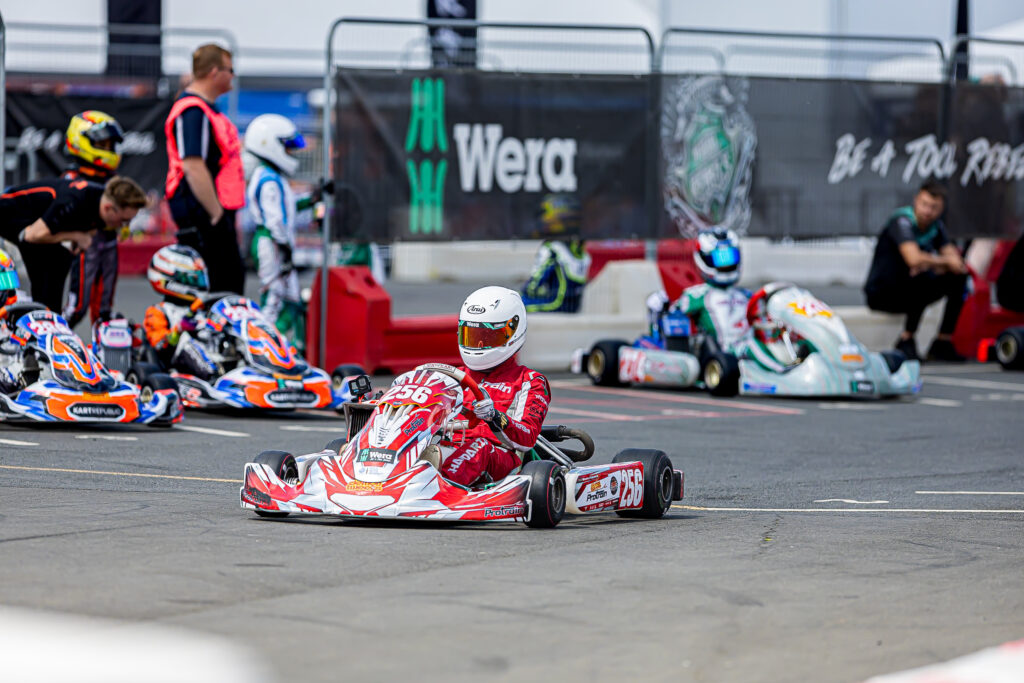
In particular, the nature of wheel-to-wheel racing changed dramatically. Karting often allows for close contact, with minimal consequences, but F4 demands precision and restraint at every moment.
“Because in go-karts often, like, it’s a joke that it’s a contact sport, right. If you hit someone, there’s no real consequences in it otherwise, other than maybe a small penalty.”
That contrast quickly became evident as he adapted to single-seater racing, where even minor mistakes can carry significant repercussions.
“But in F4, it’s completely different. If you crash and break your front wing, there’s quite a high damage cost for that. Everyone is kind of racing with that thing. And not only the damage cost, you can also retire very easily by breaking, like, a small part.”
The balance between aggression and control
As a result, Chandaria had to develop a more calculated approach. He learned to balance aggression with control, understanding that success depended on operating at the limit without crossing it.
“So it was really close racing, but it’s about being able to be on that limit of not touching and facilitating those positions. And I think that took me quite a while to figure out, but I think it’s something that’s just getting better. I think the main thing was that I was just on the simulator, which really helped, you know, get used to driving, racing formula cars.”
Chandaria on navigating the realities of F4 and wider motorsport
Alongside the technical challenges, Chandaria also faced the financial realities that come with competing internationally. Unlike drivers based in Europe, his journey required extensive travel, extended stays abroad, and additional logistical considerations.
These factors added another layer of difficulty, particularly for a young driver still adjusting to life away from home.
“It’s definitely unfortunate. And it’s almost like sometimes, you know, you have to stay in a different country for a few weeks or a few days, just because, you know, you have a gap between tests or something, and it doesn’t make sense to go home.”
Spending long periods away from familiar surroundings became part of the process. In many cases, he had to navigate these experiences independently, further accelerating his personal development.
“And I think that’s the main thing for me. It’s like staying in the unknown a bit for a bit longer and not being able to always travel with the parents or with someone, like sometimes having to do it alone.”
An unavoidable cost
While he acknowledges the challenges, Chandaria also accepts them as an unavoidable aspect of pursuing a career in motorsport at the highest level.
“And I think those costs, definitely, it’d be ideal if they weren’t there, because, you know, you could be used for other stuff as well. But I think it’s, it’s something that we have to do, because, like the racing is in Europe, and you can’t really get around that, or Europe or America, or US, and you can’t really get around that.”
Rather than viewing these obstacles purely as disadvantages, he chooses to frame them as part of a broader journey—one that may ultimately provide unique strengths.
“So I think it’s unfortunate, but I think if I want to race, it’s one of the costs that I have to look [at]. And, you know, it might be their good luck that they, people in Europe, that they get to not have to spend that cost. But I guess, if we look into the down the line, I’ll have some advantages that they might not. So I will try and see that I’m in, I’m in my situation, just try and make the most of that.”
Growing through independence and responsibility
Chandaria’s unconventional path has not only shaped him as a driver but also as an individual. The demands of travelling, living independently, and managing his time have accelerated his maturity beyond his years.
These experiences, while challenging, have instilled a sense of responsibility that extends far beyond the racetrack.
“I think it’s given me a chance, like outside of racing, to become much more responsible, kind of exposed me to real life a lot, a lot sooner than a 16-year-old would. You know, like having to travel and live alone for a bit. It’s made me more responsible and kind of, I guess, more like using my time more wisely, when I’m in Kenya, when I’m outside. Like, it’s helped me become really organised with my time, I think. And that’s the main thing.”
At the same time, his background has shaped his competitive mindset. Transitioning from a smaller racing environment to more established championships provided a clear reality check early in his career.
“But I think as well, for being from Kenya, it’s also shown me never to underestimate the competition, no matter where you go. Because I remember the first race I went to the UK, I didn’t know what to expect, but I thought I’d be really quick and at the front kind of in no time, because that’s where I was in Kenya. But it was going to be different from the first race I did in UK, I was in the midpack. So it was a bit of a culture shock. And I think it’s, it’s taught me from then, just don’t underestimate, always go with, you know, giving your 100% best.”
F4 a foundation for the future for Chandaria
Chandaria’s transition into F4 represents more than a step up in machinery; it marks a crucial phase in his development as both a driver and a person. By adapting to new technical demands, managing the financial realities of international racing, and embracing independence at a young age, he continues to build a foundation for long-term success.
As he progresses into the next stages of his career, these experiences will remain central to his growth. They not only define his journey so far but also position him to compete with greater awareness, resilience, and determination in the years ahead.