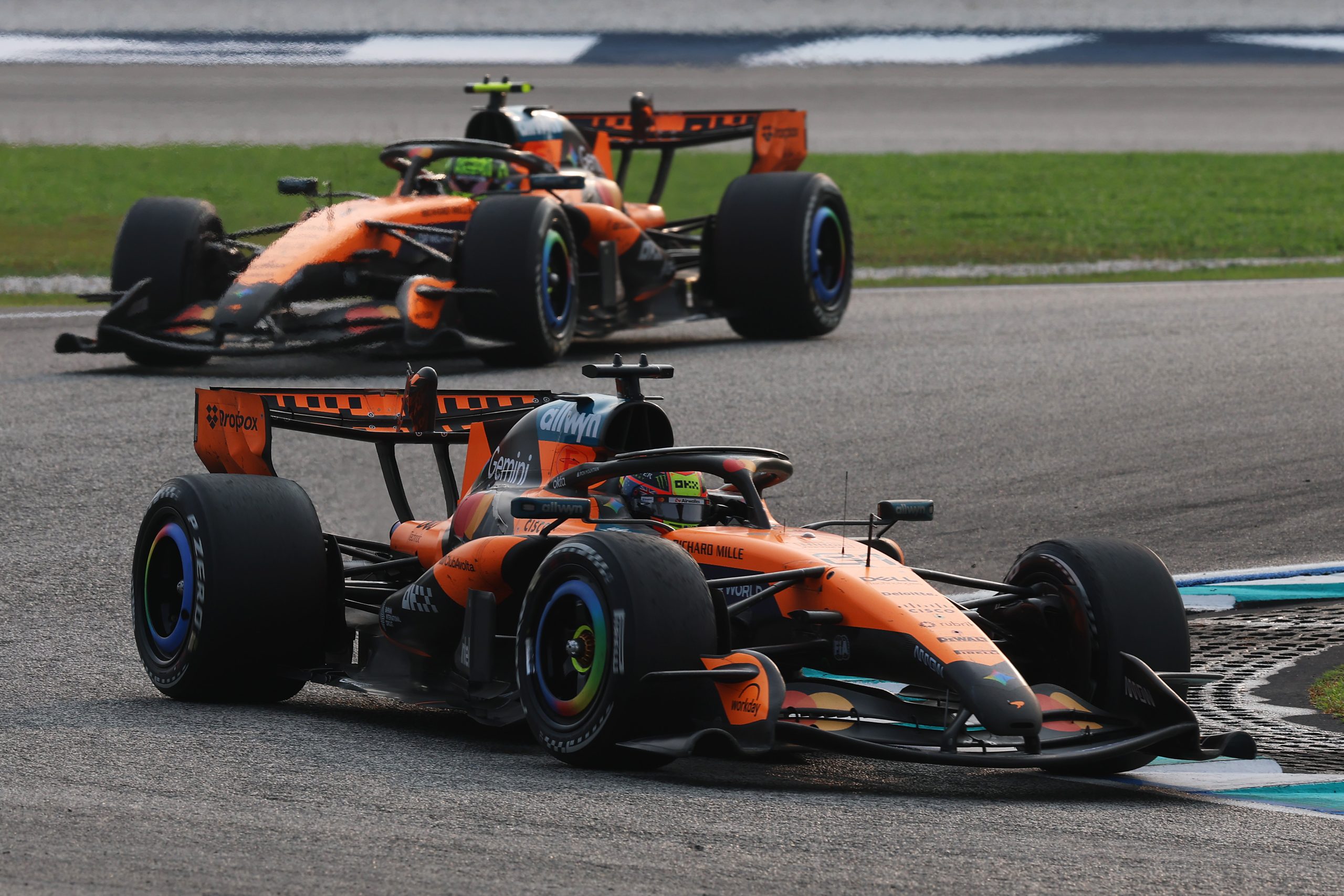
“So ultimately, it was an incorrect judgement as to the crossover at which the dry tyres would be faster than the intermediate tyres,” Andrea Stella said as he reviewed the McLaren strategy after the 2026 F1 Malaysia round.
Stella admitted that the McLaren F1 strategy misread how quickly Sepang would dry. As a result, both drivers paid in lost race time.
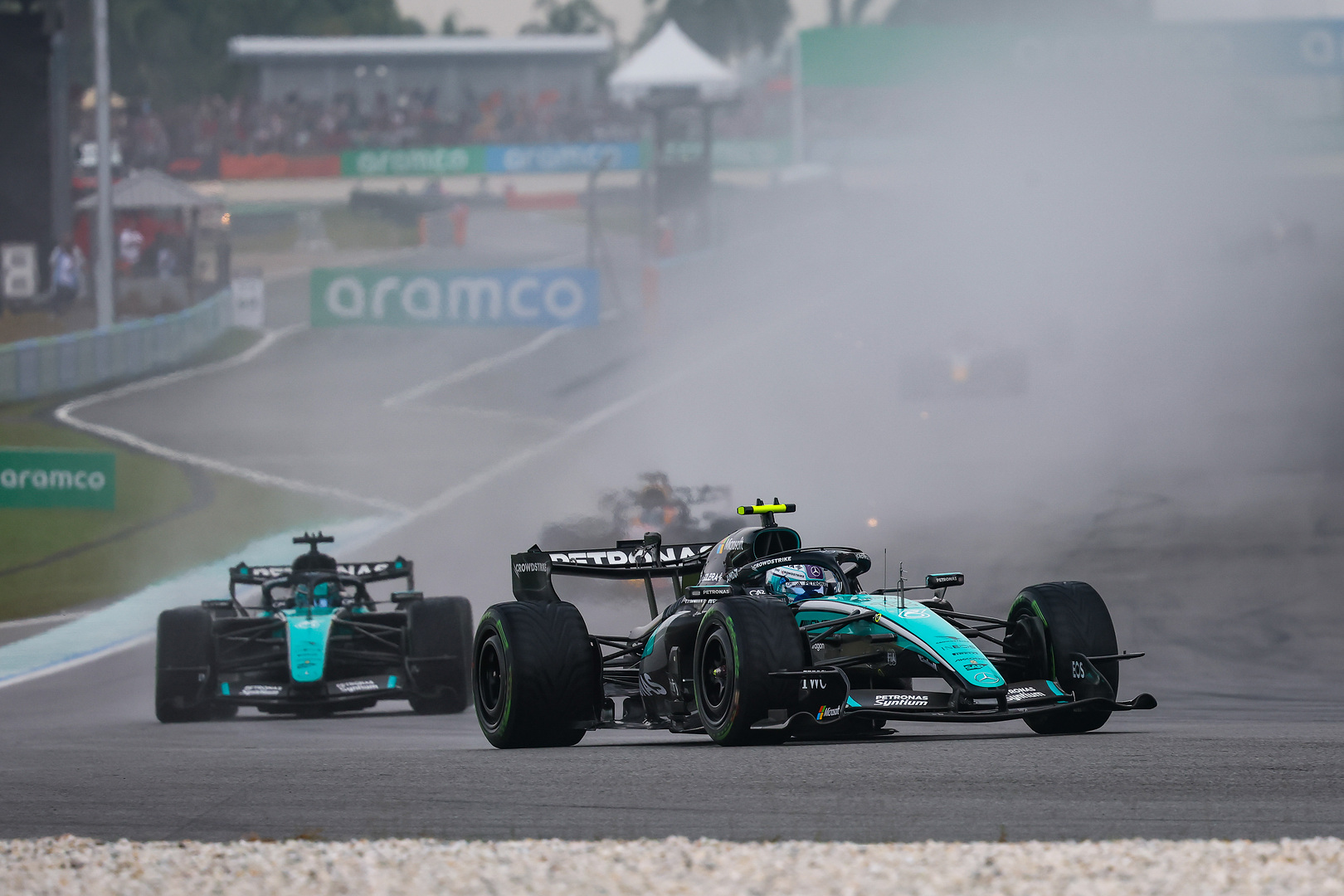
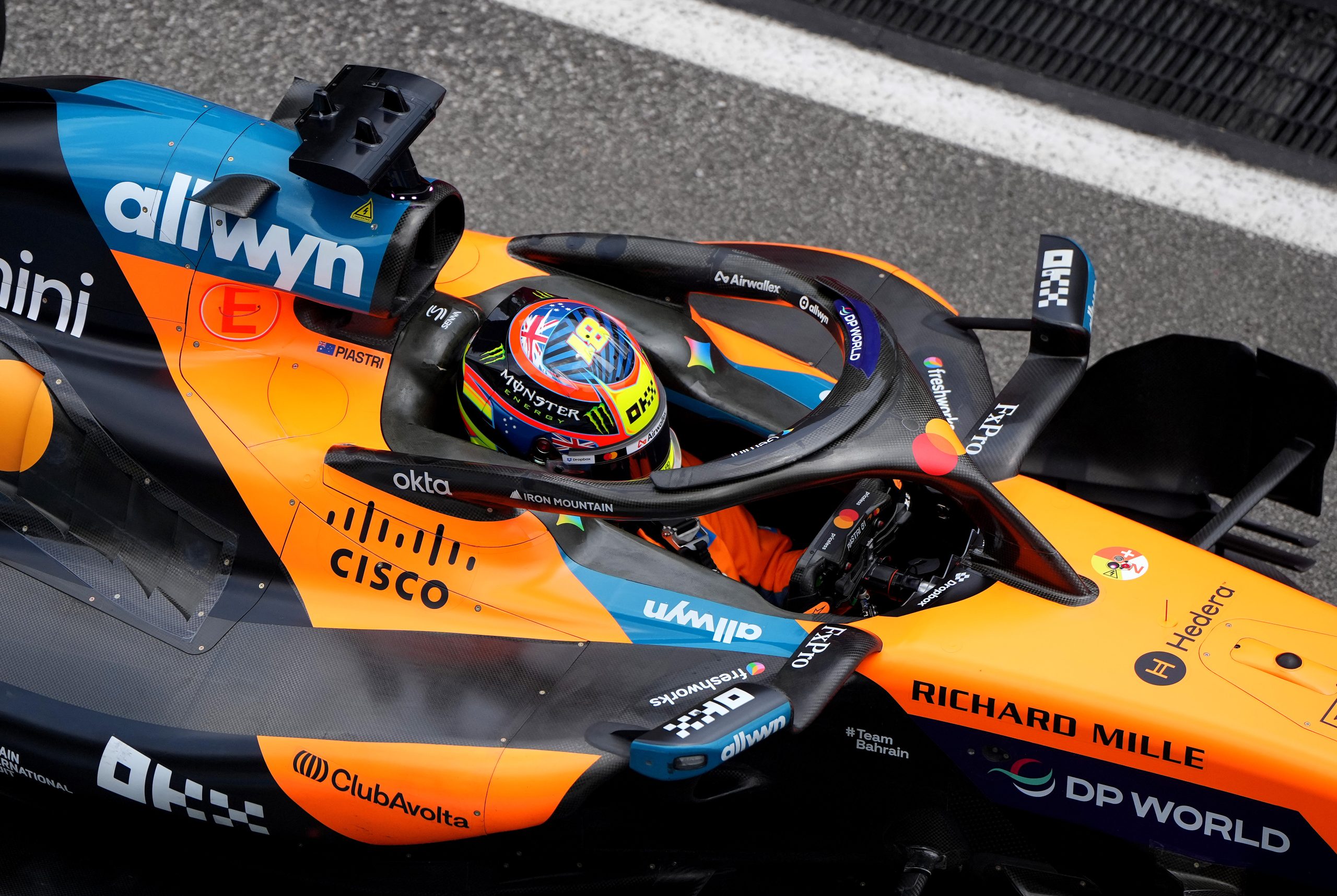
The problem started before the lights went out. McLaren sent both cars out on slicks. However, Oscar Piastri overruled before the standing start and boxed on his own accord so he could take intermediates. Lando Norris stayed out on slicks. He soon tumbled down to P15 but was the lead runner on dry tyres in the tricky conditions before the Safety Car. Piastri finished sixth, while Norris recovered to ninth.
Stella explained the thinking behind the McLaren F1’s strategy in detail, starting with the moment that mattered most.
Stella pinpoints the hardest call of the F1 McLaren strategy
The Team Principal argued that the start posed the biggest question in the tyre strategy. In his view, nothing that followed came close to it in difficulty.
“Well, at the pit wall in terms of making calls for strategy and tyres, the most difficult moment was certainly at the start where it wasn’t clear whether the track required intermediate tyres or it would have worked for the dry tyres.”
Moreover, the evidence on the way to the grid pointed in one direction. Stella described what his team saw. Malaysia also has a history of drying out relatively quickly after a huge deluge cleared away, with 2013 a prime example.
“On this kind of tarmac, already what we saw on the laps to the grid is that the intermediate tyres were getting damaged very, very rapidly. And also on this kind of tarmac, the dry tyres worked very, very easily, much more easily than pretty much every other circuit.”
Why the dry tyres took longer to switch on
Stella said the McLaren strategy rested on slicks coming alive quickly. The data from the reconnaissance laps to the grid at the 2026 F1 Malaysia race supported that view.
“So it looked from what we could observe that the track was dry enough to stay on track with the dry tyres and we thought that the dry tyres would have switched on pretty rapidly. But as a matter of fact, it took more laps than we thought.”
However, the delay carried a price. Stella said the team paid in race time with both cars. While the Australian did get back to inters and quickly charged to P10 as he passed the dry runners like it was a video game set to easy, in reality he should have been in the top 3 or 4 at the end of the opening lap if he was on those tyres on the grid.
“So with Lando [Norris], we lost race time and with Oscar [Piastri] as well, we lost race time,” he said.
Driver input and the split that never was
Stella also dismissed the idea that the McLaren F1 strategy relied on a deliberate split between the cars. Instead, he described a shared misjudgement.
“No, it wasn’t as simple as splitting. It was more the uncertainty as to how much it would take for the the dry tyres to start to work. And as a matter of fact, it took longer than what we thought it would take.”
Similarly, he rejected the notion that the call came down to a count flip between the two cars.
“But there was not a logic as simple as saying, let’s split and let’s see which one is right. We thought that the dry tyres would switch on faster.”
The drivers did add their own views. Stella explained how each one leaned.
“I think for Oscar [Piastri], it was Oscar [Piastri] himself thinking it’s not going to be rapid [to dry up]. And I think with Lando [Norris], it’s possible that we biased Lando [Norris] in the wrong direction.”
Stella added that Norris felt he should have pitted for intermediates. Even so, the team tried to keep him out for longer, and they did until the Safety Car. The World Champion was 70s off the lead at the end of Lap 7.
“But as we discussed, we kind of attempted to see whether we could stay out on the medium tyres.”
What it said about the rest of the race
Once the opening decision passed, Stella felt the afternoon became far simpler. Therefore, he singled out that first call as the one that defined McLaren’s race. Pitting under Safety Cars got them back on similar strategies to everyone else.
“This was the most complicated moment.
“I think apart from this initial decision, the rest was relatively easier.”
For McLaren, the lesson in clear. The team read the crossover wrongly in the 2026 F1 Malaysia race. Still, Stella owned the error openly, and that honesty shaped the race as much as the lost points.