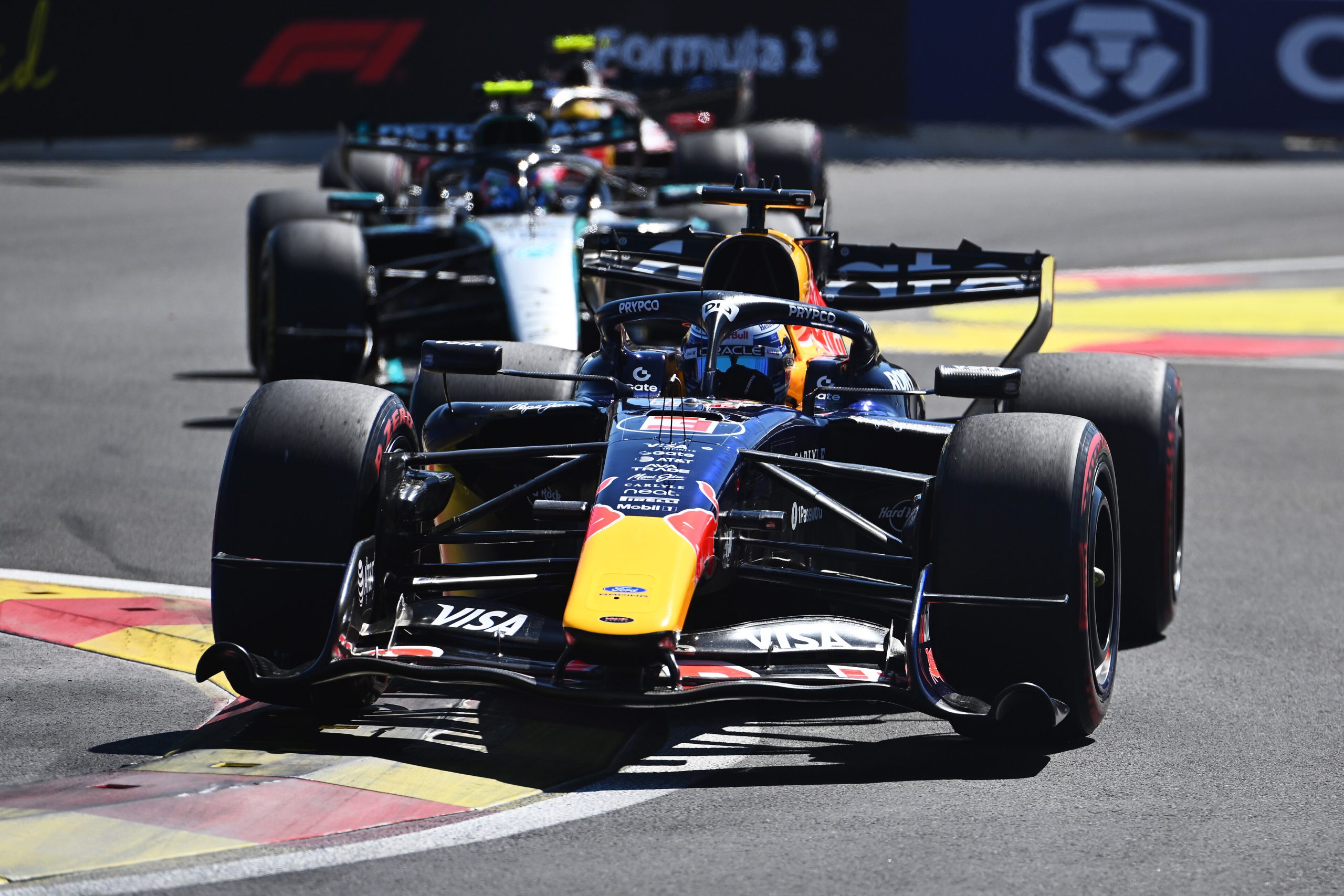
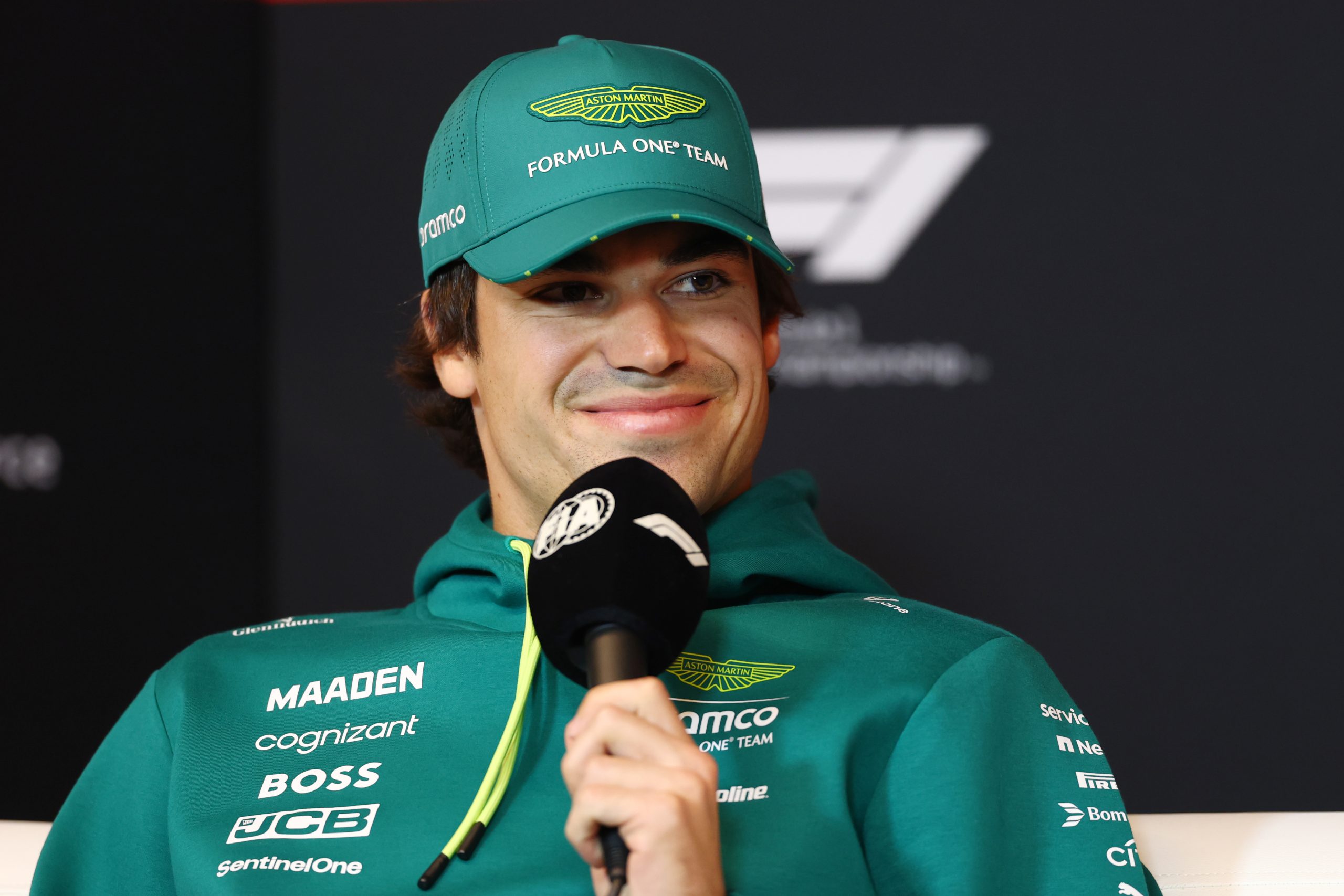
Lance Stroll joins a growing list of 2026 Formula 1 drivers who’ve expressed their honest views about the newest generation of F1 cars. While drivers like Max Verstappen, Carlos Sainz, and Fernando Alonso have expressed displeasure over how this year’s cars behave, Stroll delivered his verdict during his time in Madrid ahead of the Spanish GP.
The key point for the Canadian was the overall intensity of these newer cars and the lost charm of previous generations, where pushing the cars to their full capacity didn’t include clipping and having to manage energy in corners.
Lance Stroll believes making a difference in F1 is impossible without a good car
Lance Stroll was next in line to question the “intensity” of the 2026 F1 cars and what they demand from drivers. Speaking ahead of the previous round, the Aston Martin driver was asked whether the introduction of F1’s newest track allowed him to make a difference that wasn’t impacted by how the team’s Honda power unit behaved.
The Canadian shared a straightforward response, admitting that in a sport like F1, you can’t really make a difference without one of the biggest supporting factors: a good car.
“No, you don’t make a difference in F1. It’s all about the car you have. It’s the truth.”
He then gave an example that’s been common over the last season where teams finish side by side. Notable examples include the McLarens predominantly finishing 1-2 in 2025, and the Mercedes doing the same this year. The last shock victory was arguably Daniel Ricciardo at Monza in 2021, or Carlos Sainz at Singapore in 2023, even if they were in a McLaren and Ferrari respectively.
“You look at the order of the field and it always finishes each team in two. That’s how it works. Two Mercedes, two whatever the next team. That’s how it is.”
2026 F1 cars “less intense” to drive says Stroll
Max Verstappen said to the BBC recently that the current nature of these newer cars makes them less susceptible or “numb” to what a driver can deliver from behind the wheel. Meaning the driver has limited scope to make the most of the car through their own driving style.
The four-time World Champion referred to Yuki Tsunoda and Liam Lawson as an example. The Japanese is currently serving as Lawson’s replacement at Racing Bulls, while the Kiwi drives in place of the injured Isack Hadjar at Red Bull.
Verstappen believes that both drivers were able to adapt much quicker to their cars under the new regulations as compared to previous years.
In 2025, Lawson and Tsunoda struggled to acclimate to the RB21 during their tenure with the team, but a year later, their immediate competitiveness at their respective teams shows how the 2026 F1 cars are creating smaller gaps between teammates, particularly in qualifying.
Similarly, the 27-year-old agreed that the overall feel of the new cars is “less intense”, but he pushed back on the idea that this concept is something inherently new for the sport.
He countered that, at the end of the day, racing is all about the car; the grid is divided between cars that can win races and cars that try to make it out of Q1 in qualifying.
“For sure they’re less intense than in the past, but I think it’s generally always been like that. The cars that can win the races win the races, and the cars that fight to get out of Q1 fight to get out of Q1. That’s been Formula 1 since whatever, 70 years or however long it’s been.”
New F1 cars come with their own set of challenges
One of the biggest challenges drivers have faced this season is that carrying more speed into a corner can come at the expense of time on the following straight, meaning an aggressive approach through the corner does not always translate into a faster lap.
Stroll shared that the issue had improved after changes were made early in the season following Suzuka, but the bigger difference is in what it takes to drive these cars at the limit.
“Yeah, I think that got a bit better after they made a change. I don’t remember when it was, after the first couple of races. The cars are definitely a lot less intense to drive than in the past.
“Being on the limit is maybe not easier because it’s different. There’s different challenges in these cars than in the past, but maybe you have to be less brave than you did in the past, like carrying speed in the high-speed corners and stuff. It’s definitely less intense.”
What the 2026 F1 cars take from a driver’s strengths
Stroll continued to build on his perspective on how the new regulations have created a car that’s less intense and exciting to drive, as these changes have managed to alter how a driver can gain time.
“Yeah, I think these cars are just not as exciting as the cars used to be. That’s just the truth. It’s a lot less downforce. We’re clipping in the middle of the straights. It’s just not as intense to drive.”