Thirty laps into a race, a driver brakes hard into a corner, turns in, and feels his head trying to go in a different direction from the car. He has done it dozens of times already, and he has dozens more to go. The viewer sees a steady line through the apex. What the viewer cannot see is the neck working constantly to keep a helmeted head upright.
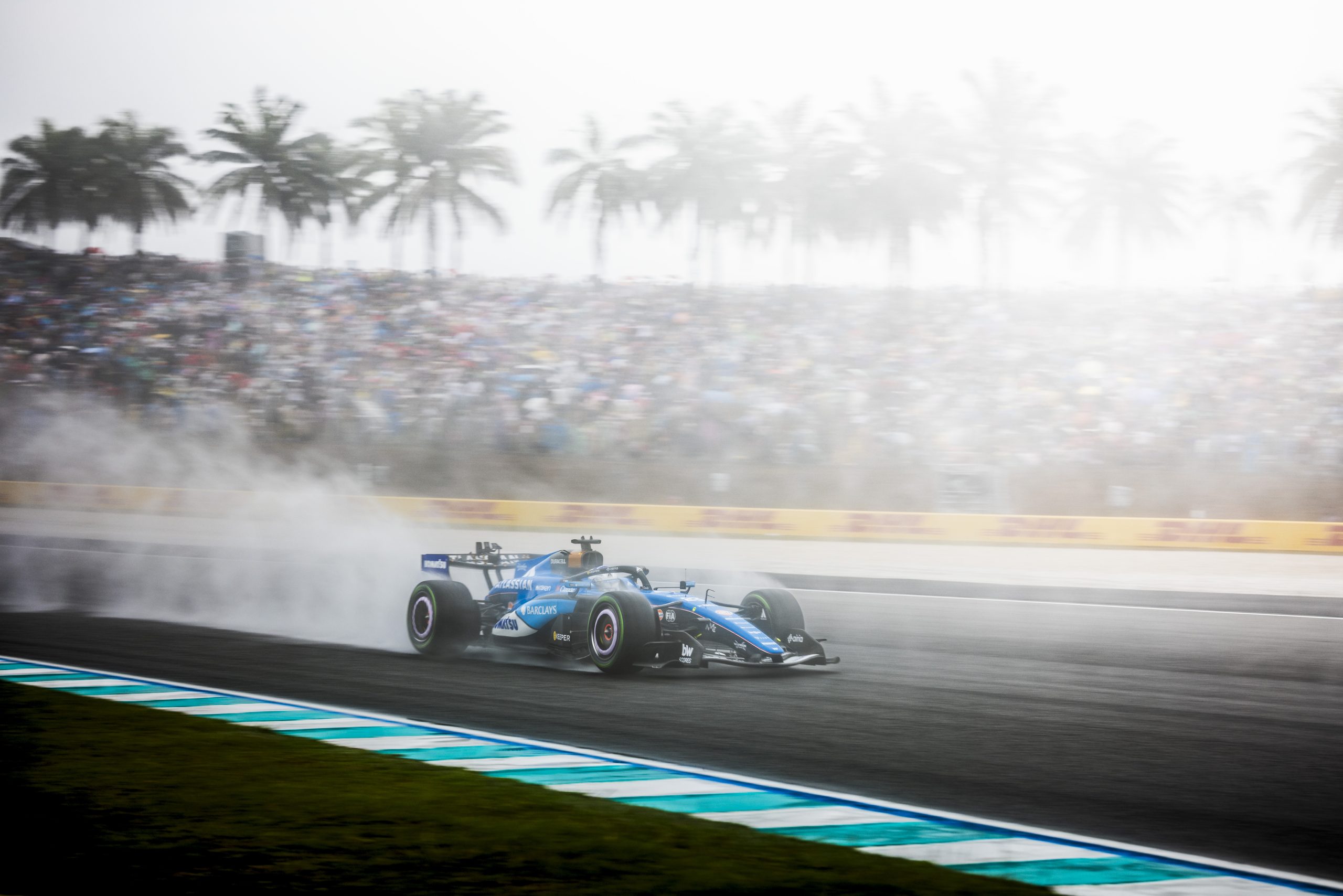
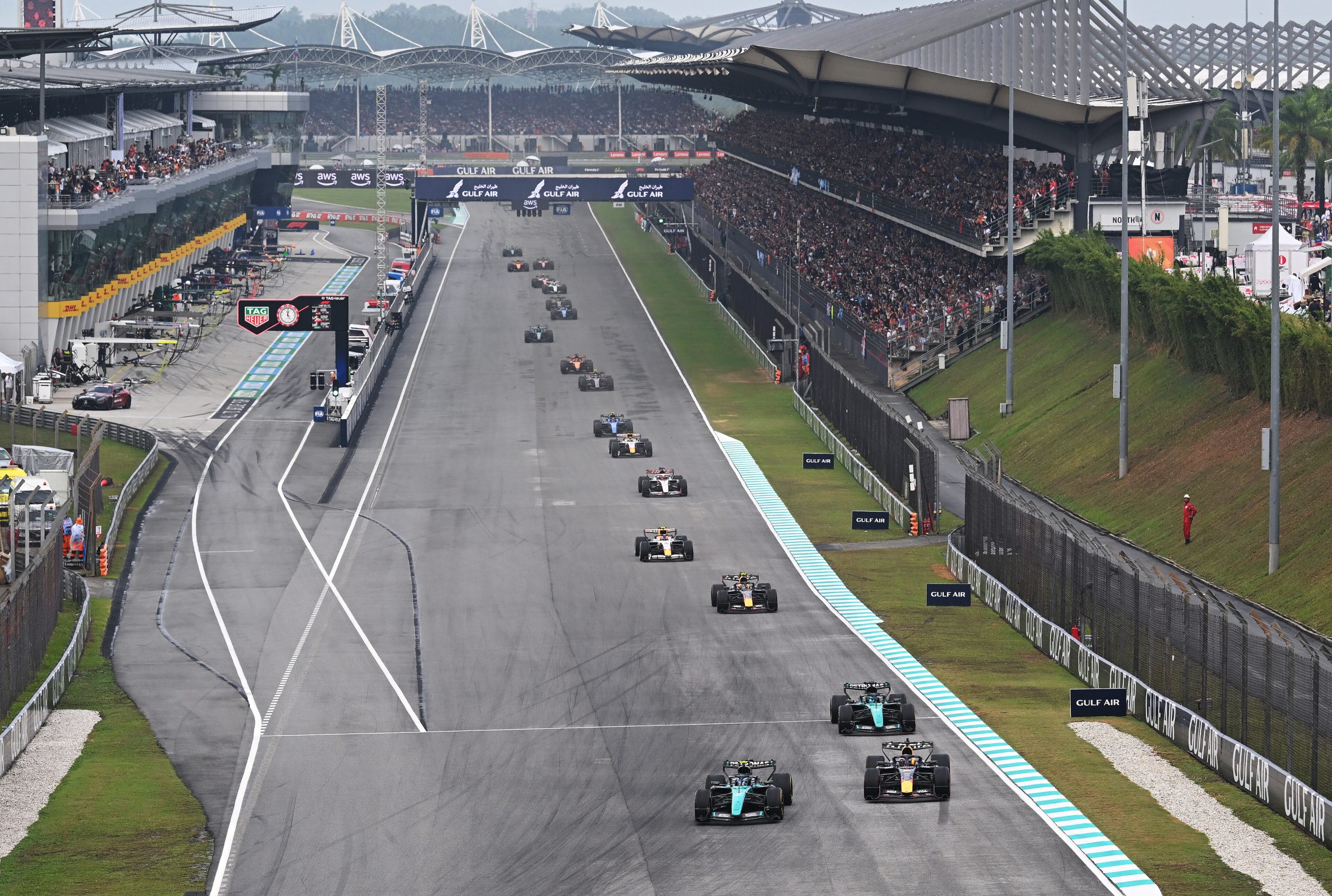
Coverage of a chaotic, rain-affected weekend like the latest race in Malaysia naturally centres on tyres, strategy calls, and software problems. Those are the stories that decide results and fill the debriefs. Underneath them sits a quieter physical story about what each session asks of the person strapped into the cockpit.
A modern single-seater puts a driver in a tight, low seat with the head unsupported on all sides except by his own muscles. The helmet adds several kilograms to the head, and cornering, braking, and acceleration multiply how heavy that load feels. Over a full race distance, that adds up to a lot of work for a part of the body most people never think about training.
The loads are rarely dramatic in any single corner. It is their repetition across a race, and across a weekend of practice, qualifying, and sprint sessions, that makes the neck one of the most heavily used parts of a driver’s body. Fatigue there can show up as a loss of precision long before it feels like pain.
Muscle is only part of what holds the head steady. Tendons and ligaments carry a share of the load too, and they are the tissues athletes most often overlook until something feels wrong. A simple daily habit built around unflavored collagen peptides is one way some athletes add to a routine that already includes proper meals and strength work. Naked Nutrition markets a grass fed, unflavored version made for exactly that kind of steady, unglamorous consistency rather than a short-term performance spike.
No powder replaces the training itself, and nobody should expect it to. What it can do is fit easily into a routine that has to survive a calendar of flights, hotels, and early starts. For drivers and for the amateurs who follow them, that kind of low-effort consistency is often what separates a plan that lasts from one that gets dropped in week three.
The path to a seat starts long before Formula 1. Junior series are expanding their calendars, with new venues and more rounds on the way for the next seasons. Young drivers coming through those categories are asked to build the same physical base as their senior counterparts, usually while still growing and often while travelling every other week.
That puts a premium on understanding which physical qualities actually matter. It would be easy to assume that all racing drivers need the same kind of fitness, but the research suggests otherwise. Different championships place sharply different demands on the body.
One of the clearest comparisons comes from a study published in Medicine & Science in Sports & Exercise that documented body composition, peak oxygen consumption, and isometric neck strength in elite drivers from Formula 1, IndyCar, NASCAR, and IMSA sports car racing. Isometric neck strength was highest in Formula 1 and IndyCar drivers compared with the IMSA and NASCAR drivers. The authors concluded that the varying physical demands of each series require different levels of physical fitness from their drivers.
That result makes intuitive sense once the cars are compared. Open-wheel cars generate high cornering and braking forces while leaving the head exposed to them, and the drivers who race them are the ones who test strongest in the neck. Other forms of racing ask for other qualities, such as heat tolerance or endurance across long stints.
It is worth keeping the limits of the study in view. It measured a group of elite drivers at one point in time, which means it describes what those drivers look like rather than proving what produced it. It also says nothing about any individual driver’s strength or training, and it should not be read as a ranking of the drivers themselves.
A 2026 review of the physiological demands of Formula racing reached a consistent overall picture. It described high aerobic capacity, elevated heart rates through competition, and targeted muscular development, with particular emphasis on the neck and upper body needed to withstand gravitational loads. The review also noted that the research on single-seater drivers is still thinner than for other sports.
Neck work itself looks nothing like a typical gym session. Drivers use controlled resistance in several directions, because the head is pushed forward, back, and sideways during a lap. Strength is only part of the goal, since endurance and balance between the left and right sides matter too.
Everyday readers can take a lesson from that. Many people spend long stretches with the head tilted forward over a phone, a laptop, or a bike stem, and the neck pays for it. Building general upper back and neck strength, taking breaks from fixed positions, and paying attention to early stiffness are simple habits that cost nothing.
Club racers and karters feel a smaller version of the same load. A long session in a kart or a track day car leaves the neck and shoulders tired in a way that surprises first-timers. The solution is the same one used at the top level: steady strength work, sensible session lengths, and enough recovery between outings.
Race weekends add other layers on top of the physical load. Heat and humidity raise the effort of every lap, travel eats into sleep, and back-to-back events leave little time to reset. A driver arriving at a flyaway round has to manage all of that while still being sharp enough to hit his marks.
That is why recovery gets so much attention in modern motorsport. Sleep, hydration, mobility work, and consistent rehab are the basics, and teams increasingly treat them as part of the performance programme. The best-prepared drivers tend to have routines that hold together regardless of time zone.
Some drivers and athletes also use heat as a recovery tool between heavy blocks of work. Time in a compact, rounded cedar cabin heats a small volume of air efficiently, which makes a short, repeatable session practical, and the heat increases blood flow to fatigued muscle tissue and triggers mild activation of heat shock proteins that support cellular repair. That specific mechanism is part of why barrel saunas have found a place in some athletes’ routines after demanding training blocks, used as one tool among several rather than a substitute for sleep and sensible workloads.
A practical starting point for anyone curious does not require a racing budget. Two or three short sessions a week of neck and upper back strengthening, done with light resistance and good form, builds a base without taking much time. Anyone with a history of neck problems should check with a physiotherapist or doctor before starting.
None of this guarantees a faster lap or a safer weekend. Motorsport carries risk that no routine removes, and results still depend on the car, the strategy, and the conditions. What good physical preparation offers is a better chance of the driver being at his best in the final laps, when fatigue is highest and mistakes are costly.
So the next time a driver holds a steady line through a long, punishing race, it is worth remembering what is happening just above the shoulders. The neck is doing a job that rarely makes the highlights, and the work behind it starts long before the lights go out. Preparation of that kind is easy to miss and hard to replace.