Thomas Bearman’s progression through the junior single-seater ranks reflects both the intensity and unpredictability of modern driver development. Like many young racers, he built his foundations in karting, but his transition into cars came with unique challenges—most notably a lack of preparation time before his debut.
That early leap into the unknown forced Bearman to confront the realities of single-seater racing far sooner than expected. The increased speeds, technical complexity and mental demands created a steep learning curve. However, rather than slowing his progress, those early struggles became the foundation for rapid development.
By 2025, a full season of competition provided structure and guidance. Then, in 2026, a breakthrough campaign elevated both his results and confidence. Now working with Van Amersfoort Racing, Bearman continues to refine his approach while building towards long-term success in one of motorsport’s most competitive junior categories. In an exclusive interview with Pit Debrief, Bearman discussed his transition from karting to F4 and how his continues to grow as a driver with his new team, Van Amersfoort Racing.
Limited preparation, maximum pressure: Bearman reflects on his leap from karting to F4
The transition from karting to single-seaters often defines a young driver’s trajectory. For Bearman, that transition proved especially demanding due to limited testing before his first race weekend. Without extensive preparation, he entered an environment where both the physical and mental stakes were significantly higher.
“Yeah, well, I didn’t do much testing before my debut, so that sort of lack of knowledge about cars as well really, I don’t think it helped me mentally because obviously the stakes are so much higher when you’re going at 150 miles an hour compared to a go-kart on a track. So that sort of was really tough for me to manage, you know, building my confidence while also trying to race people that have multiple years of experience.”
As a result, Bearman had to balance learning the fundamentals of the car while simultaneously competing against more experienced drivers. That dual pressure shaped his early mindset and approach to racing. It forced him to process information rapidly, often under intense race conditions, where mistakes carry far greater consequences than in karting.
Learning through adversity
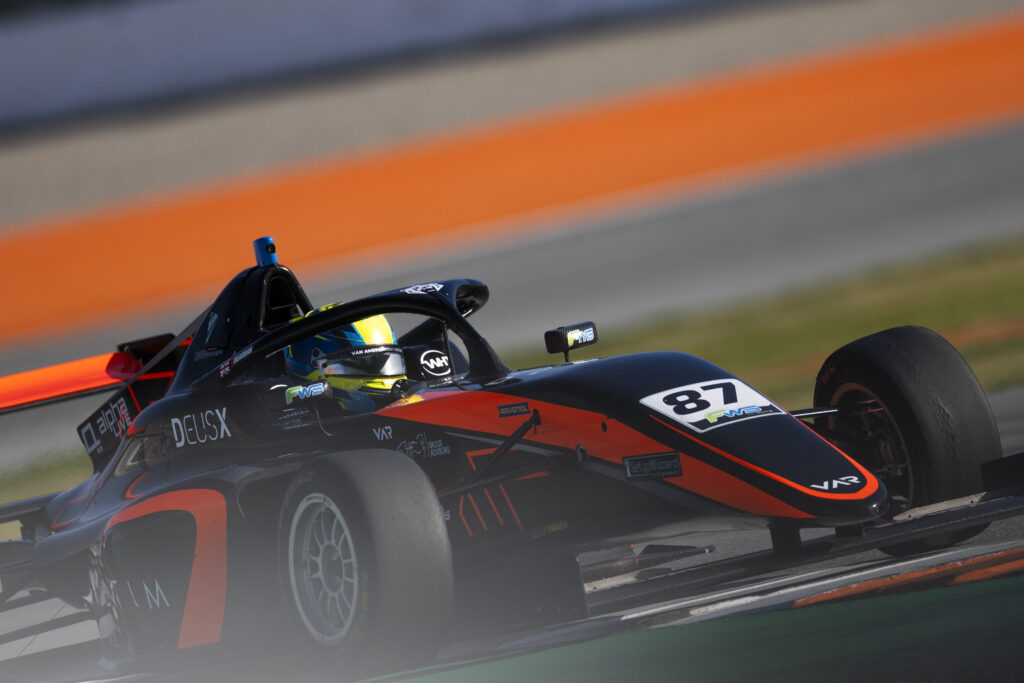
Despite the initial difficulties, Bearman views that challenging introduction as a crucial part of his development. Rather than seeing it as a setback, he recognises it as a defining period that accelerated his growth as a driver. The lack of preparation forced him to adapt quickly and extract lessons from every session. Each lap became an opportunity to improve his technical understanding and his precision.
“I don’t think that was the best step, but still it’s shaped who I am today. I still learn a lot from those experiences. Obviously it’s, driving a car, even if it is the bottom step of the ladder at F4, it’s still so much more technical, so much more involved and so much more precise than go-karting.”
Through this process, he began to appreciate the depth of technical understanding required in formula racing. Each outing became an opportunity to build knowledge, even when results did not immediately reflect progress.
Understanding the technical gap and building mental resiliance
As Bearman gained more experience, the differences between karting and single-seaters became increasingly evident. While karting provides a strong foundation in racecraft and car control, it cannot fully replicate the demands of driving a formula car. Single-seaters require a deeper level of technical awareness, including understanding aerodynamics, tyre management and car setup. Drivers must also communicate effectively with engineers, translating on-track sensations into actionable feedback.
“But it’s just a different level. There’s so much more technical knowledge you have to have, and even looking forward to, you know, with my brother’s vehicle, it gets even harder. You realise how much go-karting, okay, it’s important for very basic learning but, you know, it’s more fun than anything because it doesn’t translate much, for sure.”
Beyond the technical challenges, Bearman also had to adapt mentally to racing at much higher speeds and closer margins. Confidence, in particular, became a central focus of his development, as racing wheel-to-wheel at high speed demands absolute trust in both ability and judgement.
“And mentally, I think it’s just dealing with building the confidence that you need to drive a race car against another race car, but centimetres apart at 150 miles an hour. It’s definitely a task, and that’s what I think the main development in my single-seaters career has been so far, building that confidence. So now I feel confident. It’s a different story, and I feel a lot happier.”
Over time, that confidence transformed his approach. What once felt overwhelming gradually became manageable, allowing him to perform with greater consistency and control. As his comfort in the car increased, so too did his ability to push the limits—an essential step in his ongoing development as a single-seater driver.
Bearman on the importance of guidance and learning in 2025 F4 campaign
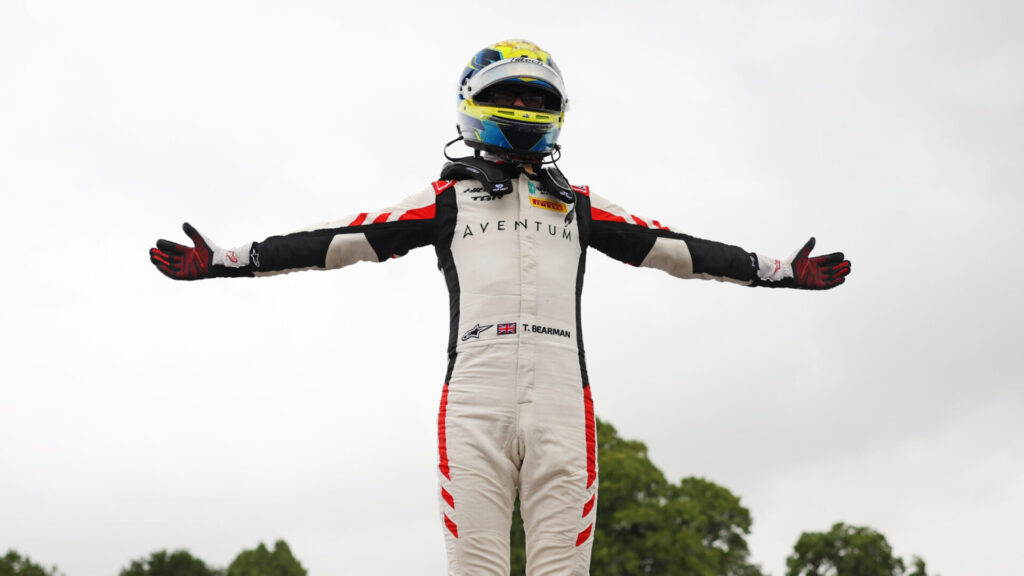
After his debut season, Bearman entered 2025 with a clearer understanding of what single-seater racing required. A full campaign provided not only more track time but also the structured support necessary for rapid improvement.
Working closely with his then-team Hitech, he began to translate raw experience into refined performance. Guidance from engineers played a particularly important role during this phase.
“Yeah, just Hitech were a nice team to learn with, for sure, like obviously for British, they taught me a lot. I had a really nice engineer who sort of, you know, when you’re a young driver like that and very new, you need an engineer that can sort of guide you along because you’re learning so much at such a rapid rate and you have to learn because, you know, it’s a sink-or-swim moment and it’s obviously helped this year because now I can, rather than learning all these things at once, I can iron out my small mistakes and I’m really focused on what makes me a good driver rather than focussing on a hundred things at once and trying to find them all by some sheer luck.”
From chaos to clarity
With more races under his belt, Bearman developed a clearer sense of direction. Experience allowed him to break down complex challenges into manageable improvements.
“But still, having those races under my belt is really helpful and obviously going to new tracks and with a new team, it’s obviously a nice challenge because I don’t feel like, and you know, if I felt like I did two years of the exact same thing, I’d be sort of at a crossroads, like not learning much, but now I have another year where I can almost learn as much as my rookie year about everything.”
Importantly, Bearman does not view his second year in single-seaters as a continuation of the first. Instead, he approaches it as an opportunity to reset and expand his understanding.
“So it’s really exciting for me, to be honest with you. I don’t see it as a second-year drive because so much has changed, but still the learning is really important and it’s going to carry forward after that.”
Bearman on achieving breakthrough momentum to start 2026 F4 campaign with Van Amersfoort Racing
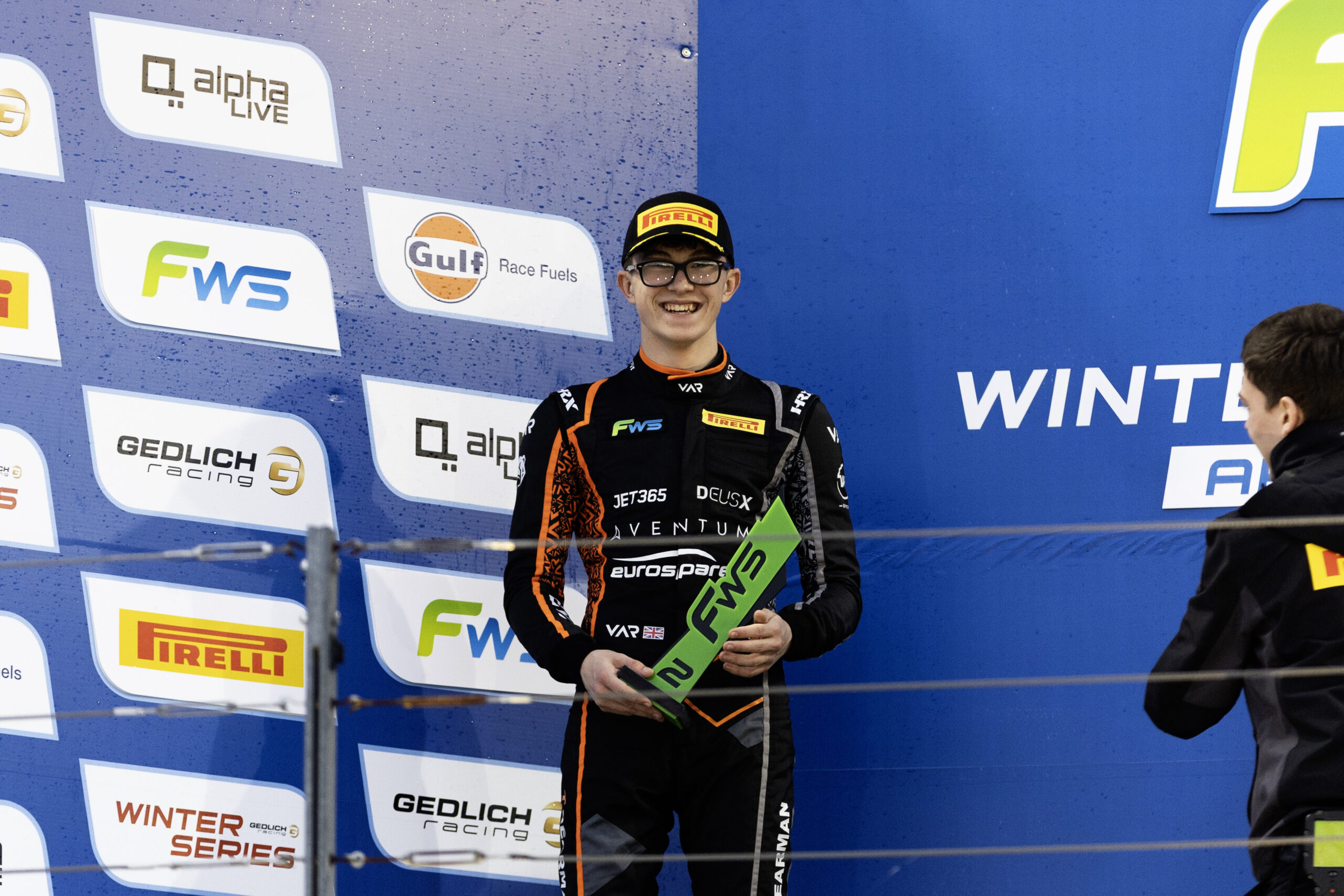
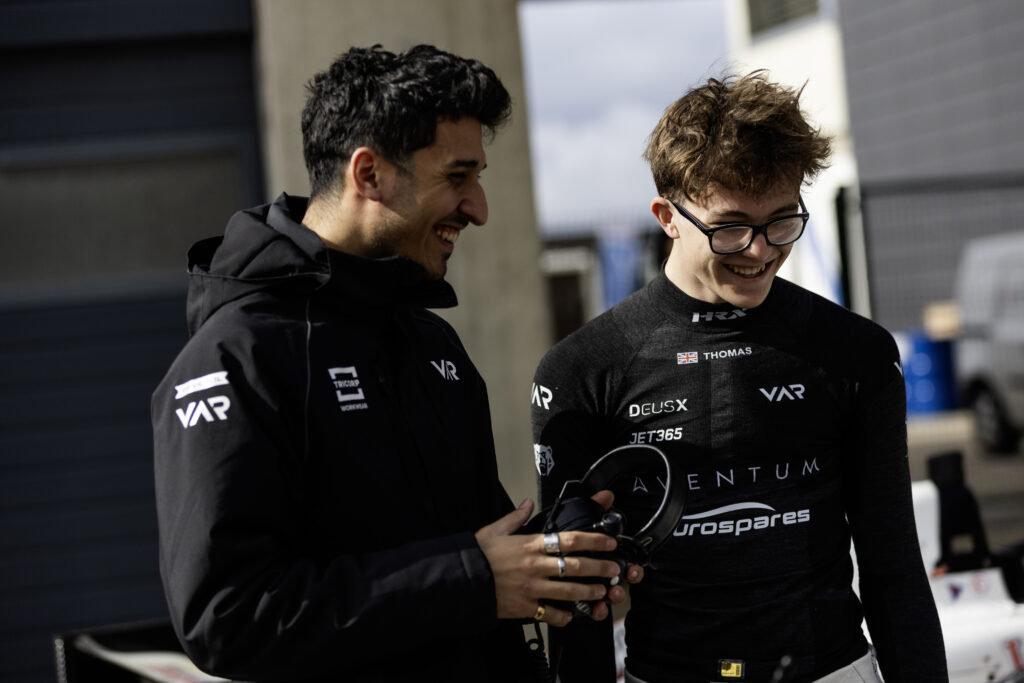
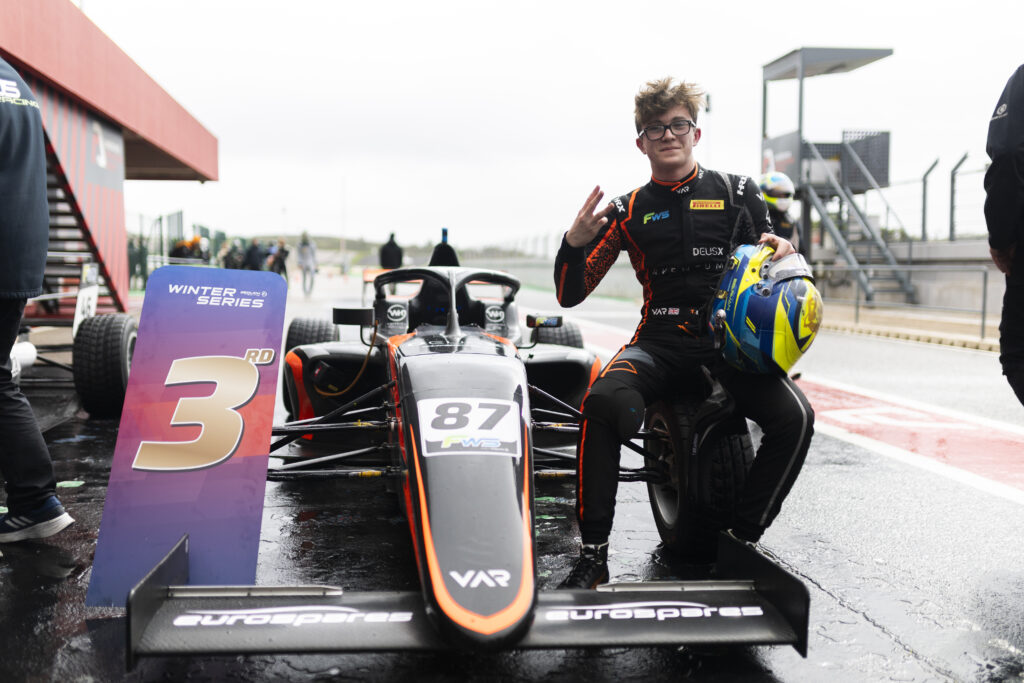
By 2026, Bearman’s development began to translate into tangible results. A strong campaign in the Formula Winter Series (FWS) not only delivered a vice-champion finish but also reinforced his belief in his own ability. The season marked a clear shift from learning fundamentals to executing at a consistently high level, with confidence becoming a defining factor in his performances.
“Yeah, I mean, it’s obviously really nice for myself to have that sort of confidence in myself because at the end of the day, that’s what you need as a driver. I mean, you need to be confident in your own ability because sometimes you might lack something here or there, and if you know at the end of the day, you can fall back of your sort of skills, then it’s really nice to have that feeling. Obviously, I did learn a lot across FWS.”
That growing confidence did not emerge in isolation. Instead, it developed alongside Bearman’s ability to adapt quickly in demanding race environments, where every session carries weight and every lap presents a learning opportunity. As a result, his approach to race weekends evolved significantly.
“Started as quite a newbie into the team, had to learn a lot, and it was quite, obviously with race weekends, you have to learn really quickly and I enjoyed that challenge and I think we did manage it really well. “
Development across the season
Building on that adaptability, Bearman and Van Amersfoort Racing began to unlock stronger performance as the season progressed. Each round contributed to a deeper understanding of the car, while improved communication between driver and engineer allowed them to refine their approach more effectively.
“Obviously, I think as you can see that the results got better as the rounds went on, so I’m really happy with how we developed, both my engineer and me, we got closer and I think we managed to really find a limit with the car and I’m really happy with that.”
As their working relationship strengthened, this upward trajectory naturally led to greater consistency. Rather than producing occasional standout results, Bearman established himself as a regular presence at the front of the field.
“Obviously, my best result in any championship so far, so I’m really happy with that as well, and just the fact that I can find in the front every weekend, every race without making mistakes, I’m proud of that as well.”
This consistency, in turn, provided a solid platform for further growth. However, despite these clear improvements with Van Amersfoort Racing, Bearman remains focused on the bigger picture and the areas that still require development ahead of his larger F4 campaign.
“I think as a team and as a driver, I think we’ve come really far, and obviously it’s still very early in the year, and to have this sort of confidence is really important, but at the end of the day, obviously I wasn’t the champion, and that was a bit of a gap to Dries [Van Langendonck] at some races, so I’m still, I would never say the work is done because we still have so much to find, and I’m looking forward to that challenge with the team.”
Bearman embracing new challenges in F4 with Van Amersfoort Racing
With that mindset in place, Bearman now turns his attention to the next phase of the season. New circuits and unfamiliar conditions offer further opportunities to apply what he has learned while continuing to expand his experience.
“Obviously, with the new Italian tracks as well, it’s a nice excitement for me, but yeah, a lot has been learned and I’m really happy with how we managed the Formula Winter Series.”
Taken together, these elements—confidence, adaptability and consistency—form the foundation of Bearman’s current momentum. As he continues through the 2026 campaign, they position him strongly for further development in the highly competitive world of Formula 4.
Experience meets opportunity as Bearman begins a new chapter in F4 with Van Amersfoort Racing
Entering a new environment in 2026, Bearman benefits from the lessons learned during his earlier seasons. With a full year of single-seater experience in F4 behind him, he arrives at Van Amersfoort Racing better equipped to understand both the technical and mental demands of the category.
“Yeah, I think obviously it’s helpful now I have some more experience under my belt from last year. I think the things that I’ve learned last year and can carry forward really, really, be really helpful for me as a developing driver as well, but the team has been really comforting, you know.“
That initial sense of comfort quickly evolves into something more significant. In a highly competitive environment like Formula 4, the atmosphere within a team can directly influence a driver’s ability to perform and develop. For Bearman, the support he receives has become a key factor in his continued progression.
“They’ve been really behind me the whole way, they sort of, you know, believe in me and it’s really nice to have that feeling because I feel really supported and that’s really important as a driver because I feel like we’re always working together rather than it’s always me trying to find something. And I think that team support is really helpful and I think, you know, throughout the whole team, we have this strive to be the best and I think that’s really, really nice as well because you can see how everyone wants these wins and works so hard for everything.”
Within that environment, a clear sense of shared purpose emerges. Rather than working in isolation, Bearman develops alongside the team, which naturally shapes how he approaches his own role and responsibilities.
Bearman aiming to match the team’s effort in 2026 F4 campaign with Van Amersfoort Racing
In response to that support, Bearman strives to match the commitment shown by those around him. Recognising the effort invested by engineers and mechanics motivates him to raise his own standards and contribute as effectively as possible, creating a mutually reinforcing dynamic within the team.
“And for me as a driver, that’s everything, like to see how much work my engineer puts in and all this stuff, it really means a lot to me and that’s why I obviously try my best to live up to their, you know, match their workload. But yeah, I’ve learned a lot throughout the time I spent here already, just about, you know, small racing stuff, but still, you know, it carries a long way.”
As this collaboration deepens, progress begins to take shape—not always in visible results, but in the finer details that define performance. These incremental gains often remain unseen, yet they form the backbone of long-term success.
Overcoming hidden struggles
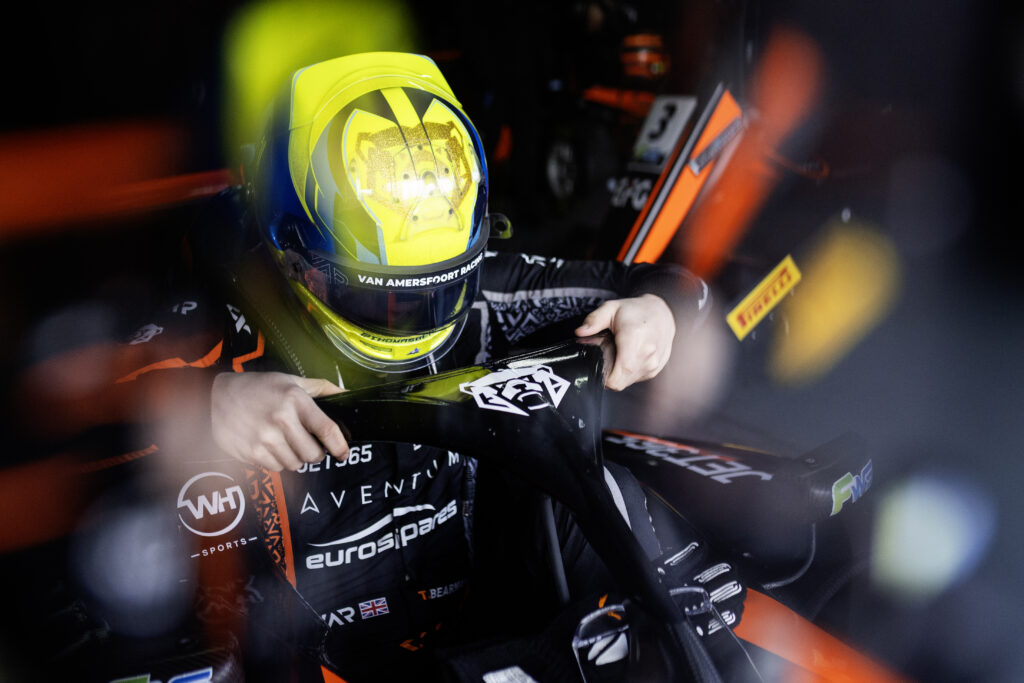
However, while results provide a public measure of progress, Bearman acknowledges that much of his development has taken place behind the scenes. In particular, adapting to a new car presented significant early challenges that required patience, persistence and trust in the process.
“And I found the change between the British F4 car and the Italian car was very difficult but [when] I started testing with these guys, I struggled a lot and I think obviously you can’t see that because it’s not shown anywhere. But I think now seeing how far we have come and the development that we’ve done together, that no one knows about really.”
Working through those difficulties has strengthened both his technical understanding and his relationship with the team. It also highlights the often unseen effort required to reach a competitive level in single-seater racing.
Belief in future success
Having navigated those early challenges, Bearman now looks ahead with a strong sense of belief. The progress achieved so far reinforces his confidence not only in his own development, but also in the team’s potential to deliver at a high level.
“But it’s really, it’s really nice to see for me and I really believe in these guys because I think just this, if we can carry on this way of development, I think we for sure will be fighting for a championship in Italy and I think we, you know, it’s nice to have the team support behind me because, you see the people that have gone through this team and it really shows what these guys can do and I have full trust in them.”
Taken together, these experiences underline the importance of environment, collaboration and perseverance in Bearman’s development. As Bearman continues his 2026 F4 campaign with Van Amersfoort Racing, the combination of growing confidence, strong team support and hard-earned experience positions him well for the challenges ahead in Formula 4.