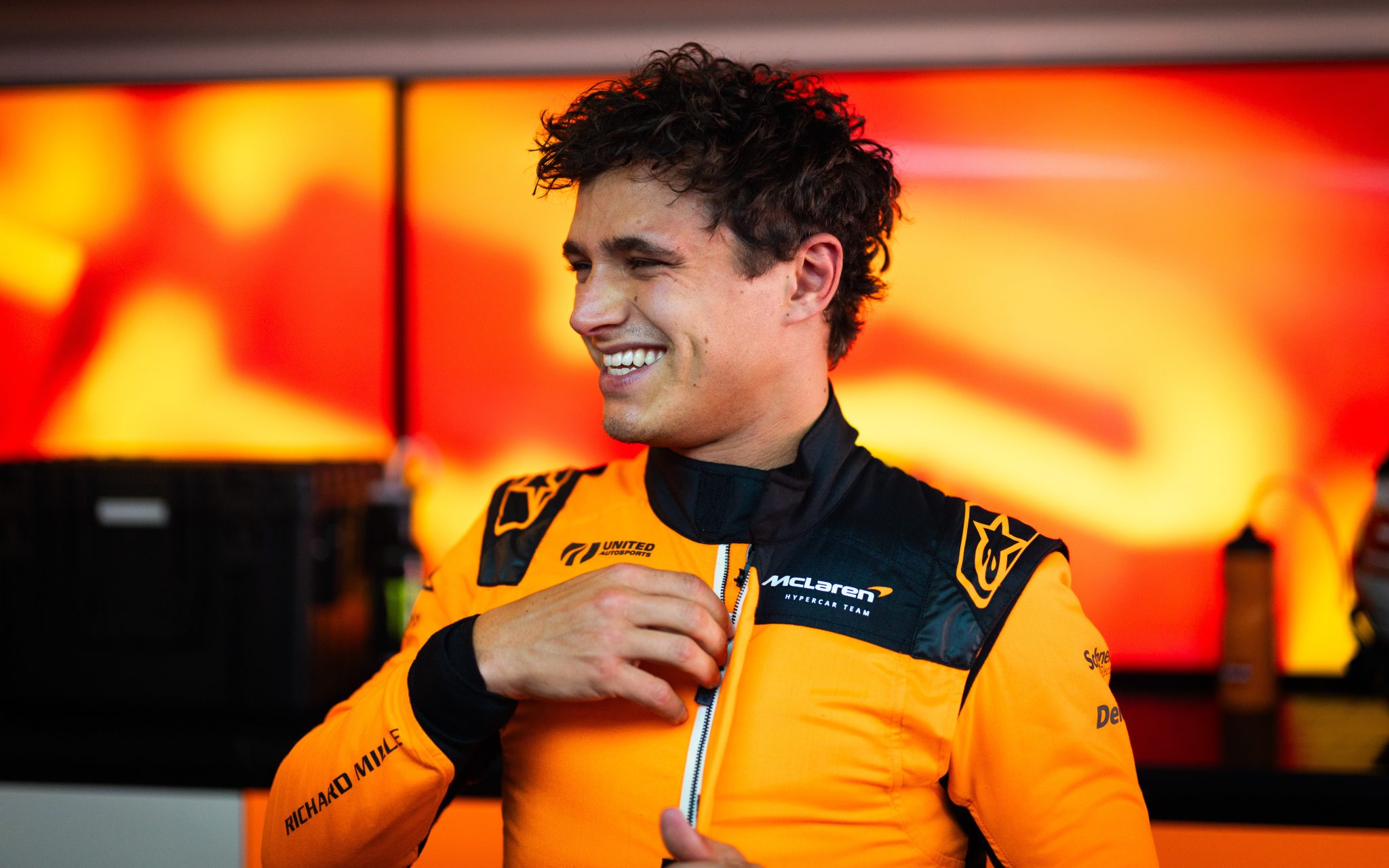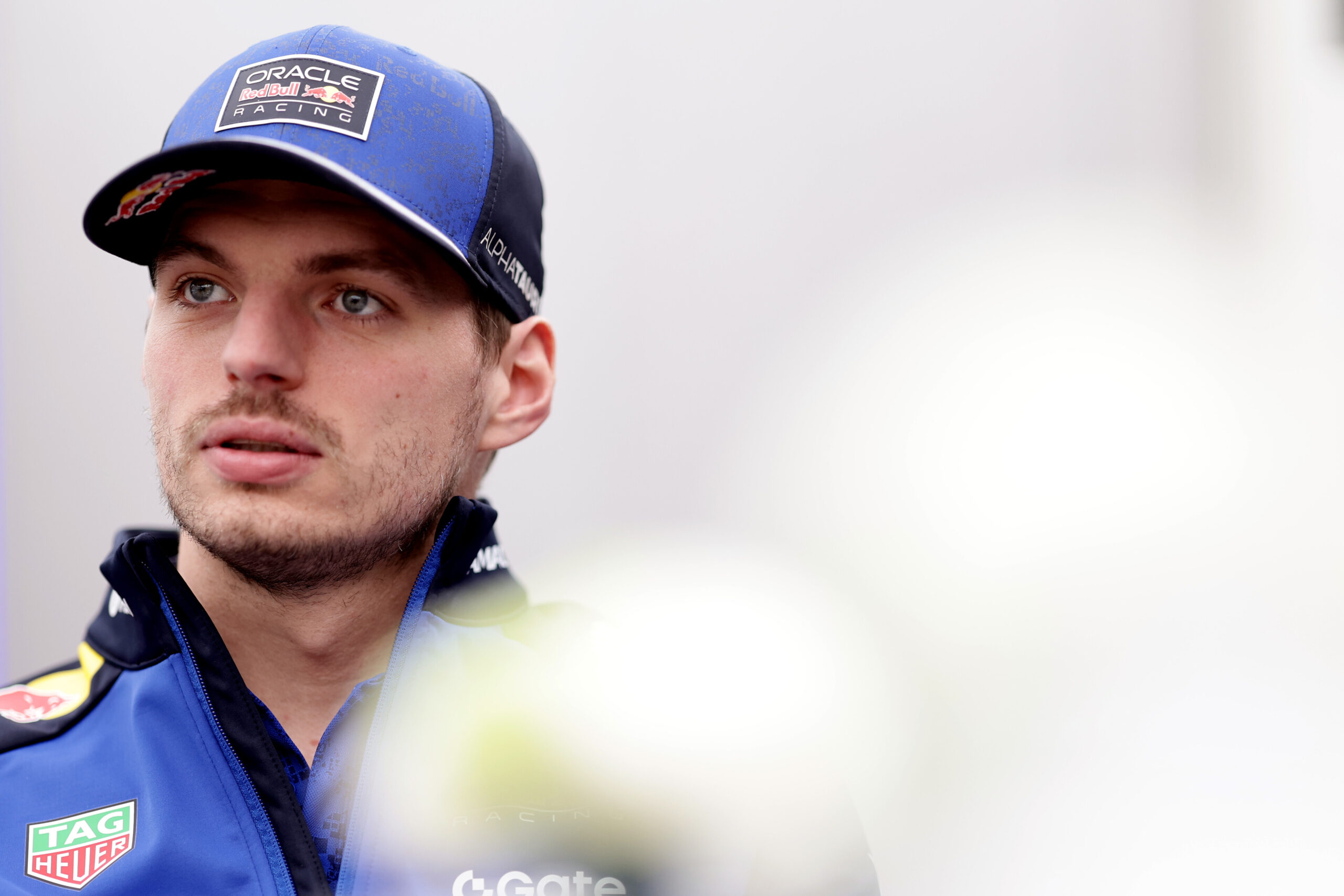
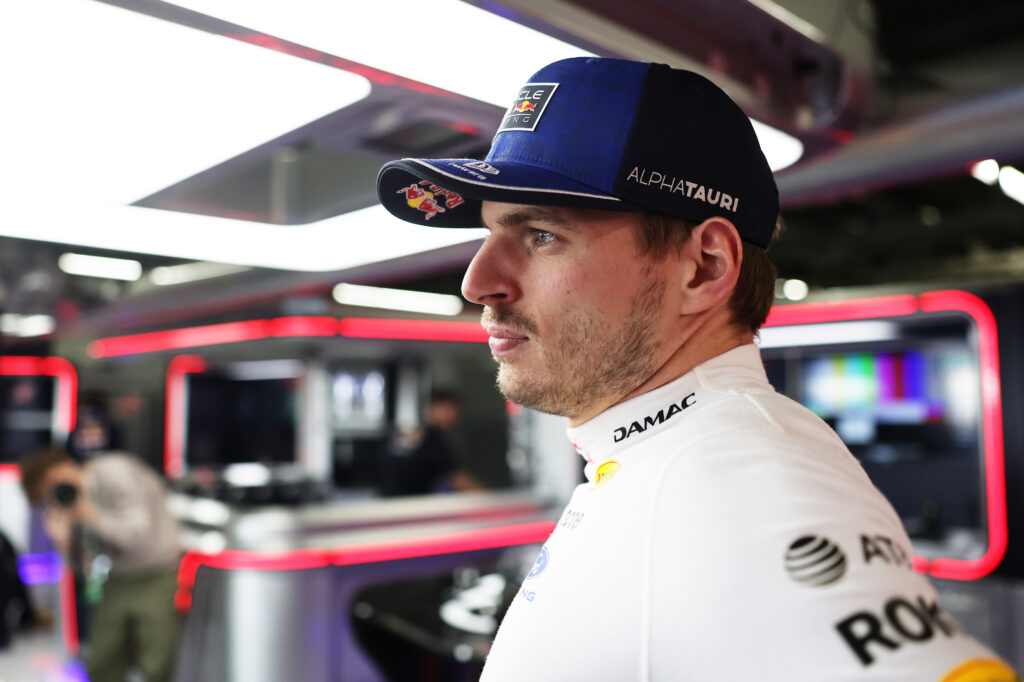
Heading into the 2026 Japanese GP this weekend, Max Verstappen has opened up about the FIA’s last-minute modification of the energy recovery limit for qualifying, how a flying lap around Suzuka would feel different in comparison to last year, and the potential of Red Bull’s latest F1 challenger.
After facing considerable difficulties with the balance of the RB22 in qualifying and only setting the eighth-fastest time in Shanghai, the Dutchman retired just ten laps from the end in Sunday’s race due to an ERS coolant failure.
Verstappen achieved clean sweeps at the Japanese GP throughout the ground effect era, securing pole position and victory in all four races at Suzuka. However, the cards are not stacked in his favour this time around, as Red Bull continue to struggle with multiple shortcomings under the brand-new technical regulations.
Verstappen’s on the FIA’s change to qualifying for the 2026 Japanese GP
The FIA has announced a last-minute change to the energy management parameters for qualifying at the Suzuka Circuit on Saturday. The power unit manufacturers unanimously agreed to a reduction of the maximum permitted energy recharge for qualifying from 9 megajoules to 8 megajoules.
F1’s supreme governing body arrived at the decision in an attempt to minimise super clipping at a track that is regarded as fairly ‘harvest-poor’ in the paddock.
The FIA said in a statement on Thursday, “To ensure that the intended balance between energy deployment and driver performance is maintained, the maximum permitted energy recharge for qualifying this weekend has been reduced from 9.0 MJ to 8.0 MJ.
“This adjustment reflects feedback from drivers and teams, who have emphasised the importance of maintaining qualifying as a performance challenge.”
Speaking in a print media session ahead of the 2026 Japanese GP, Max Verstappen shared his thoughts on whether the aforementioned tweak would be enough to restore flat-out performance and bring “real” qualifying back to F1 for the weekend.
The four-time world champion clarified that he couldn’t provide a definitive answer since he had yet to test these qualifying laps on the simulator after applying the new guidelines. Nonetheless, he hoped that this small adjustment would allow drivers to push the limits of their cars more than they were able to in the first two rounds of the season.
“Yeah, I mean, I’ve not practised this on the simulator. So, I cannot give you a clear answer.
“It was before a little bit, well, yeah, not flat out basically. So, I hope that this can be closer to being flat out.”
The impact of the 2026 F1 regulations on Suzuka as an ultimate driver’s circuit
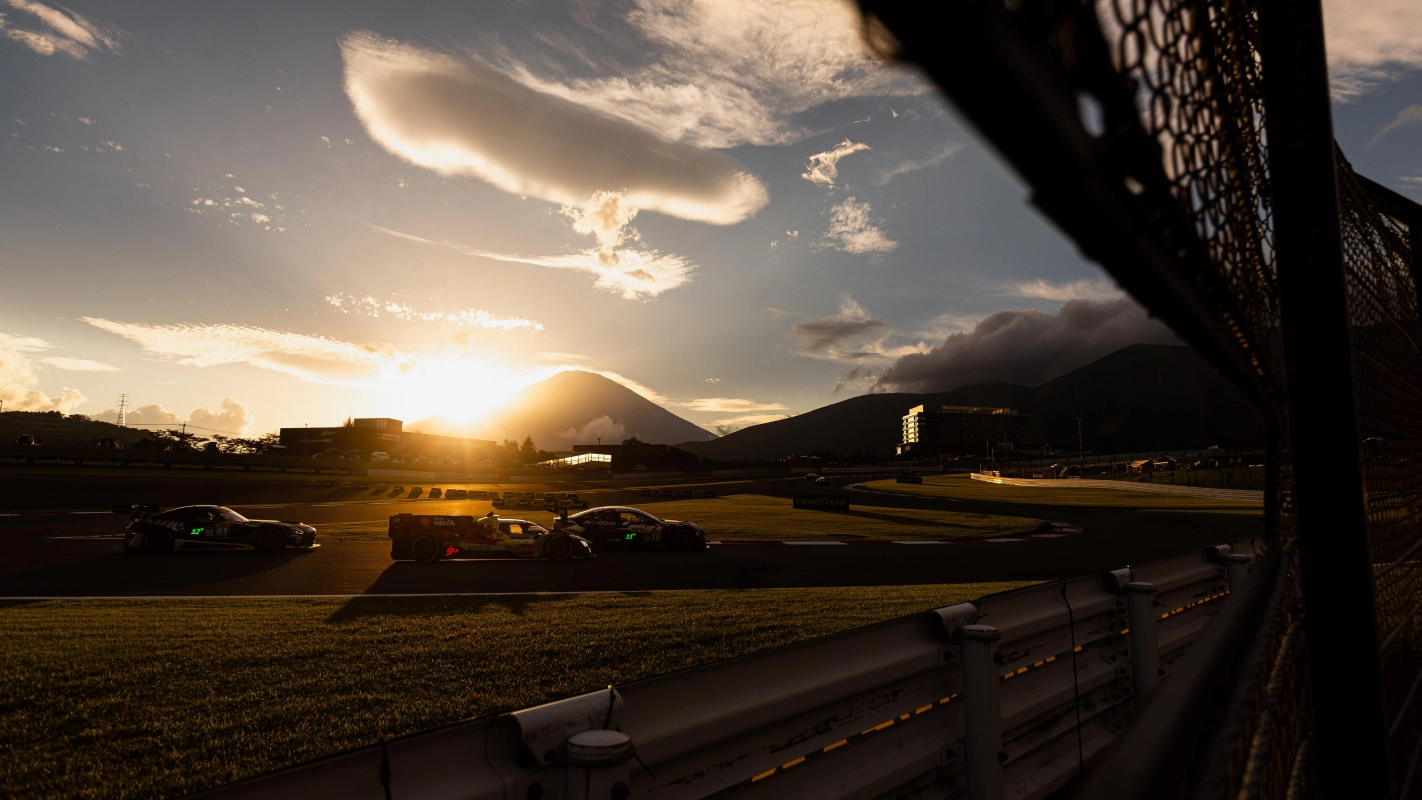
The near 50-50 split between electric and internal combustion power under the 2026 F1 regulations will impact the grip levels at the Suzuka Circuit and how drivers navigate certain corners like the high-speed ‘S’ Curves and the two tricky Degners.
In terms of how much the new energy requirements will compromise the purity of Suzuka as an ultimate driving challenge, Max Verstappen acknowledged in the lead-up to the 2026 Japanese GP that a flying lap around the 5.807 km track would feel significantly different in comparison to last season.
At the same time, the 28-year-old conceded that their hands are tied when it comes to radically revising the regulations during an ongoing campaign and called for adequate changes ahead of the 2027 F1 season.
“Yeah, I mean, of course, it feels very different to last year.
“But this is the reality that we’re in now, and you just have to accept that at the moment. I mean, there’s not much that you can do anyway for this year.
“I hope that bigger changes will be there for next year.”
Verstappen describes what a qualifying lap for the 2026 Japanese GP would be like
Elaborating on how a flying lap at the 2026 Japanese GP would feel, Max Verstappen referred to his general criticism of the new F1 regulations and added that cutting the energy recovery limit for qualifying would not make a meaningful difference since the fundamental specifications are flawed.
Noting how drivers will still have to be sensitive with their throttle input, the 71-time race winner commented that the limitations of electrical power will prevent them from going flat out in certain sections of the track, unlike the last few seasons.
“How does it feel? I mean, you know, it’s different.
“I mean, you’ll know how I, of course, think of the situation, and I think that was something that I felt when I was on the simulator as well around here.
“Yeah, going to 8 megajoules probably helps a tiny bit, but the basics are the same. So, you still need to be careful with your throttle inputs. Yeah, that is, of course, very different to the past.
“Well, you’re on the limit of what the car is allowing you to do, but in terms of power, of course, in places you’re not.”
Potential of the RB22
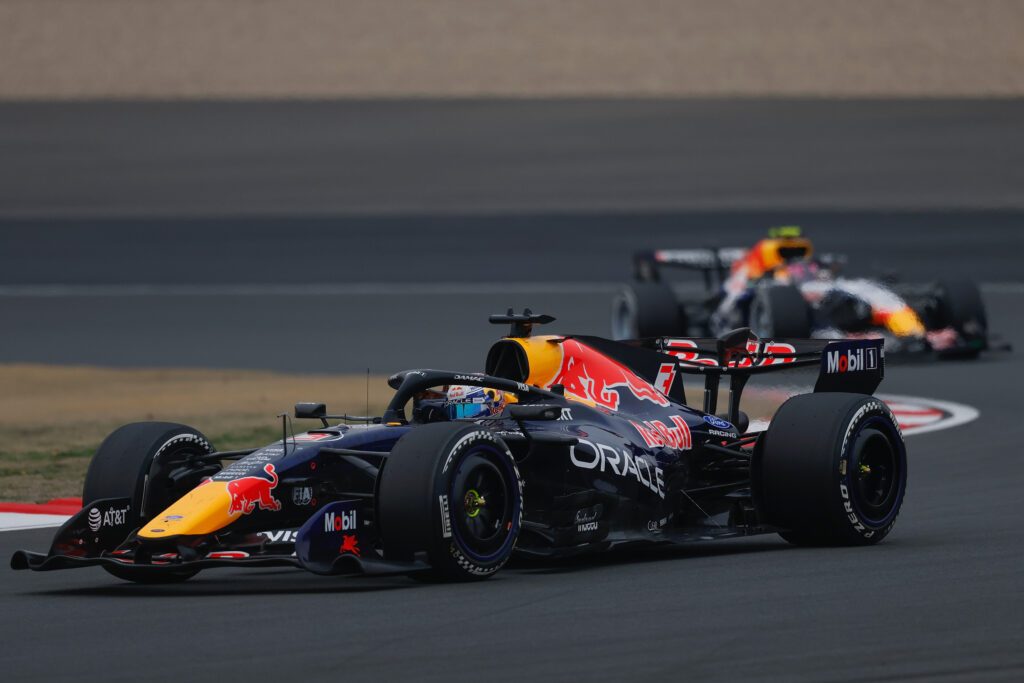
With regard to the competitiveness of Red Bull’s current package and whether the RB22 has a lot of untapped potential, Max Verstappen admitted that the technical setbacks they have encountered so far have prevented the Milton Keynes outfit from extracting the car’s full performance.
Emphasising the need to make performance gains gradually, Verstappen remarked that the one-month break they have following the Japanese GP would allow them to analyse their problems and get on top of them before heading stateside for the fourth race of the 2026 F1 season.
“Well, that’s what we are working towards. I think, yeah, like I said, there’s a lot of potential in the car. We just need to understand a few things that have been going wrong, last race for sure.
“And then, yeah, we just need to keep working, keep trying to put more performance on the car race after race.
“And maybe the little break that we have now, of course, is a good time to look back and analyse even more things. To basically try and be better in Miami.”