F1 has a serious overcrowding problem, and the calendar is paying for it. If F1 removed 5 tracks, would the calendar be easier to follow?
24 races in a season should sound impressive. It does, in theory. It sounds impressive when we think of the logistical aspects of it and how quickly these drivers are taught to adapt to new conditions. However, in practice, it means bloated seasons, burnout and a growing number of venues that have no business occupying a slot.
The conversation around which 5 F1 tracks should be removed from the calendar is one of the sport’s decision-makers have been too slow to have.
Monaco GP – Circuit de Monaco
This track is the elephant in the room. At the end of the 2024 season, a staggering 42% of fans voted for Monaco to go. This was the highest share by a wide margin. The frustration with this track is structural, not emotional.
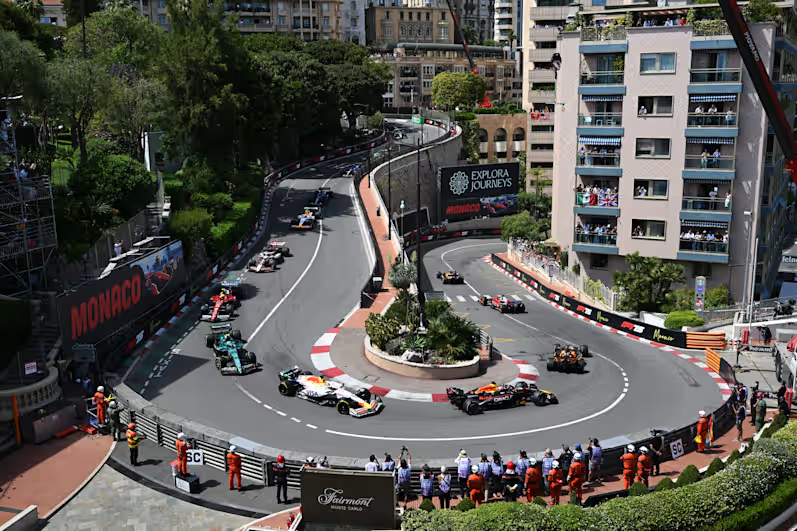
The core problem is physical. Current F1 regulations allow cars up to 3.4 meters in length and 1.9 meters in width. This makes the cars the largest and heaviest machines in the sport’s history. The circuit has barely changed since 1929. The combination of Monaco’s narrow streets and the increasing size of modern F1 cars makes overtaking almost impossible.
The track slightly widens approaching the Nouvelle Chicane. Historically, it offers the best chance of a pass but the window is tiny. The cost of getting it wrong is enormous.
In 2024, the top 10 all started and finished in the same positions they lined up on the grid. This was the first something like this had happened in F1 history. The FIA’s response was to mandate two pit stops for 2025. Even that couldn’t fully fix the problem.
The 2025 Monaco GP remained largely uneventful despite the new rule. Incidents like Racing Bulls and Williams team tactics that saw their drivers hold up the midfield battle became one of the more memorable moments. It was a reflection on how little the racing itself offered.
Monaco has history and glamour. What it does not have is racing. This is why it belongs among the 5 F1 tracks that should be removed.
Abu Dhabi GP – Yas Marina Circuit
Every season ends here. Almost every season, except the past two years, ended in disappointment because of it.
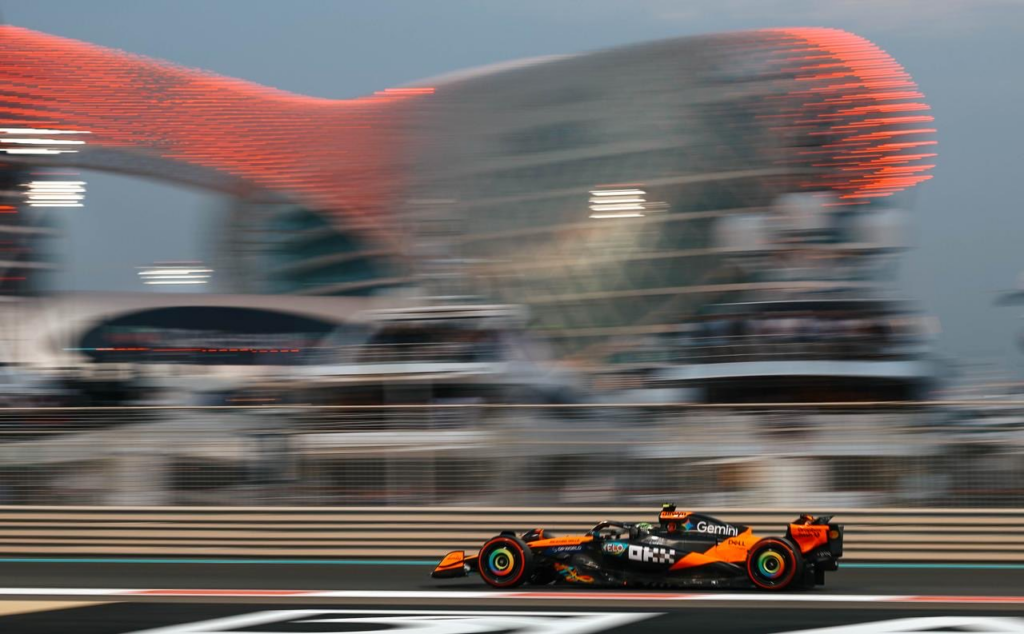
The issue is partly strategic and partly structural. The two very long straights into chicanes could theoretically create passing and re-passing. However, the pace advantage needed to complete an overtake is large enough that teams are steered toward an early pit stop on fragile tyres. This is followed by sitting on the more durable compound for the rest of the race.
There is little incentive to be creative with strategy. But, there is a lot of lose as well.
They built the circuit around the fan experience, not the other way around. Turns 5 and 6 usually eliminate an overtaking opportunity at Turn 7. While Turn 8 is a viable spot to attack, it is easy to overshoot and end up on a poor line for Turn 9.
The 2025 title decider at Abu Dhabi drew a blunt verdict. The tension came entirely from hoping there would be no mechanical failure. That is the most basic and boring kind of tension a motorsports race can produce.
Las Vegas GP – Las Vegas Circuit
Las Vegas pulled 15% of the fan vote for F1 races that should be removed.
The vast majority of the circuit, including the Strip, reopens to public road traffic every night. That means thousands of cars pass over it daily, coating the surface in oil and debris.
In dry conditions, the track keeps undoing the usual evolution of a street circuit. In wet conditions, those greasy patches become a serious safety issue. After the 2025 race, Ollie Bearman described the grip levels as the worst he had experienced in his entire career, across every category he had raced in.
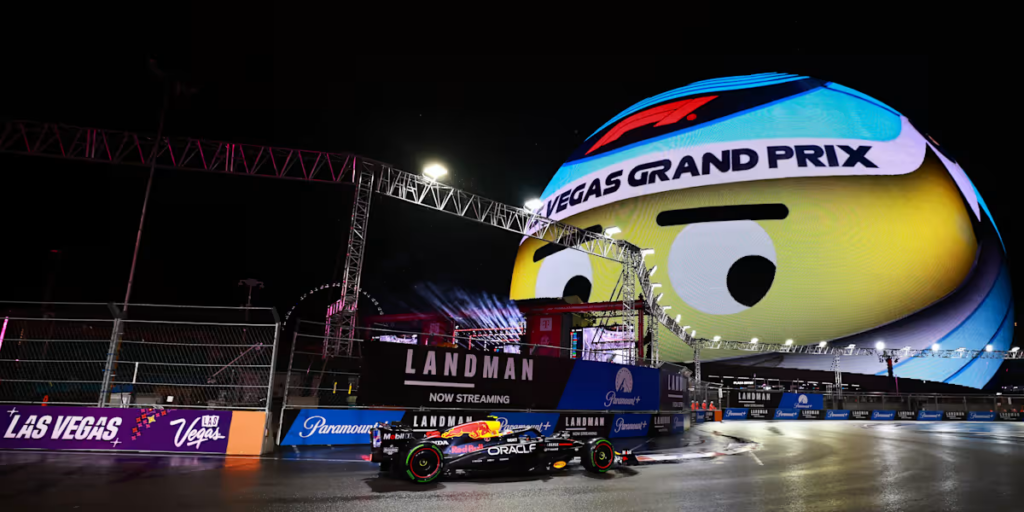
November temperatures during the 2023 race dropped to 43 degrees Fahrenheit. F1 tyres hate the cold weather, and drivers hate the lack of grip that comes with it. However, the calendar’s rigid structure leaves no room to move the race to a milder month. Due to this, Las Vegas is locked into an unfavourable weather window year after year.
The commercial reality is also one of the factors for the disdain of this circuit. Local business surveys reported mixed results. Properties along the circuit recorded strong weekends, but business further away suffered revenue declines without receiving any compensatory visitor flow.
Formula One Management promotes only the Las Vegas race on the F1 calendar. The conflict of interest does not sit well. A race should earn its place on merit, not because the rights holder needs a flagship event.
Miami GP – Miami International Autodrome
It is not unfair to say Miami’s primary purpose is being all about the show. F1 focuses almost entirely off the track, which often disappoints fans. Miami International Autodrome is a temporary track running around the parking lots of Hard Rock Stadium.
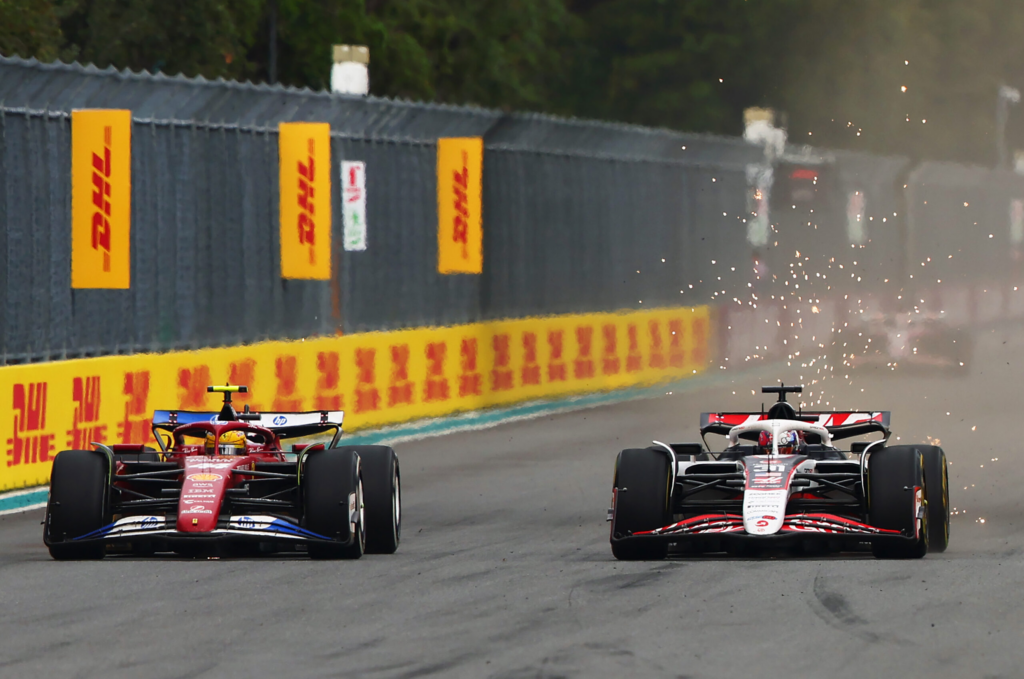
The track’s layout runs partly through the stadium’s nearby parking lots, a compromise made after earlier downtown proposals collapsed under local opposition and legal challenges. The result is a circuit that has no natural identity. It has no elevation, no iconic corners or distinctive flows.
The contrast with COTA could not be sharper. Austin’s circuit was built from the ground up with racing in mind. The distinction shows very clearly.
Barcelona-Catalunya GP – Circuit de Barcelona-Catalunya
The case for Barcelona’s removal is almost entirely structural as well. The circuit was chosen as a pre-season testing venue. The wide variety of corner types allow teams to test almost every facet of an F1 car’s performance in one visit.
Unfortunately, that is precisely the problem. Every team knows every corner, every tyre window and every aero sensitivity at a venue they have spent testing days there. This makes the race an engineering exercise completely instead of a sporting contest.
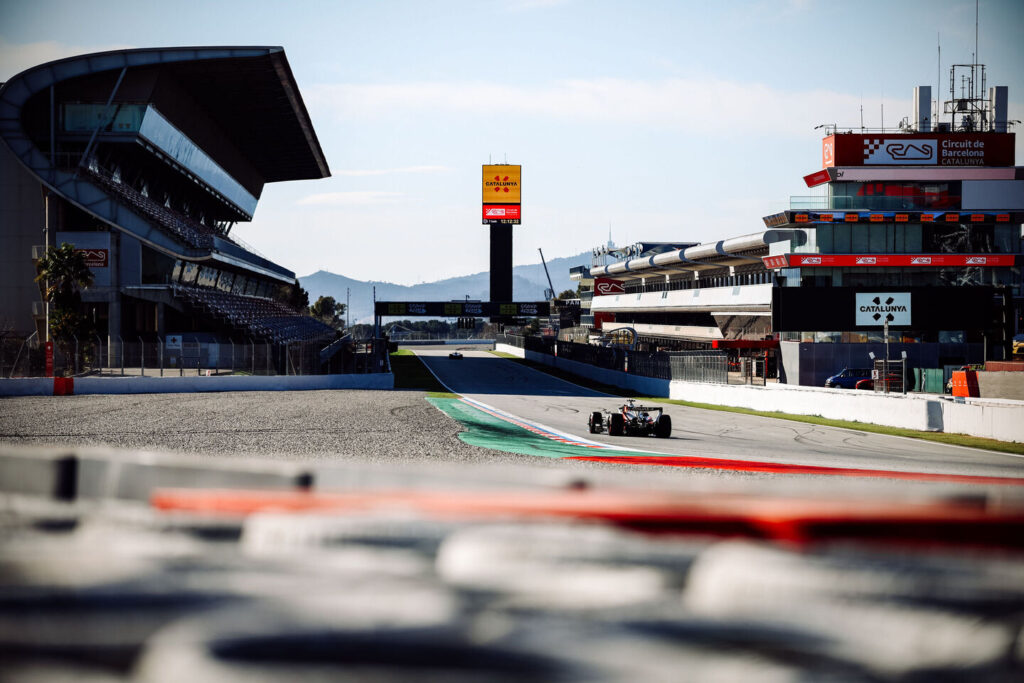
The 2026 calendar already acknowledged the circuit’s limitations by introducing Madrid as a replacement for Spain’s permanent slot. Barcelona has now signed a rotational deal that will see it appear in 2028, 2030 and 2032, alternating with other circuits under F1’s new structure for European venues.
These are the 5 F1 tracks that should be removed from the calendar. It is not because of their locations but for the respect of the sport. These tracks don’t provide real racing, which is the base of the pinnacle of motorsport. A calendar of 24 races only earns its length if each race justifies the slot.
Monaco, Abu Dhabi, Las Vegas, Miami and Barcelona in their current forms cannot make that case.