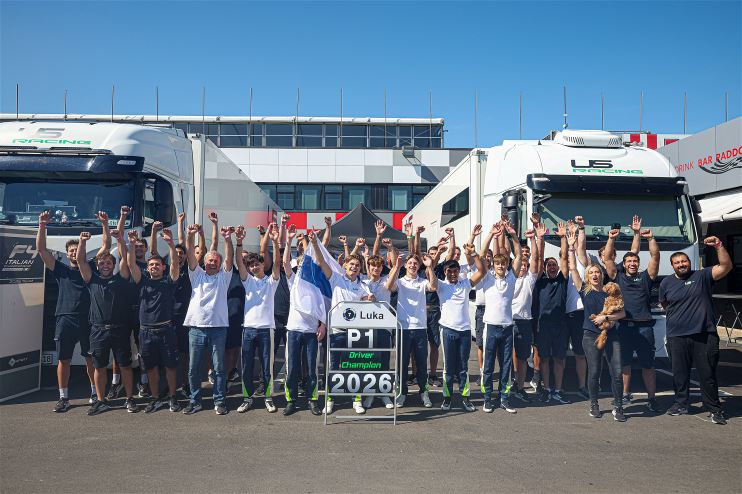
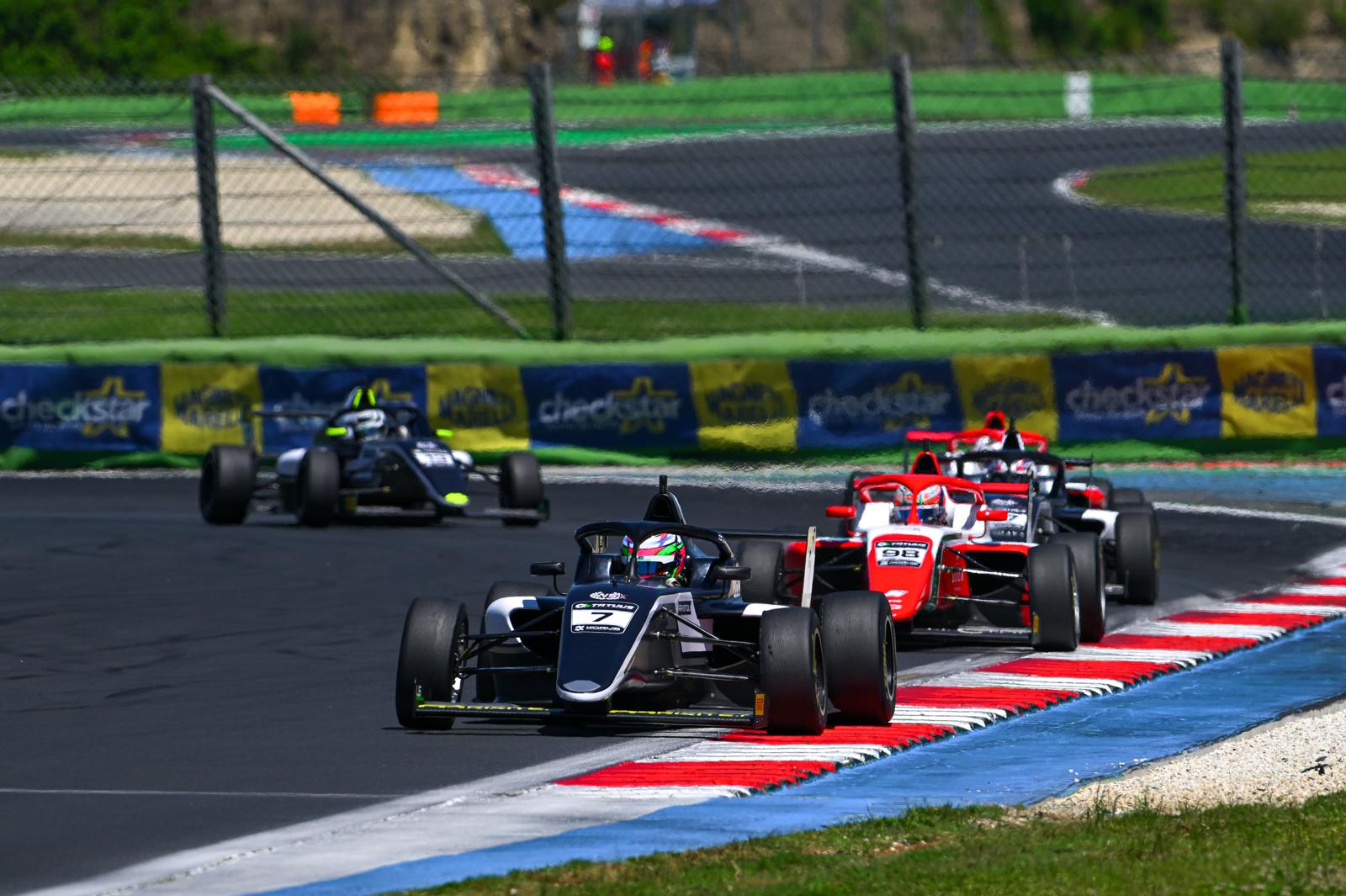
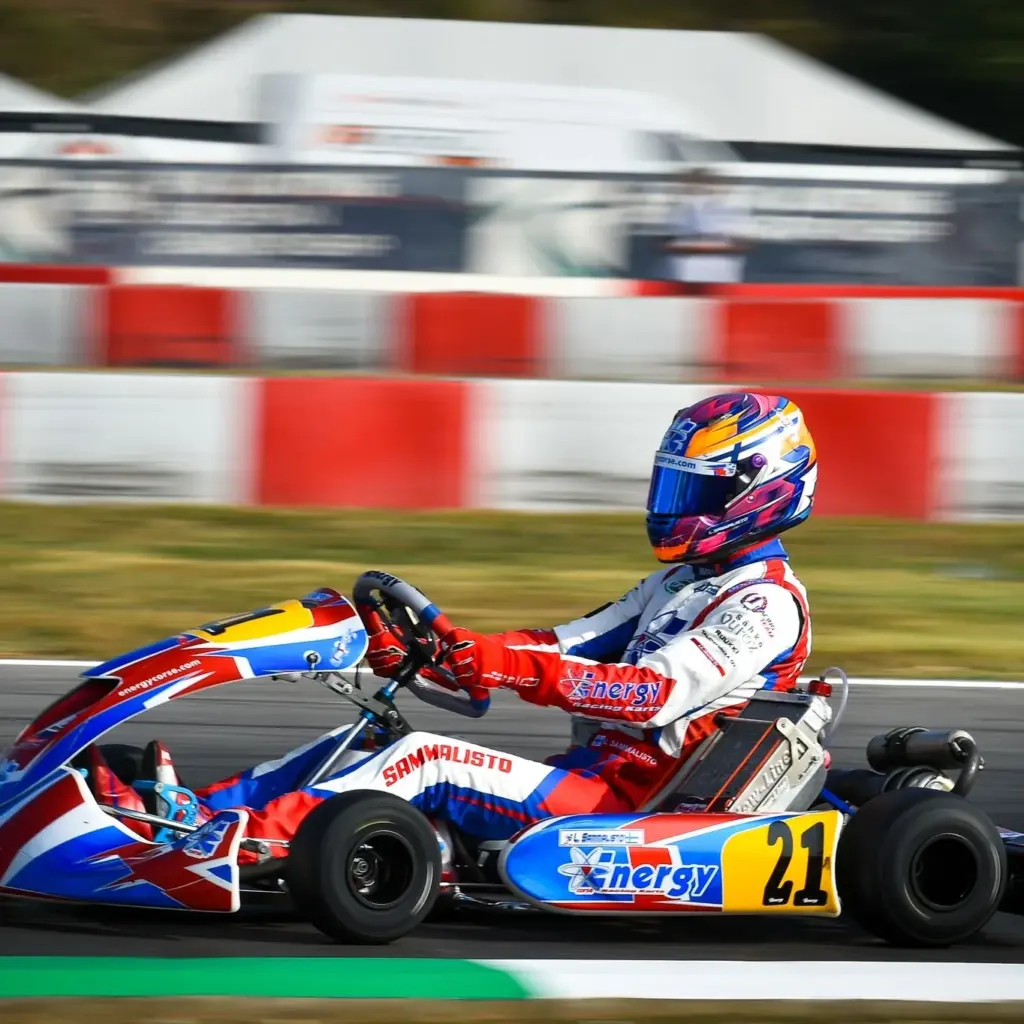
Karting gives young drivers more than their first experience of racing. It builds racecraft, discipline, resilience, and the ability to manage pressure from an early stage. For Luka Sammalisto, those lessons formed a crucial part of his development before he stepped into single-seaters.
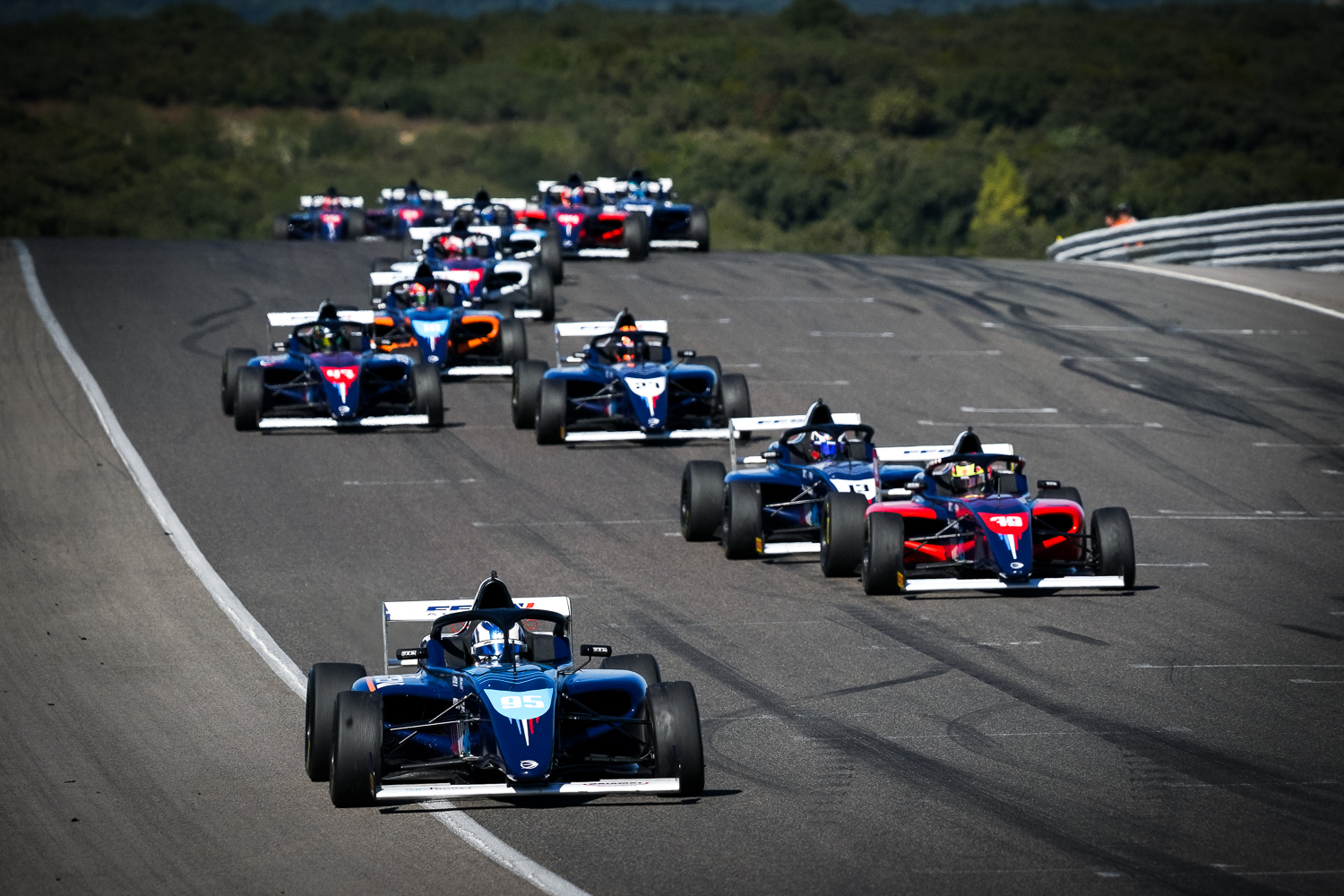
As he progressed through international karting and then moved into Formula 4, Sammalisto had to adapt to a very different racing environment. The cars demanded more physically, the race weekends required a different rhythm, and the technical factors changed how he approached battles on track.
In an exclusive interview with Pit Debrief, Sammalisto reflected on the lessons karting gave him, the mental preparation it provided, and the challenges he encountered when he made the step into Formula 4.
Karting as the foundation for a racing career
For Sammalisto, karting remains the natural starting point for young drivers. Although each career develops differently, he views karting as the place where drivers first begin to understand competition, preparation, and the standards required at higher levels.
“So I think karting, it’s really good for all the drivers just to do before [single-seaters]. I mean, I think, every career starts from karting. I think, you start to really learn things when you really start to race with the tops — tops are in the good teams — and you really start getting there and you start training.
That process also introduces drivers to the physical side of racing. As they move towards stronger teams and more competitive championships, they begin to understand how preparation away from the circuit affects performance on track.
“First of all, I think you’re trying to start the training physical side and then you really see, how things work out. Then you start to, like, driving at the international level. I think it’s quite scary for everyone who goes there for the first year.
Managing pressure at international level
Once drivers reach international karting, the pressure increases quickly. Sammalisto recognises how intimidating that environment can feel at first, particularly when young drivers want to prove themselves immediately against strong competition.
“I think it’s really good preparation, especially for the head and all the, all the stuff that you have going in your mind, because I know the starts can be a bit… you’re like a bit scared, a bit like you don’t want to be bad or you don’t want to be P25, you want to be P1,” he said, before adding, “I think it’s the same for everybody. I think it’s really, really good preparation, like I said before.
That mental challenge, however, also helps prepare drivers for the demands that follow. Karting teaches them how to handle nerves, manage expectations, and stay focused when the margins remain small.
Racecraft lessons that carry into Formula 4
Although Formula 4 cars differ significantly from karts, Sammalisto still sees a clear link between the two categories. In particular, karting helped him develop instincts around overtaking, defending, and choosing the right moment to make a move.
“And I think, on my side, I mean, of course, the formula compared to karting, it’s a bit different because the car is so much bigger and heavier and so on, goes faster and all the stuff is a bit different. But I think still, you learn, sort of, race craft also — like when to overtake, when to close the door — because more or less the racing is the same in formula.
However, he also notes that single-seater racing brings new technical limitations. Aerodynamics and dirty air affect how closely drivers can follow, which means racecraft must evolve once drivers step into Formula 4.
“Of course, I think in formula there’s less overtaking because of all the aerodynamics that we have, like, dirty air, and so on, but I think it’s really good preparation for the race craft also. I think you start to really learn things from karting. And yeah, I think the best preparation you can get for in your racing career is the international karting level.
Adapting to a different driving style
When Sammalisto moved from karting to Formula 4, he encountered a steep learning curve. The first major adjustment came through the driving style, especially because single-seaters require drivers to manage braking in a very different way.
“So, as I said before, the step is still quite big from karting to formula, and I think the main challenge that you will have is the driving style, more or less, because you will have four brakes. For example, in karting, if you drive, like, OK Senior, like every driver usually does before the formula, it’s only the rear brakes. I think you need to get used to that one.
That adjustment does not end with braking. Formula cars also introduce a much greater aerodynamic influence, which changes how drivers attack corners, follow rivals, and manage battles during races.
“And also the aerodynamics is so much more than in karting, because in karting it’s like nothing. And also the dirty air from the racing, because I think in karting there was also some dirty air, but I think in the race cars it’s really challenging in the first races when you try with formula, because the dirty air and all the aerodynamics are so much different than in karting, so you really need to get used to it.
Meeting Formula 4’s physical demands
Alongside the technical differences, Sammalisto also had to adjust physically. Formula cars place greater strain on the body, particularly across longer sessions and faster circuits.
“And I think also, in formula, you need physically to drive the car. You need to train more, especially the neck, legs, or even the whole body in the train, so you really need to be prepared.
That physical preparation also connects to how a driver manages an entire race day. Compared with karting, Formula 4 can involve longer waiting periods between sessions, which requires a different approach to focus, nutrition, hydration, and energy management.
“And it’s also so much different because you have, let’s say, two races in a day, and in karting you might have six race starts in a day, so you really need to be focused the whole day. Even if you’re driving, you need to remember all the drinking water stuff, eating right, or taking all the energy stuff. And I think, in karting, it was a bit easier, because you were always doing something. You never had a six-hour break like now we have in formula.
A more mature approach to race weekends
As a result, Sammalisto believes drivers must approach Formula 4 with greater maturity. The category requires them to plan their day carefully, rather than only focusing on the next time they climb into the car.
“So I think when you go to formula in a fast way, you need to be more adult-wise. You need to be more adult when you go there. You really need to start to think things a bit more clear, not just focus on what’s going on.
That shift places more responsibility on the driver. Even when they do not drive for several hours, they still need to keep their body and mind ready for the moment that matters.
“You need to already think in the morning to the night: you need to do this, this, and that, and you really need to be prepared the whole day also in karting. But in formula I think it’s a bit harder, because you only have two or one race in a day, so you can go to the track at eight-thirty in the morning and you have the race at five o’clock. So you really need to be prepared for the whole day, even though you are not driving.”
A foundation built through preparation and adaptation
Sammalisto’s reflections show how karting shaped both his racecraft and his mindset. It taught him how to compete, how to handle pressure, and how to manage the mental demands of racing at international level.
However, Formula 4 has pushed him to adapt further. The change in braking, aerodynamics, physical preparation, and race-day structure has required a more complete approach. Therefore, as Sammalisto continues to develop in single-seaters, the lessons from karting remain central to his progress, while the demands of Formula 4 continue to sharpen the driver he aims to become.