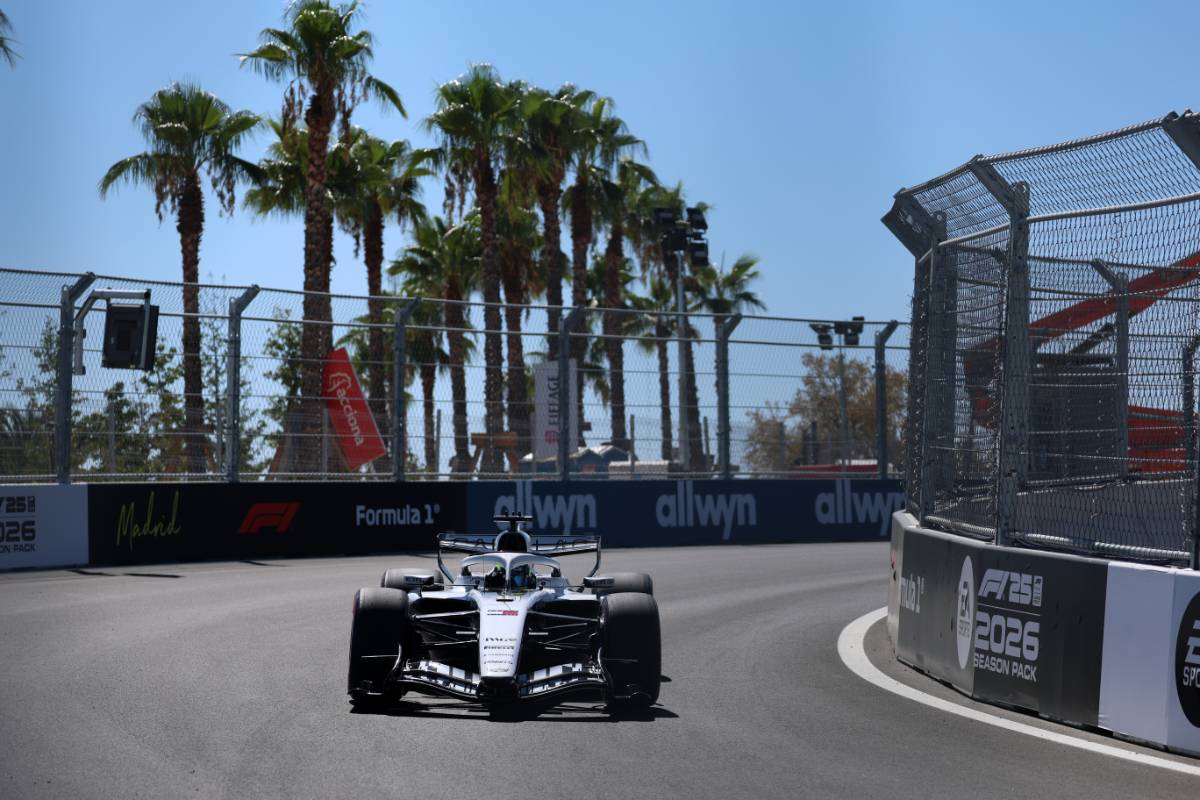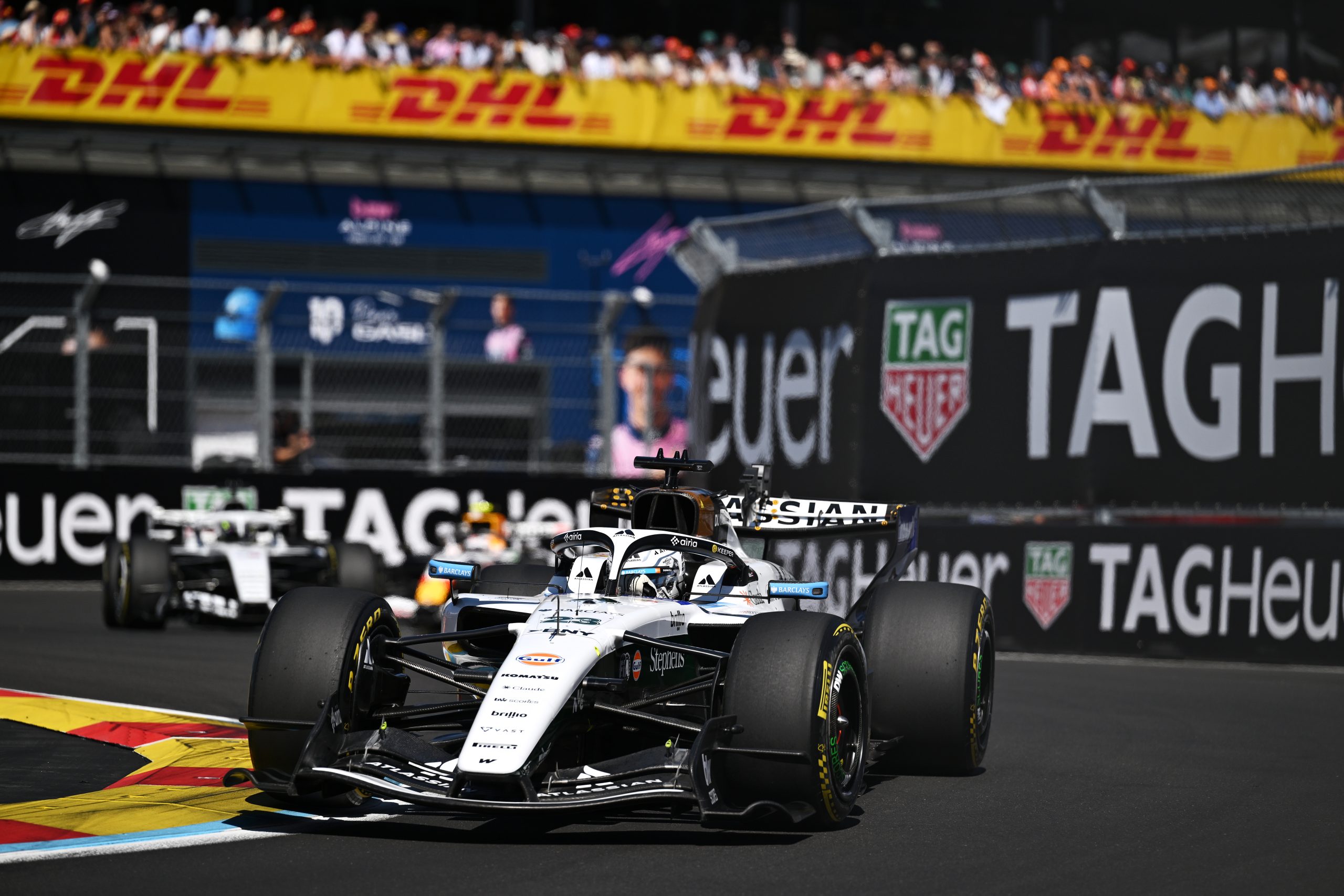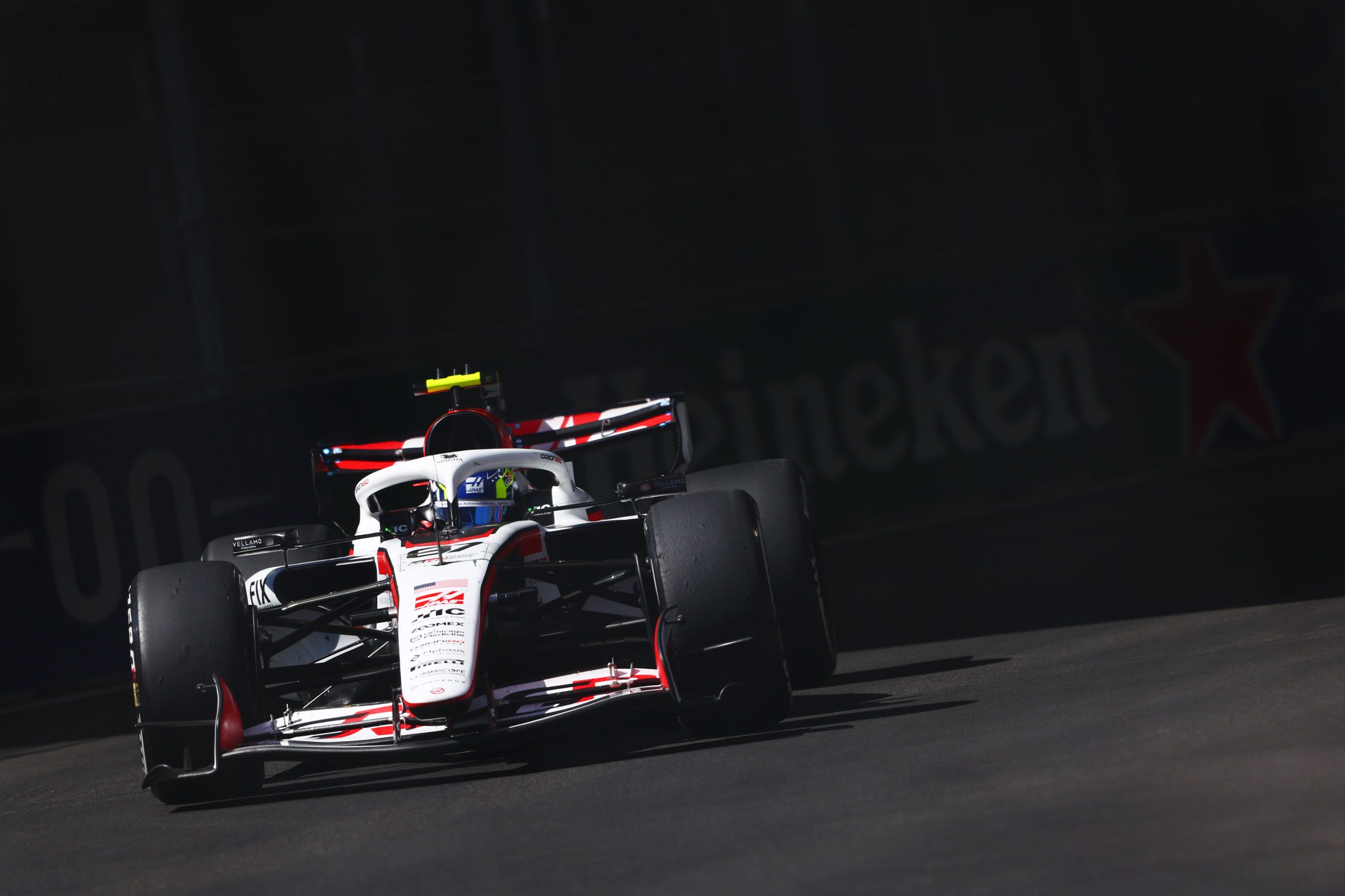
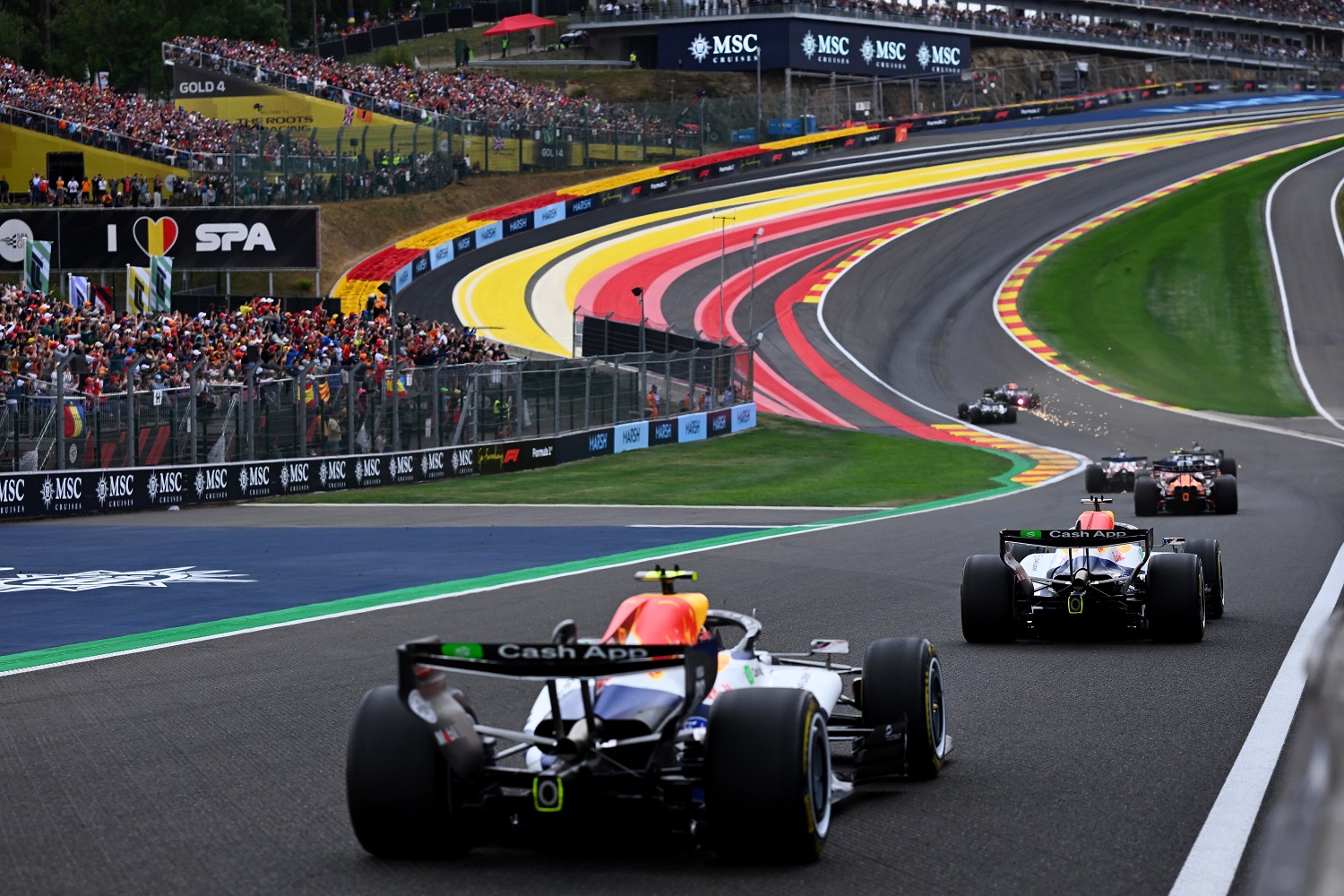
Liam Lawson has had to adjust to new style of driving due to F1 regulations, as he expands on knowing how they can balance in energy usage.
The new generation of cars needs different style of driving and racing, especially with need of energy harvesting and conservation throughout the lap, especially when in fights. The F1 drivers cannot spend everything on one straight to put themselves vulnerable for most part of a lap.
Naturally, with brand new cars and system, there are bugs that are being still worked upon, even at halfway point in F1 2026 season. It is certainly no fun, but something that everyone is trying to cope with, as per Racing Bull’s Lawson. The irritating aspect is one system triggering some other.
Lawson says rookie F1 regulations throwing different bugs at races
During the race weekend, they quickly have to adjust to the style, as it can leave them vulnerable in the races. “I mean, we had a terrible race in Spa with a lot of bugs and issues like that,” said Lawson in his print media chat in Hungary. “So that’s not super fun, honestly. But it’s part of the rookie regulations.
“It’s part of the way these cars are this year. And I think most weekends we definitely have just things like that happening at different times. It’s that. That’s the most basic sort of scenario. There’s many others that happen as well.
“There’s things that you do that can trigger a bug that happens and start to make something else a lot worse. So, yeah, it’s obviously extremely complicated. And at this point, we’re still learning even now how it all works. But as you get faster through the weekend, you start using more energy.
“And you almost have to try and pre-plan how quick you’re going to be in quali to know how much throttle you’re going to use, how much energy you’re going to use, where you’re going to need to harvest it. It’s just a bit of a nightmare.” summed up Lawson.
Lawson has to remind the brain to function as per F1 car needs
The speed drop is massive, especially on high-speed tracks like Spa-Francorchamps they visited and the upcoming one in Monza. The F1 drivers have to remind their brain to function it the way the computer demands at times, in order to have balance throughout the lap.
“Especially places like Spa,” Lawson continued. “You’re lifting, you have big clips. If you look at the quali laps, we go from 300 and whatever we’re doing, 330, down to after Turn 4, and then we drop down to 280, something like that. A big clip before we brake.
“And then as a driver, you’re going into a corner braking as late as you can, but you’re not braking from a high speed. You’ve already started your big decelerations, and brake later than you think you have to. It’s a whole new driving style, honestly.
“Telling the brain not to use a certain amount of throttle in corners because you pay the price later. [It is] extremely unnatural, yeah. It’s something that we’ve all had to develop and learn this year,” summed up Lawson, who doesn’t think it will need a lot of years to ingrain one with the new style.
Old style of driving still applicable in certain places
Despite the new style, there are a lot of old tricks of driving that is applicable still. “I don’t think so, I think at the point that you drive a car that’s a bit more normal, and you don’t have to do this kind of thing, I think you’d find that pretty quickly,” said Lawson.
“I don’t think it’s something that’s…it’s more something that we’re still trying to manage and perfect now.”
The new style of driving is lot about extracting the maximum they can driving through corners in a specific way. The straightline becomes a bit less important due to clipping.
Lawson says there is more smart driving in F1 2026 due to harvesting and energy usage
They have to use the energy smartly, which makes the corners challenging in different ways.
“It’s just really going as quick through a corner as you can in the most efficient way without using too much energy,” expanded Lawson.
“And it can be the way that…every corner’s a bit different, but even the way you come back on throttle, obviously when your wheel’s spinning, that’s really quite costly because you’re using energy and not really moving.
“So just being very smooth, managing the throttle, just being efficient in the way that you carry as much corner speed as you can, but still not spending too much energy. Getting on throttle really early can be quite punishing as well in that phase,” summed up Lawson.
Smart driving but lack of consistency is challenging as per Lawson
The major hurdle is that there is no consistency even if they can master the corners. The driving style is lot specific now on each track and even corner. He gave the example of driving around Spa-Francorchamps, especially at Turn 10.
“It’s definitely not consistent,” continued Lawson. “Sometimes you think you’re doing a really good job and then you find out that something you’ve been doing is just actually the worst for that specific corner or that specific track. It can sometimes feel a bit backwards. I think each track is quite specific as well.
“In Spa, for example, just doing bigger lifts in turn 10, for example, that would in a normal situation be good for harvesting energy, but because I dropped the speed so much, I needed so much more energy to get back to the speed I needed to be at that I ended up deploying more.
“Because of the harvest limit that you have, I didn’t actually gain anything from that lifting that I was doing. There’s many scenarios like that. You have to know exactly when you’re actually harvesting,” summed up Lawson.