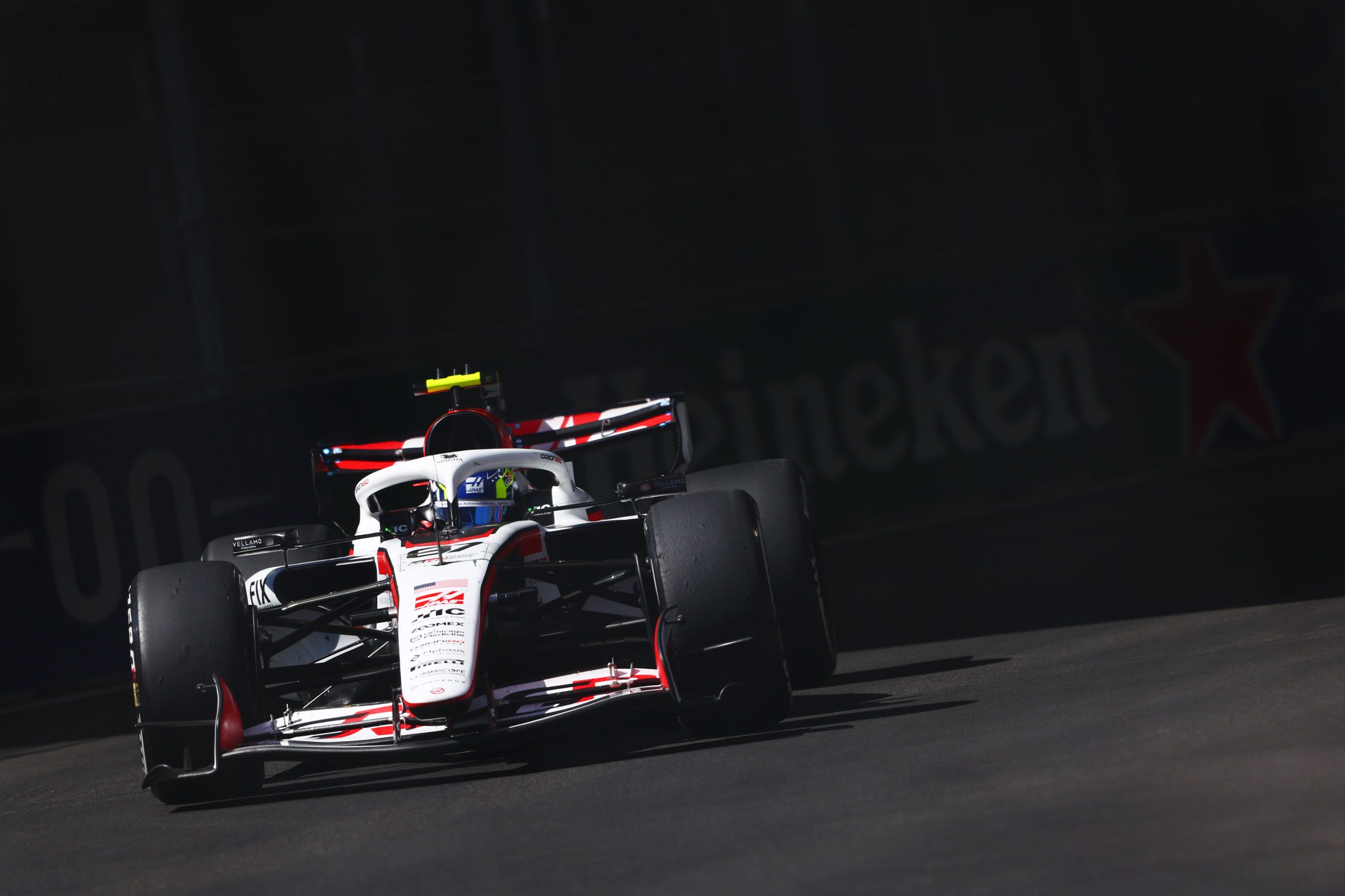
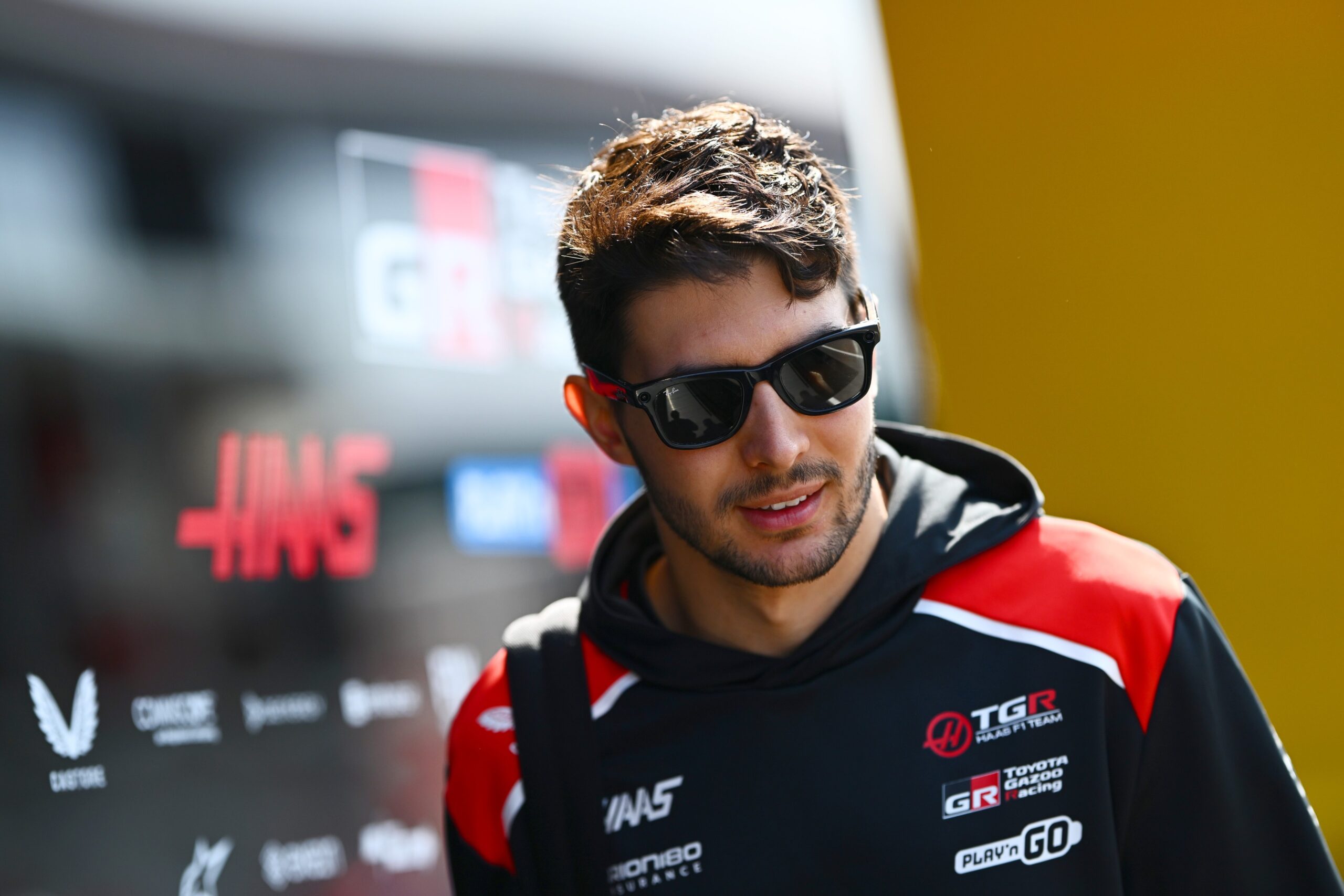
Esteban Ocon has opened up about how the 2026 F1 regulations have affected driving this year, the key areas he has adapted to since the start of the season, how hopeful he is about the 58-42 power split in 2027, the drivers’ evolving roles, why the deployment goes haywire at times, and whether he still finds the sport enjoyable.
The introduction of the new power units—featuring a near 50-50 split between the internal combustion engine and electrical energy—and chassis has undoubtedly produced more on-track action than in the past few seasons. However, the first half of the campaign also exposed F1 to major headaches concerning safety, the quintessence of qualifying, the artificial nature of racing, and the diminished input of drivers.
Impact of less downforce and energy management on driving
Speaking in a print media session ahead of the 2026 Hungarian GP weekend, Esteban Ocon shed more light on the challenges the F1 drivers are encountering this season on account of the new technical regulations.
Highlighting the noticeable lack of downforce and the impact of sliding on the tyres and lap times, the Frenchman also explained how the intricacies of energy deployment have forced drivers to modify their driving philosophies in 2026.
“One thing to adapt is obviously the car has a lot less downforce, first of all. You are sliding a lot more; you have tyre pressures that are very high. So, if you are sliding you can actually have the tyre dropping off completely even though you have less downforce.
“And then the difference also of power that you have from one corner to another. Some corners we deploy 350 kW; some corners we don’t deploy anything. It is a very different way of driving, and you need to expect it before you get to drive.
“If you take Turn 1 in Spa, you have all the power. And then you take Turns 5, 6, 7 and you have nothing until actually Turn 9. So, it is a very different philosophy of driving, where you push the entry, when you need to push the exit, what you need to prepare. It is quite different in that sense.”
Ocon’s initial misconception about the F1 regulations in 2026
Furthermore, Esteban Ocon admitted how he initially held the mistaken belief that their driving and capacity to control the deployment would allow them to make the difference under the latest F1 engine regulations in 2026.
Lamenting that software algorithms have minimised driver input, the one-time race winner also drew attention to how much the big turbos are lagging this season. He noted that the inability to go full throttle longer on the out-laps means the turbo doesn’t deliver full power to the engine.
“Then you can’t do very much. I would say on the engine side of things, I thought you could do much more of a difference with the driving style and where you actually keep your battery and where you want to deploy it and stuff. But it’s all done by the computer. So, you cannot do anything as a driver on that side.
“Also, the turbo lag is the same thing. The turbo is so big that if you are not full throttle, you do not have any turbo. So, on the out-lap, there is no clever thinking or pumping the throttle or however it was in the 80s. It’s not like that.”
How hopeful Ocon is about next year’s changes
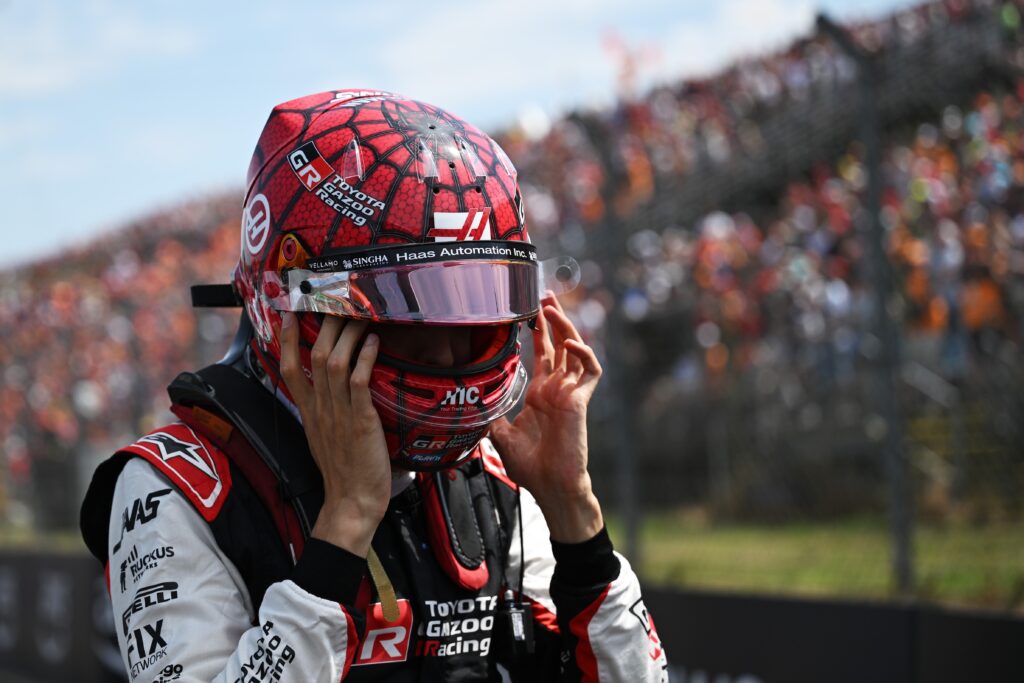
On June 10, the FIA announced that F1 and its key stakeholders have agreed to a gradual increase in power from the ICE to mitigate energy management concerns across the next two seasons, with the sport committing to a 58-42 split in 2027.
Asked if the new ruleset has taken too much power out of the drivers’ hands, Esteban Ocon responded, “Yes.”
In terms of whether this skewed dynamic between the driver and the machine would change next season with the aforementioned adjustments to the regulatory framework, the 29-year-old stated, “I hope so, but I am not very hopeful.”
With respect to whether the drivers are pressurising F1’s supreme governing body to take further action, Ocon confirmed that everyone involved is concentrating their efforts on rectifying the limitations of the 2026 regulations.
The Haas driver elaborated on how the targeted revisions the FIA had introduced ahead of the Miami GP have already made certain aspects of the sport better than they were in the first few rounds of the season. Nonetheless, he also expressed caution that they might hit a dead end at some point as far as additional changes are concerned.
“Yeah, I think everyone is pushing on that side. I think there’s been a lot of improvement, like the automatic launch, like the power reset in some zones where we do not have to manually manage the throttle. You haven’t seen lift and coast in quali for a long time now.
“Those are things that, it’s quite crazy when I say that, but it is better than when it started already.
“So, hopefully it will continue in that direction. But I think at some point we will reach limits where, you know, that is what we got. So, let’s see.”
The drivers’ evolving roles under the 2026 F1 regulations
With regard to whether a driver just waits for the car to learn how to deploy when they hit a different track each race weekend, Esteban Ocon revealed that they can now collaborate with the power unit engineers to assume a more active role in comparison to the early rounds of the campaign.
Although admitting that their laps still get compromised occasionally—especially in qualifying—due to the self-learning feature of the deployment algorithms, the four-time podium finisher conceded that it’s a frustrating experience that every driver on the F1 grid has gone through this year.
“Less and less to be honest. We did rely a lot more on the car learning what was happening in the beginning of the year.
“Now with the PU engineers we are able to actually show exactly where we want to deploy, if we want to deploy a little bit more on one straight or less.
“And it goes less wrong than it went, let’s say, earlier in the year, but it can still go wrong. We still have surprises at times, and the surprises most of the time happen at the wrong place, which is qualifying. The run that you are pushing a bit more, and that’s where it is a bit frustrating. But I think every driver that you talk to, they will have experienced that this year.”
Example of a compromised lap
Urged to elaborate on an instance where things went wrong for him during a flying lap this season, Esteban Ocon mentioned how he had carried excess speed into the two left-handers, used the kerbs into Turns 11 and 12, and thus had no power to deploy on the next straight at the Shanghai International Circuit.
Claiming that he would’ve gotten away with carrying more speed and riding the kerbs last year, Ocon expressed how frustrating it is that the new F1 regulations in 2026 can cost a driver several tenths on a lap despite them not making any major mistakes.
“For example, if you take that Shanghai, you know, double left, I did carry a little bit more speed into both of them. So, overall, it was faster, but I came off, I think, 8 or 9% of the throttle on the exit on the kerb, because I was on the kerb.
“So, last year, I would have gotten away with it, no problem. This year the power never came back into the next straight. So, you lost 3 or 4 tenths.
“Except, you know, the lap before, I would have been slower [but registered a better time overall]. So, those kind of effects happening are the ones that are frustrating.”
Why the deployment goes haywire at times and whether Ocon still finds F1 enjoyable
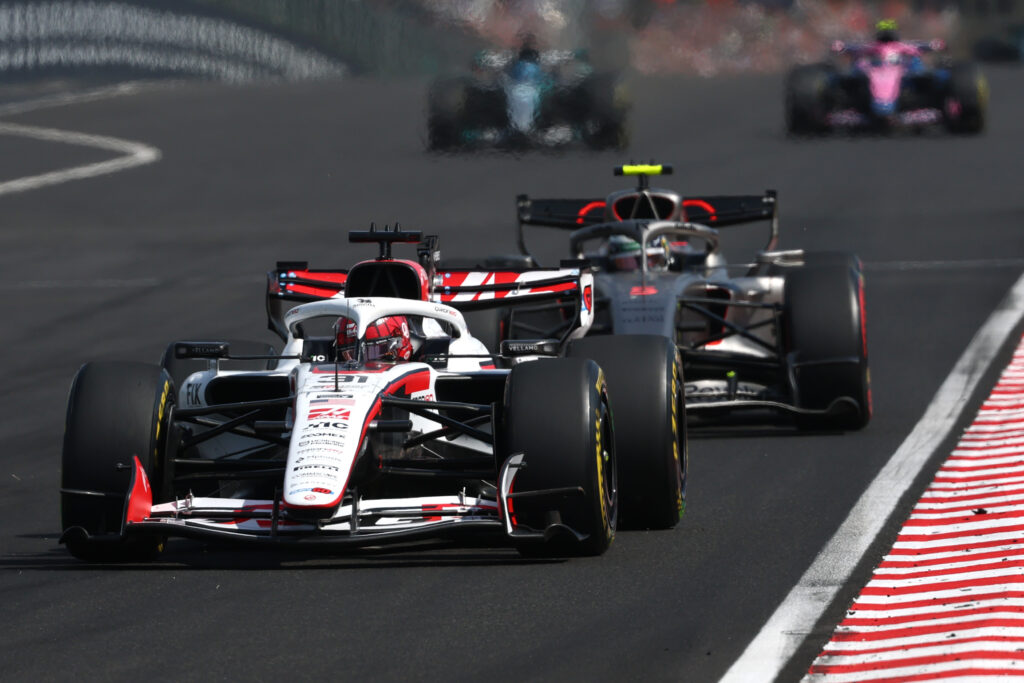
Sharing his thoughts on why the hybrid system sometimes decides to dump the battery at an inconvenient moment, Ocon argued that he would be able pull off a similar lap without losing a chunk of time in Shanghai now since the software has already mapped his previous effort.
The 29-year-old also referred to his final fast lap in Q1 at Spa-Francorchamps as yet another example of his deployment going haywire and reckoned that the additional lead weight he carries might have contributed to that.
“Yeah, the system doesn’t understand that you are basically coming off the throttle there. So, it is clipping; it goes into a weird mode or state that hasn’t been mapped before. And the regulation doesn’t allow for the power to come back.
“But I think if we went now, we would have a power reset in that zone, and then it would be okay, which is exactly what we had this year in Spa at Turn 16, you know, the fast right.
“So, it happened to no one this year, because we have a little bit more lead weight.”
Asked if F1 is still enjoyable in 2026 under the new technical regulations, Ocon maintained that the cars are still the fastest in the world despite the driving being less pleasurable than before.
“It’s Formula 1; it’s still enjoyable. It’s still the fastest car on the planet; it’s less enjoyable than it was, but it’s still the best car on Earth that exists.
“Is it still enjoyable? I still enjoy it.”