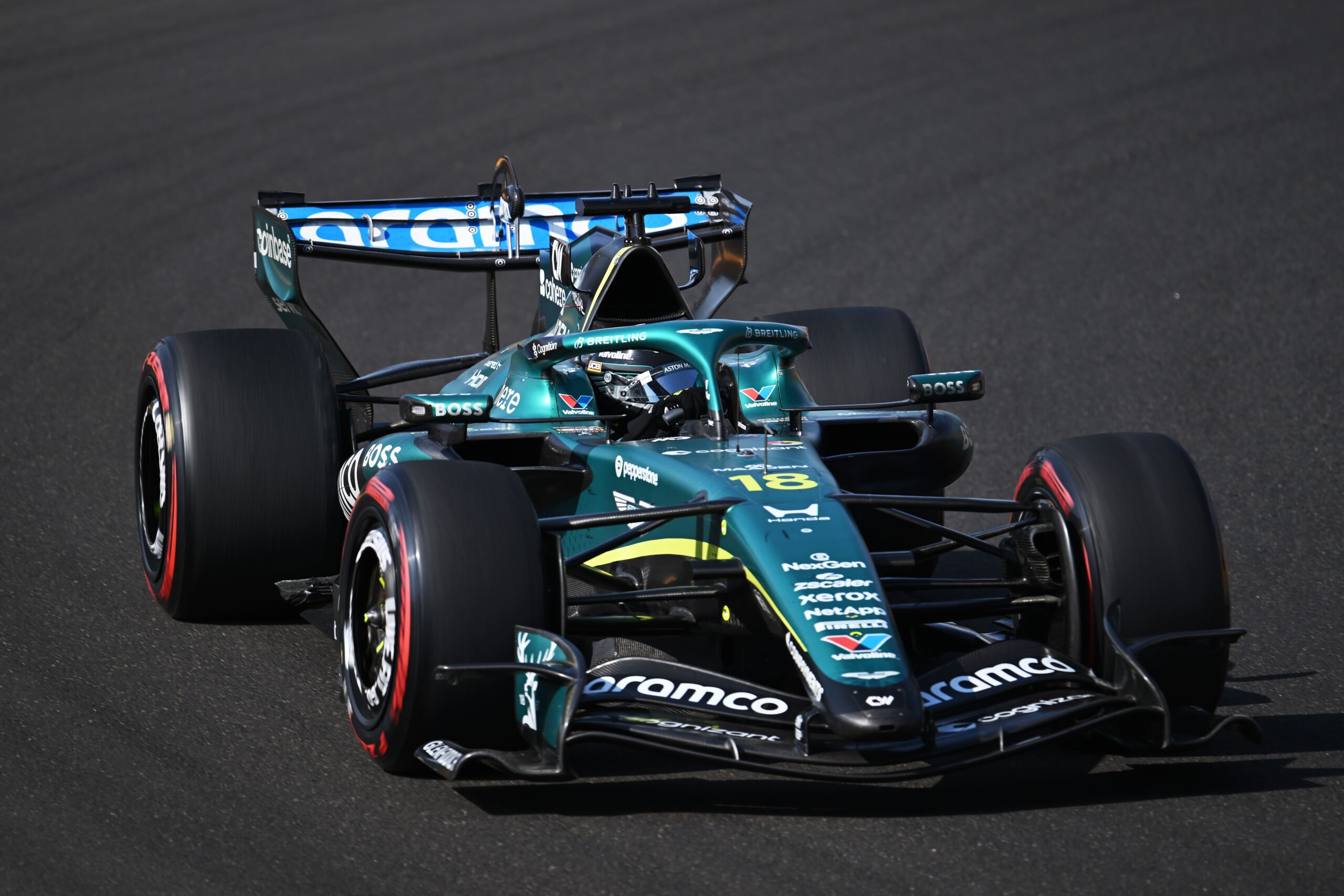
Nikolas Tombazis, Single Seater Director at the FIA, recently spoke to select media in an interview about F1’s Additional Development and Upgrade Opportunities (ADUO) system. The ADUO system has been talked about a lot this season. The system was originally designed as a safety net to help manufacturers bridge performance gaps. Now it has instead become a source of significant tension in the paddock.
Tombazis acknowledged that while the core measurements remain accurate, the system requires a structural rethink for future seasons to address ongoing controversies.
Tombazis on the complexity of F1’s ADUO system
One point of the controversy involves how the FIA measures performance gaps. Currently, the ADUO system relies exclusively on data from the internal combustion engine (ICE).
The competitive nature of Formula 1 means that teams are highly sensitive to any system that could change the ranking. The intensity of this discussion has led to suspicions that some manufacturers purposefully withheld performance during the season’s opening races to gain additional development tokens.
“Well, in F1 it seems that almost everything is quite sensitive. So it’s very rare that you get 11 teams and five or six PU manufacturers saying, ‘Fantastic, we all agree’.
“The only thing I think that everybody agrees on is that the August shutdown is a good thing, and I have to remind you that it was my idea.
“But that’s the only thing that everybody agrees on. I think everything else [is difficult]. And even that took time for everybody to agree on. You know, when Franz Tost [at the team now called Racing Bulls] was still in place, he didn’t want it.”
While the FIA asserts that its data collection is precise, the resulting rankings have caused frustration. Red Bull are unhappy with the fact that they have been ranked ahead of Mercedes. It means they cannot upgrade their Power Unit via ADUO.
“Everything is quite sensitive because everyone is so competitive and so focused on their relative position compared to the others. So yes, it has been quite a challenge.
“I think our measurement, in my opinion, has proven to be very accurate.”
Tombazis admits that the current regulations have encountered weaknesses. While the system functions as it was originally designed, the goal for the future is to make the process less time-consuming and less prone to conflict.
Tombazis understands that the current version of F1’s ADUO system is causing a distraction from racing and creates unnecessary friction between the FIA, manufacturers and teams.
“With that said, has everything worked fine? No, because obviously people are not happy and so on. Do we need to think about improvements in the future? Yes, I would say so.
“Well, I don’t think it would be convenient for you to always be below [your maximum power] just to keep getting more opportunities, because then what’s the point of opportunities if it isn’t ultimately for you to be on top?
“I think the system is working as it was designed, but I do think there are some weaknesses that we need to address in the future. Also to make it less time-consuming and less controversial, we do need to make some steps to improve it in the future.”
Balancing competition and fairness
From the perspective of manufacturers like Honda, the ADUO system provides a necessary approach for development. Shintaro Orihara, Honda’s general trackside manager and chief engineer, views the current distribution of tokens as fair. In an interview with select media, he said that the system is essential for closing the performance gap.
“I think the number we received from the FIA looks reasonable. I would say that number is fair. And also, thanks to ADUO, we are now working hard to develop our engine.
“So, at this moment, it’s difficult to say if the ADUO system is working correctly [or not]. But, at least for Honda, we have the maximum chance to develop our engine thanks to the ADUO system.”
However, there is a broader agreement that the sport must continue watching the system’s impact on all participants. The challenge remains to balance the needs of slower teams without ruining fair competition, so teams do not use the system for tactical strategies instead of genuine technical progress.
“Maybe we adjust [things after] monitoring how the ADUO system works for Formula 1. It is working well for Honda, but we need to keep monitoring how that works for all manufacturers. It should be fair. At this moment, it looks fair for Honda, but we need to keep monitoring it.”