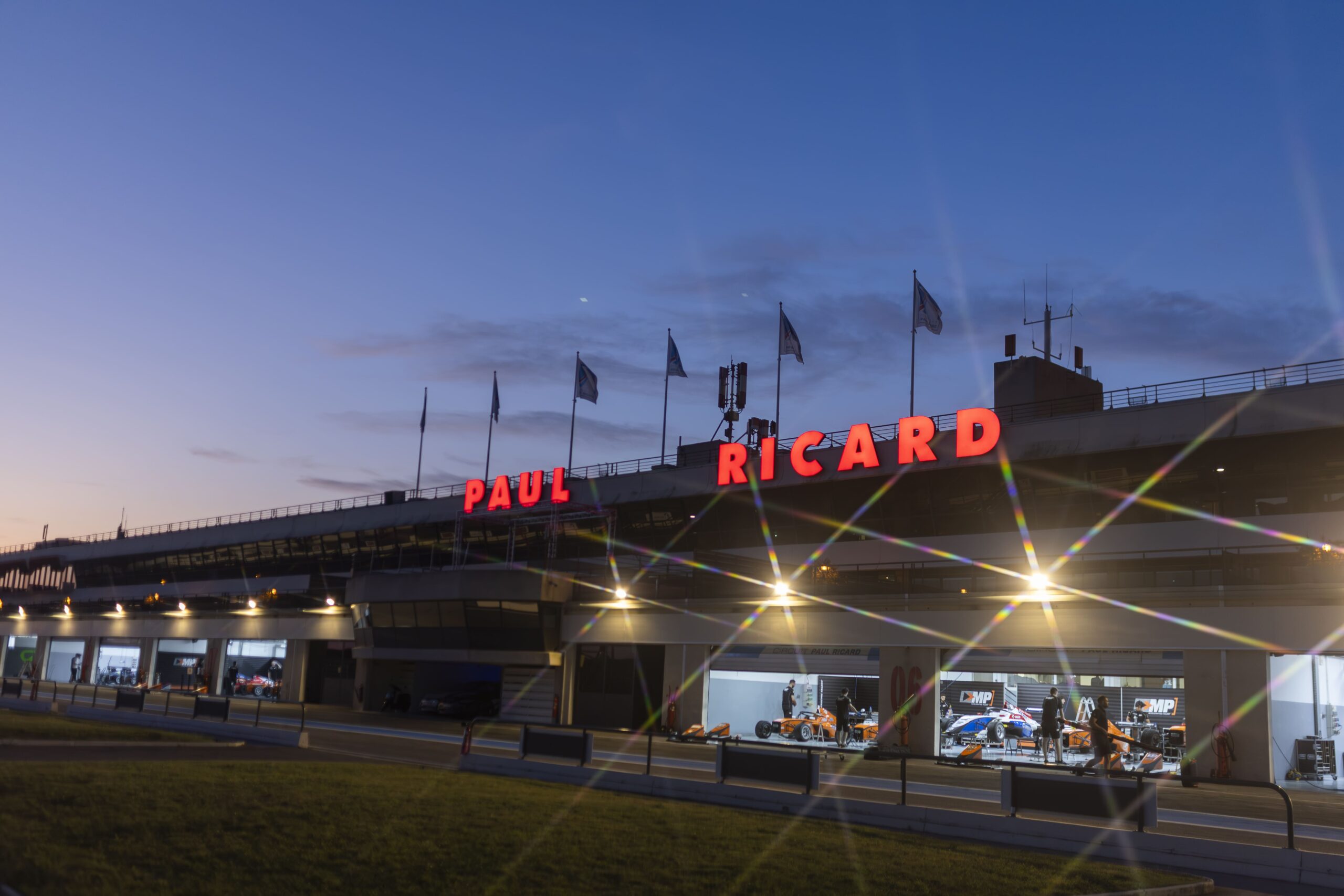
The 2026 Eurocup-3 season begins this weekend at Circuit Paul Ricard, marking the start of the championship’s fourth campaign and a new phase in its development. As the first of three rounds held alongside the European Le Mans Series, the event at Le Castellet places the series on a broader international stage while reinforcing its growing role within the single-seater ladder.
With a full 30-car grid and an increasingly competitive field, the opening round sets the tone for what promises to be a closely contested season.
Momentum carries over from winter campaign
Following an intense Spanish Winter Championship, attention now shifts to the main season. That campaign provided an early indication of the competitive order, while also highlighting several emerging contenders ready to challenge at the front.
Drivers and teams now enter the championship with a clearer understanding of both the machinery and the level of competition. As a result, the transition into the main season is expected to produce immediate on-track battles, with little margin for adaptation.
Full grid and new teams strengthen the field for 2026 Eurocup-3 Paul Ricard opener
Eurocup-3 arrives in France at full capacity, underlining the championship’s continued growth. The presence of 30 cars reflects both strong demand and increasing confidence in the series as a development platform.
A key storyline for the opening round centres on the arrival of four teams making their full-season debut: Hitech Grand Prix, Double R Racing, TC Racing and Tecnicar. All four organisations gained valuable experience during the winter series and now step into the main championship aiming to establish themselves against established front-runners.
Consequently, the competitive depth across the grid increases further, with both experienced teams and new entrants capable of influencing results.
Lundqvist returns to the spotlight
One of the most notable additions to the grid this weekend is Linus Lundqvist, who joins Double R Racing for the season opener. His return marks a move back to European single-seater competition following an eventful period in American open-wheel racing.
Lundqvist most recently competed in the IndyCar Series with Chip Ganassi Racing, where he secured two podium finishes and claimed Rookie of the Year honours in 2024. Despite that strong campaign, he did not retain a seat for 2025, prompting a shift in focus back to Europe.
Importantly, his return also reunites him with Double R Racing, the team with which he previously won the BRDC British Formula 3 Championship. That familiarity could prove valuable as he adapts quickly to the demands of Eurocup-3.
His broader track record further underlines his potential impact. He dominated the 2020 Formula Regional Americas Championship before securing the Indy Lights title in 2022, demonstrating both consistency and race-winning capability across multiple categories.
Therefore, Lundqvist enters the weekend as a driver to watch, combining experience with a clear objective to rebuild momentum and re-establish himself at the front of the field.
2026 Eurocup-3 Paul Ricard weekend format and schedule
The Paul Ricard round follows an expanded format due to its integration with the European Le Mans Series, adding an additional layer of complexity to the weekend.
Running begins on Friday with two official pre-season test sessions, allowing teams to refine their setups. Later in the day, both qualifying sessions take place back-to-back, placing immediate pressure on drivers to deliver strong single-lap performance.
Saturday features Race 1 in the early afternoon, followed by the Sprint Race, which introduces a reversed grid element and increases overtaking opportunities. The weekend then concludes on Sunday with Race 3, completing a demanding three-race schedule.
This format rewards consistency and adaptability, as drivers must manage both qualifying execution and race performance across multiple sessions.
Paul Ricard: A circuit of contrasts
Circuit Paul Ricard presents a unique technical challenge, combining high-speed sections with precise, technical corners. The full Grand Prix layout measures 5.842 km and includes 15 corners, requiring a well-balanced car setup.
The Mistral Straight remains one of the defining features of the circuit, creating key overtaking opportunities under heavy braking. Drivers must carefully manage slipstreaming and braking stability, particularly into the chicane and subsequent corners.
At the same time, the final sector demands precision and control. A sequence of slower corners rewards traction and consistency, often proving decisive for lap time and race outcomes. This contrast between flat-out sections and technical segments forces teams to strike a compromise in setup.
In addition, the circuit’s wide layout and expansive run-off areas encourage drivers to push the limits, increasing the likelihood of close racing throughout the field.
A new generation takes centre stage
With the previous champion moving on to the next step in his career, the 2026 season begins without an established benchmark at the top of the standings. As a result, the spotlight shifts to a new generation of drivers aiming to define the championship.
While several contenders have already shown promise, the opening rounds will play a key role in establishing the early hierarchy. Consequently, consistency and adaptability will become defining factors in the title fight.
A defining start to the 2026 Eurocup-3 season at Paul Ricard
The opening round at Paul Ricard represents more than just the beginning of the calendar. It marks a key moment in the championship’s evolution, as Eurocup-3 continues to expand its presence alongside major international events.
With a full grid, new teams entering the field and a high-profile return adding further intrigue, all elements are in place for a competitive and unpredictable start to the season.
As the lights go out in Le Castellet, the fight to establish the next Eurocup-3 champion officially begins.