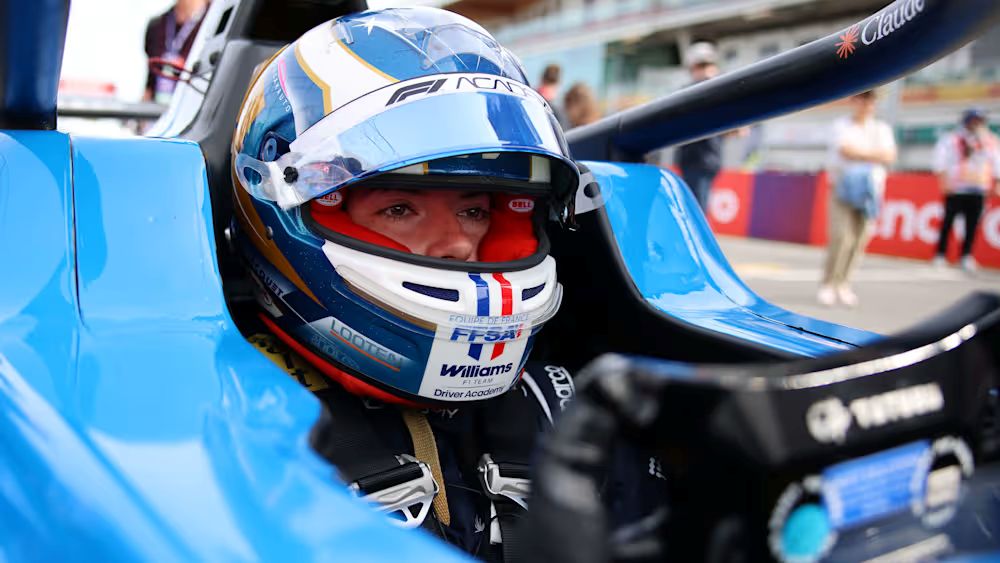
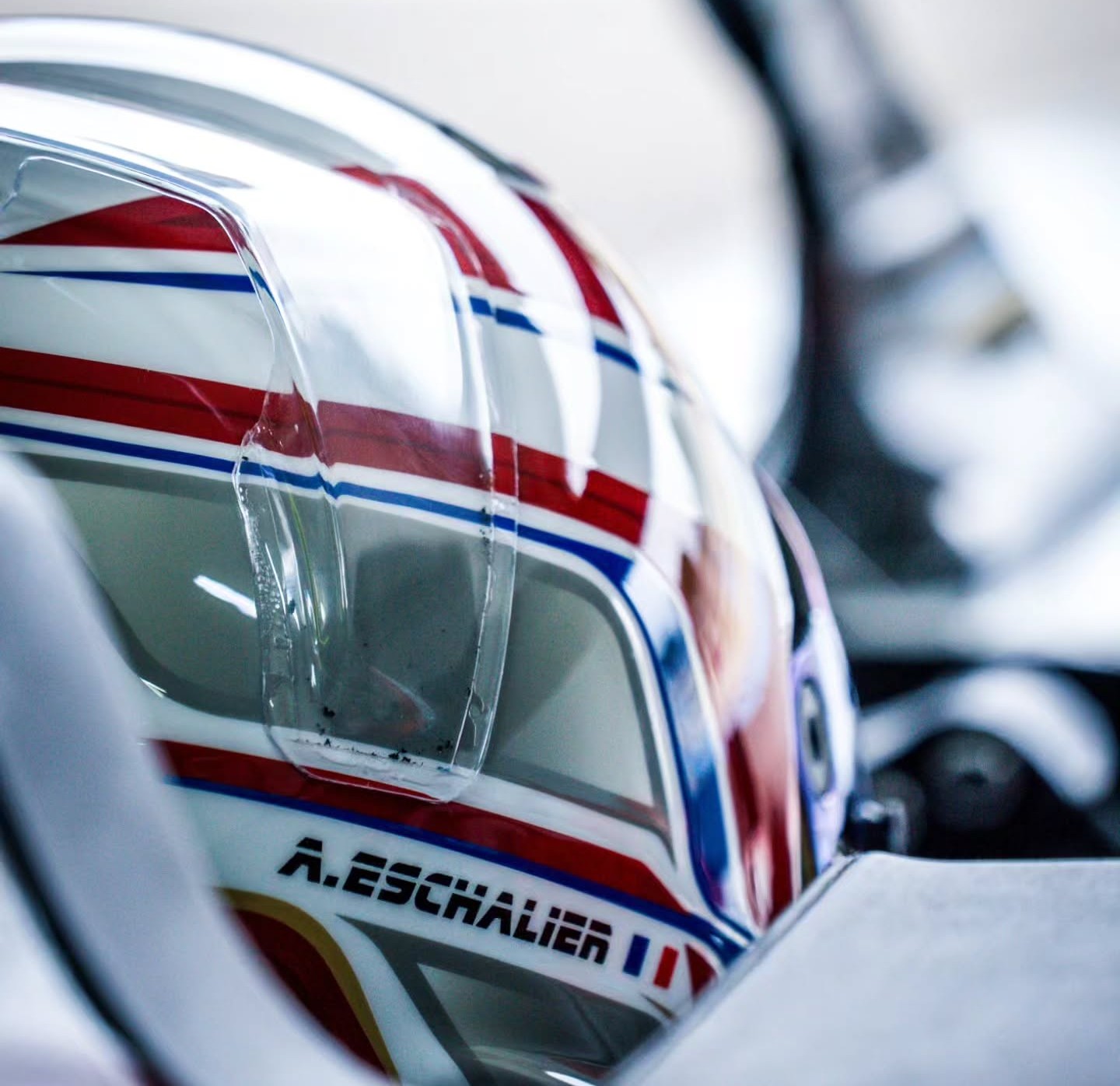
Arthur Eschalier understands the scale of the journey ahead as he develops through French F4. Formula 1 remains his preferred destination, but the growth of IndyCar, endurance racing and the FIA World Endurance Championship gives young drivers several possible routes towards a professional career.
However, Eschalier refuses to let distant ambitions distract him from his immediate responsibilities. Rather than planning every stage of an unpredictable career, he wants to concentrate on his current development, improve throughout his Formula 4 campaign and allow future opportunities to emerge from that work.
In an exclusive interview with Pit Debrief, Eschalier discussed his long-term ambitions, the sacrifices his parents have made, his determination to protect his identity and the pride he feels as part of a new generation of French drivers. He also reflected on the influence of Max Verstappen and explained why versatility matters more to him than the age at which a driver begins racing.
Formula 1 remains the preferred dream
Like many young drivers, Eschalier views Formula 1 as the ultimate destination within single-seater racing. The championship represents the highest-profile level of the discipline and remains the career he would choose if he could determine his future.
Nevertheless, he also recognises that motorsport offers several prestigious alternatives. IndyCar, the FIA World Endurance Championship and other professional categories can provide meaningful careers for drivers who develop beyond Formula 4.
“If we take Formula 1, IndyCar, WEC, or whatever, I think it’s a dream for a lot of drivers, of course. I know it’s going to be very hard to reach those categories, so I need to train a lot for that. That’s why it’s also my goal, but I prefer focusing on the process and doing the work rather than looking too far ahead, because that door is not right in front of me yet.”
Eschalier does not dismiss the ambition of reaching Formula 1. Instead, he places it within a realistic understanding of how difficult the climb through motorsport can become.
Focusing on the work in front of him
Although Formula 1 remains the dream, Eschalier is careful not to let it dominate the way he thinks about the present. His immediate focus is on becoming better in French F4.
“For me, if I can choose my career, I would go to Formula 1, see what happens, and just do my best.”
That ambition gives him direction, but it does not change the importance of the current season. At this stage, every race weekend, debrief and learning opportunity matters.
“But that’s not the question I’m focused on right now. I prefer to concentrate on my work in Formula 4 this season, and after that, I’ll see what happens.”
For Eschalier, the long-term destination remains important, but the daily process carries greater relevance. Training, preparation and continued improvement will determine which doors eventually open.
The process takes priority over the destination
Although Eschalier holds clear ambitions, he does not want them to create unnecessary pressure during his first season in single-seaters. His current priority remains French F4, where every qualifying session, race and technical debrief contributes to his development.
By concentrating on the work directly in front of him, Eschalier can build the skills required for higher categories without allowing distant expectations to overshadow the progress he needs to make now.
That approach also reflects the way he defines success. Rather than judging his season only through victories or podiums, he wants to finish the year as a more complete driver than he was at the opening round.
The long-term destination therefore remains important, but the daily process carries greater relevance. Eschalier knows that training, preparation and continued improvement will determine which doors eventually open.
His parents carry the greatest sacrifices
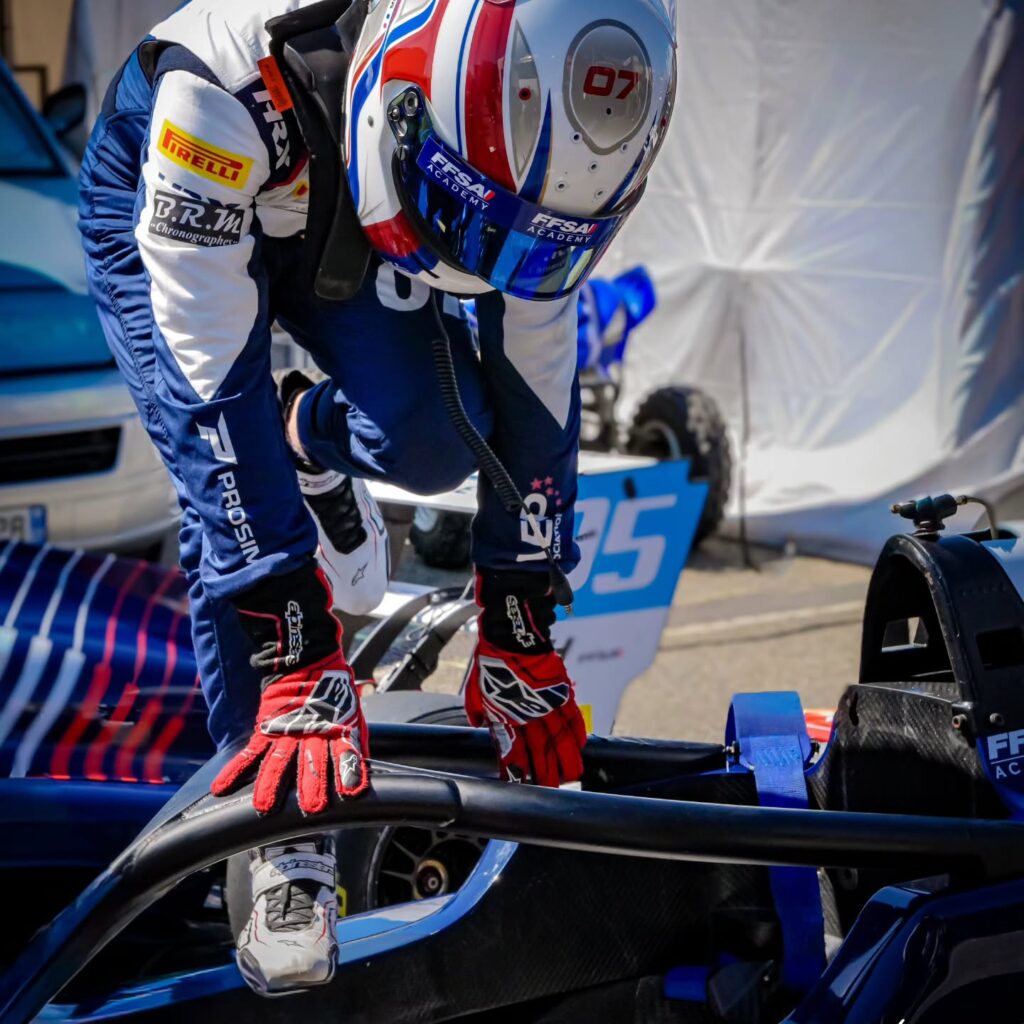
Motorsport demands significant commitment from young drivers and their families. Training, travel, relocation and financial responsibility can reshape everyday life long before a driver reaches the professional ranks.
However, Eschalier does not view his own commitment as a sacrifice because racing allows him to pursue something he loves. Instead, he points towards his parents, who changed their lives and moved away from relatives and friends to support his development.
“About sacrifice, I don’t get asked a lot about this. If we talk about sacrifice, I don’t feel like I’m the one making all the sacrifices — it’s more my parents. They left our family and friends for me because we moved to Le Mans and also to Port-France.
“I did leave my friends, of course, but it’s not a problem for me if I’m doing what I love. I love what I do, so it doesn’t feel like a sacrifice. In my case, it’s more my parents who are making those sacrifices.”
Although Eschalier also left familiar people and places behind, his enjoyment of racing gives those changes a clear purpose. His parents, meanwhile, carry much of the responsibility that allows him to continue competing.
A journey shaped by the whole family
That family commitment has shaped every stage of Eschalier’s development. His move towards Le Mans and the structure around the FFSA Academy were not individual steps alone, but decisions made by a whole family.
“I also think it’s important to mention that behind my journey, there is my whole family. My parents completely changed their lives so that I could follow my dream. We left our home, our family and friends to move closer to Le Mans so I could join the FFSA Academy and the French Motorsport Excellence Centre. I know how much they have sacrificed for me, and I will always be grateful for everything they have done.”
The quote gives fuller context to the sacrifice behind his career. His parents’ decision to relocate helped give him access to the environment he needed to pursue Formula 4 and continue building towards higher levels of the sport.
Gratitude remains central to his journey
Eschalier speaks openly about the importance of his parents and does not treat their support as something automatic. He understands that every opportunity in his career rests partly on their willingness to commit time, energy and resources to his ambition.
That gratitude influences how he views his progress. Each result represents not only his own work behind the wheel, but also the belief that his family has placed in him since his early karting days.
“Yes. Without my parents, I am nothing. I would not be where I am today. I think I tell them thank you every day for that, and I hope that’s going to continue.”
His response also reveals the emotional foundation behind his racing career. While Formula 4 provides the competitive platform, his family gives him the stability required to manage the pressure that accompanies it.
That support remains especially important as Eschalier balances ambition, discipline and the ordinary experiences of being a teenager.
Creating opportunities around motorsport
Eschalier’s family has not only supported his driving. They have also tried to build something around the journey itself. Rather than waiting for opportunities to appear, they have looked for ways to connect his story with supporters and show another side of motorsport.
“What also makes our story a little different is that we have never wanted to simply wait for opportunities to come. Together, we are always creating new ideas around motorsport. We created our own mascot, designed caps, and developed several projects to build a stronger connection between motorsport and its fans. I really enjoy being involved in these projects with my parents because they allow me to discover another side of motorsport beyond driving.”
Those projects give Eschalier a broader understanding of the sport. Racing remains the centre of his ambition, but the mascot, caps and fan-focused ideas allow him to see how motorsport can also involve identity, creativity and community.
They also strengthen the family dimension of his journey. His parents are not only present in the background; they are part of the effort to create a story around his development and build a connection with the people who follow it.
Remaining himself as expectations grow
Progress through motorsport can change the expectations surrounding a young driver. Strong results attract greater attention, while pressure from teams, rivals and observers can influence how competitors see themselves.
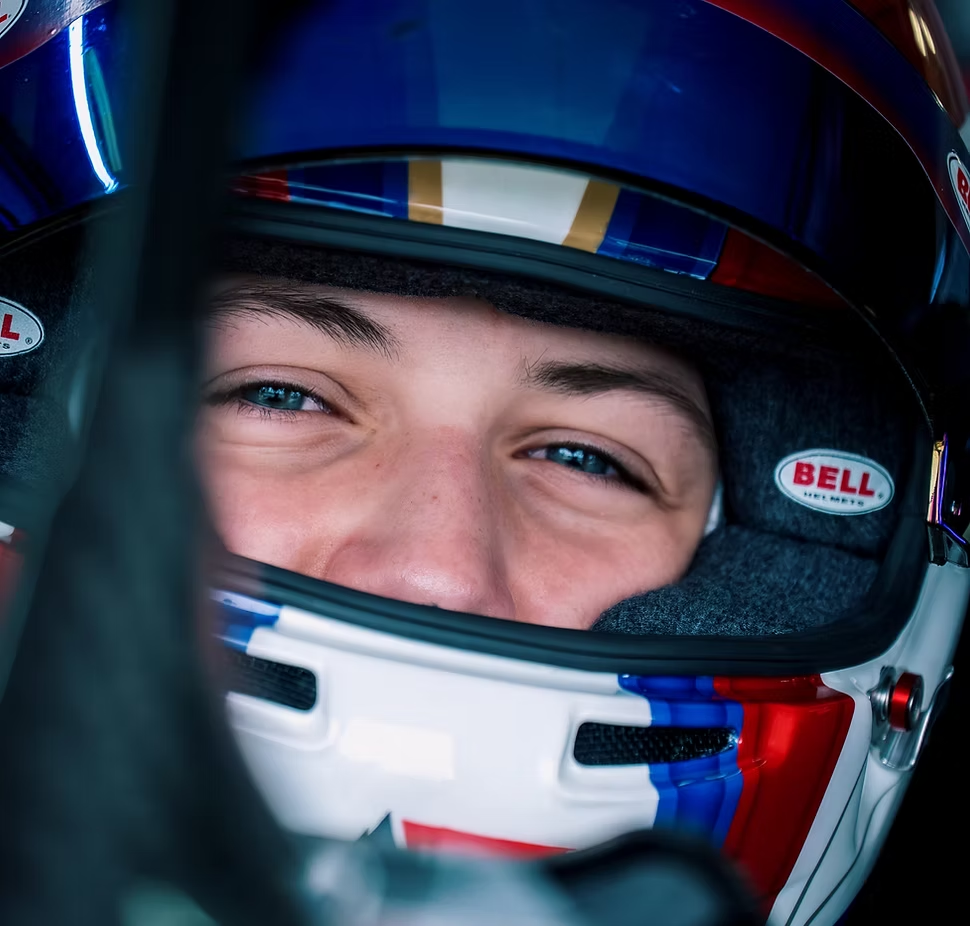
Eschalier has consciously tried to prevent that environment from changing his personality. Rather than comparing himself constantly with other drivers or becoming distracted by the problems around him, he prefers to concentrate on his own work.
“The people who remember me in motorsport, I think I’m someone who doesn’t really care about the problems or what others are doing. I focus on myself and on what I do. When I started karting, I didn’t want my personality to change because of progress or pressure. I just want to stay myself, and I think I’ve grown that way. So I’m happy with how I am.”
That inward focus does not mean ignoring the wider competition. Instead, it allows Eschalier to direct his attention towards the elements he can control, including his preparation, driving, technical feedback and response to setbacks.
The approach also connects with the patience and resilience he learned through karting. By remaining grounded in his own identity, he can continue developing without allowing one result or outside opinion to dictate his confidence.
Protecting identity under pressure
As Eschalier progresses, maintaining that sense of self may become increasingly important. Greater success will bring more scrutiny, more expectations and greater pressure to deliver results.
However, he wants progress to strengthen his character rather than replace it. The same driver who began karting for enjoyment remains at the centre of his Formula 4 journey, even as the environment around him becomes more professional.
His focus on his own work also provides a practical advantage. Motorsport includes many factors that a driver cannot control, but Eschalier can always control his attitude, preparation and willingness to improve.
By protecting those values, he can pursue ambitious goals without losing the personality that shaped his earliest experiences in the sport.
Pride in French motorsport heritage
France holds a prominent place within international motorsport. Its history includes successful drivers, teams, manufacturers and major events such as the 24 Hours of Le Mans.
Eschalier feels proud to develop within that tradition, but he also recognises that representing his country carries responsibility. He wants to contribute to the next generation rather than simply admire the achievements of those who came before him.
“I’m proud to be French. I know that’s a good thing, and I’m happy to feel proud of it. But I also feel a sense of responsibility.
“When you represent the new generation — because I want to be part of that new wave of drivers — you know that younger kids are watching you and maybe starting to dream because of you.
“So I always try to represent my country, my team, my family, and my friends in the best possible way, both on and off the track. Honestly, being part of this new generation of French drivers gives me a lot of motivation to write my own story.”
That responsibility extends beyond results. Eschalier believes his behaviour away from the car should reflect the same standards that he aims to demonstrate on the circuit.
Verstappen’s versatility provides inspiration
Although Eschalier wants to create his own identity, he still looks towards established drivers for inspiration. Max Verstappen stands out not only because of his Formula 1 success, but also because of his ability and interest across different forms of racing.
Eschalier values speed and intelligence, but Verstappen’s versatility carries particular significance. His participation beyond Formula 1 shows that a driver can remain connected to the wider sport rather than allowing one category to define every aspect of a career.
“Yeah, I think you know, Max Verstappen. For me, he is an inspiration — not maybe because of his precision or whatever, but because he does everything. GT3, Formula 1, he’s fast, and that’s the important thing, of course.
“For me, he is smart. And of course, every driver makes mistakes, but he is still an inspiration to me. Not because he started karting at four years old or something — I don’t care about that — but because he is a driver I want to watch on my TV.”
Eschalier does not focus on comparing the age at which their journeys began. Instead, he takes inspiration from the qualities he can observe now: speed, adaptability and the willingness to compete across different disciplines.
Writing a story of his own
Verstappen’s career demonstrates what versatility can look like at the highest level, but Eschalier remains focused on creating an individual path. Formula 1 represents his preferred ambition, yet he recognises that a successful racing career can take several forms.
For now, French F4 provides the immediate challenge. Family support gives him the opportunity to compete, while the FFSA Academy offers the structure required to develop his skills and mentality.
His future remains uncertain, as it does for every young driver climbing the motorsport ladder. However, Eschalier has already identified the principles he wants to carry with him: focus on the process, appreciate the sacrifices behind the opportunity, remain true to himself and represent those around him with pride.
Rather than attempting to predict every destination, he wants to keep improving and allow his work to shape what comes next. In doing so, Eschalier hopes to build a motorsport story that reflects both the support behind him and the driver he wants to become.
Article 1 | Article 2 | Article 3