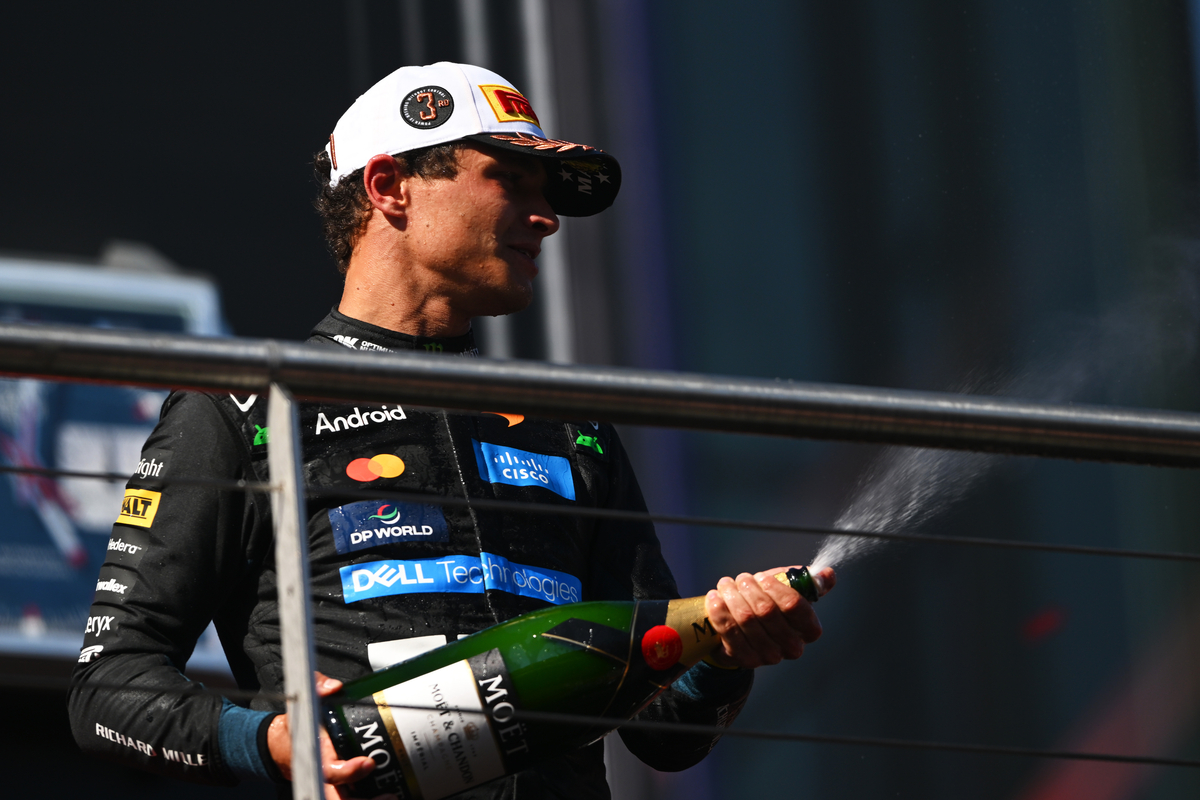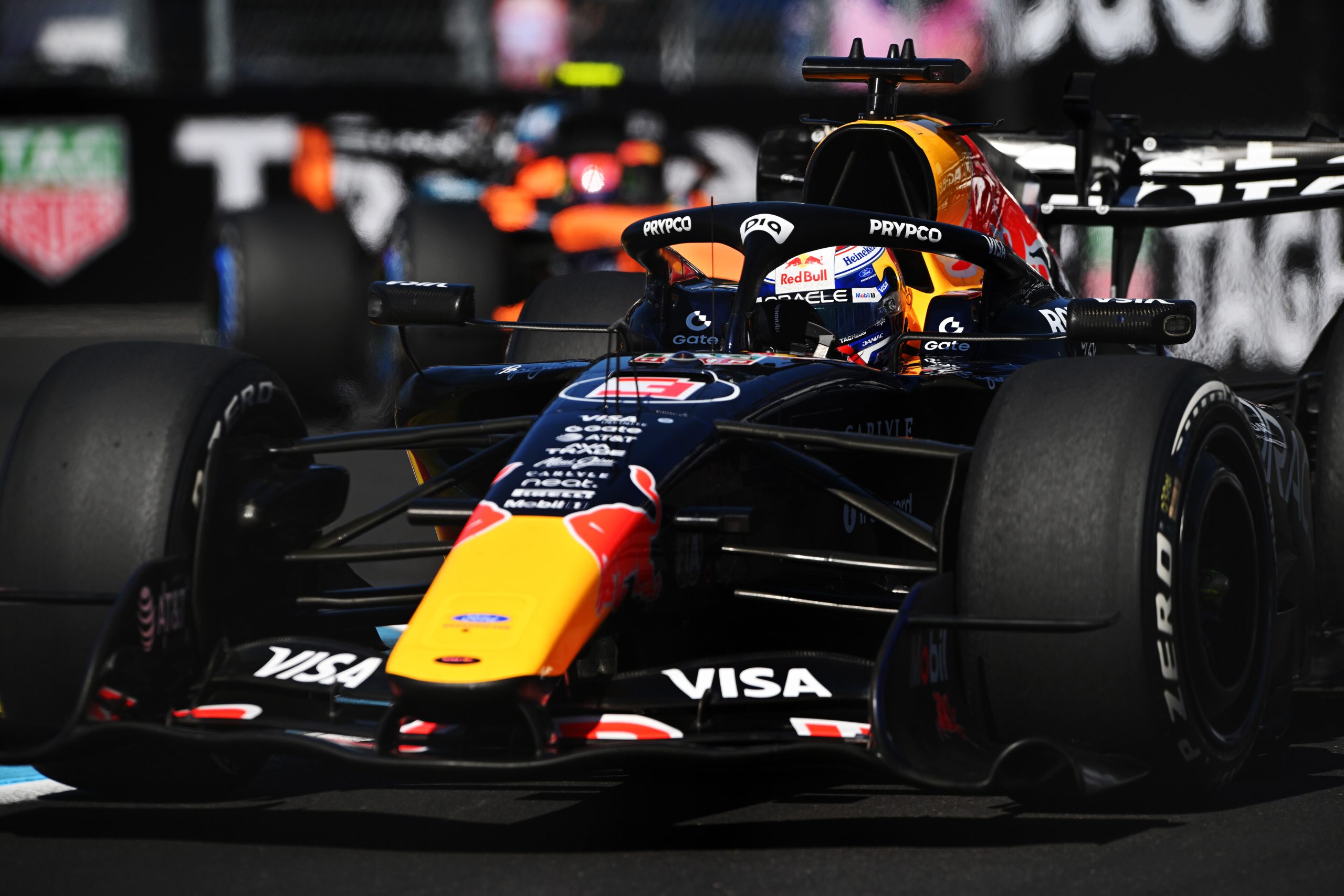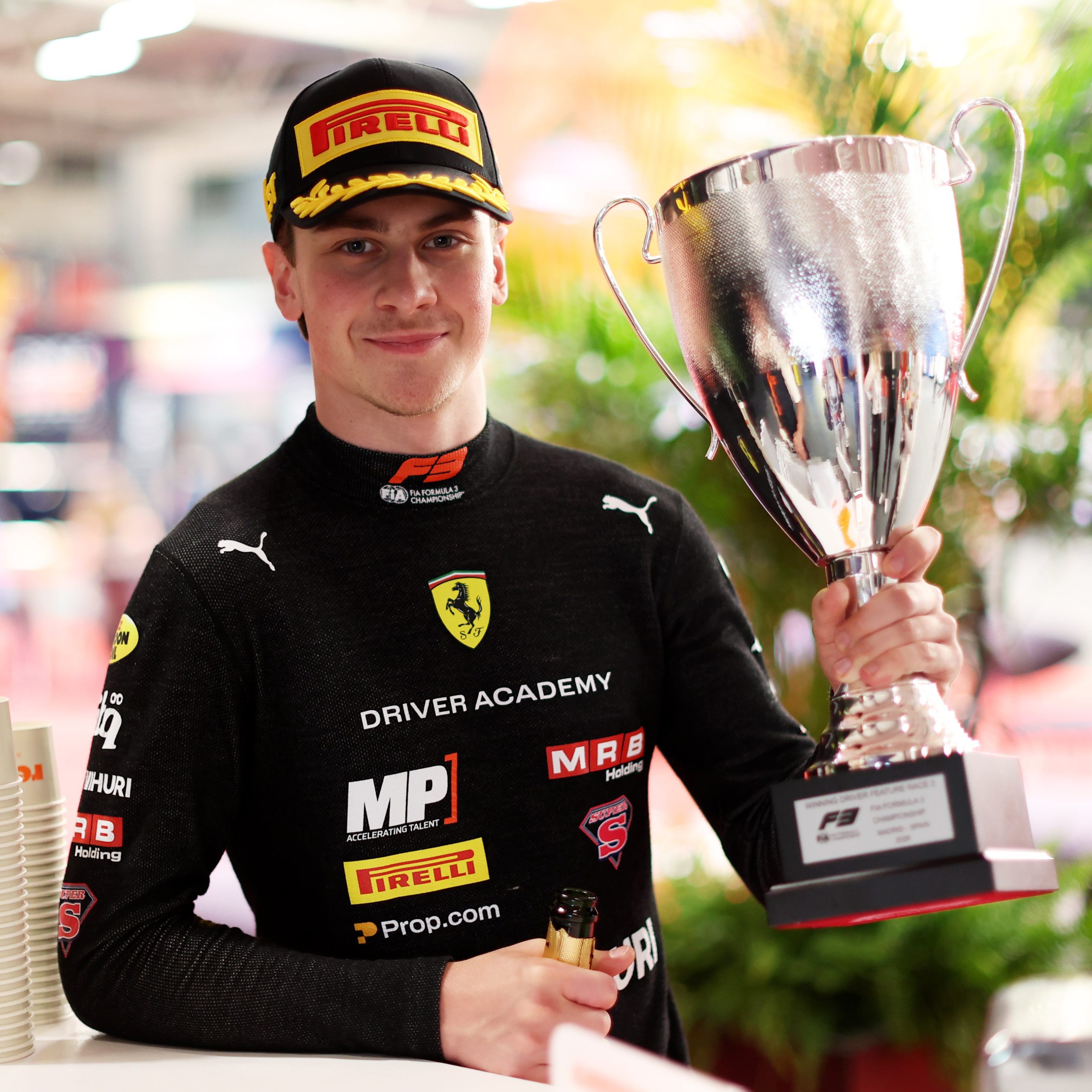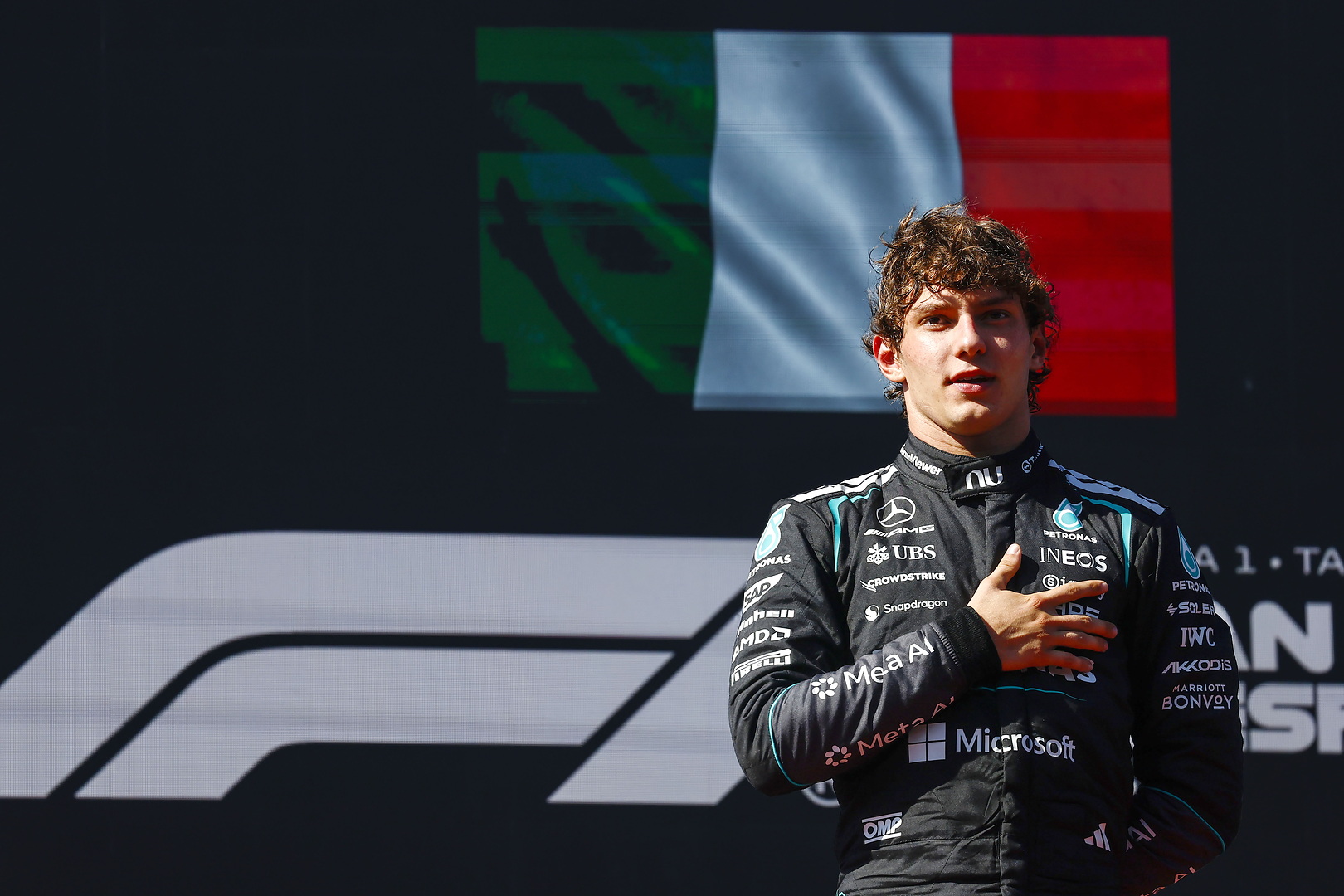
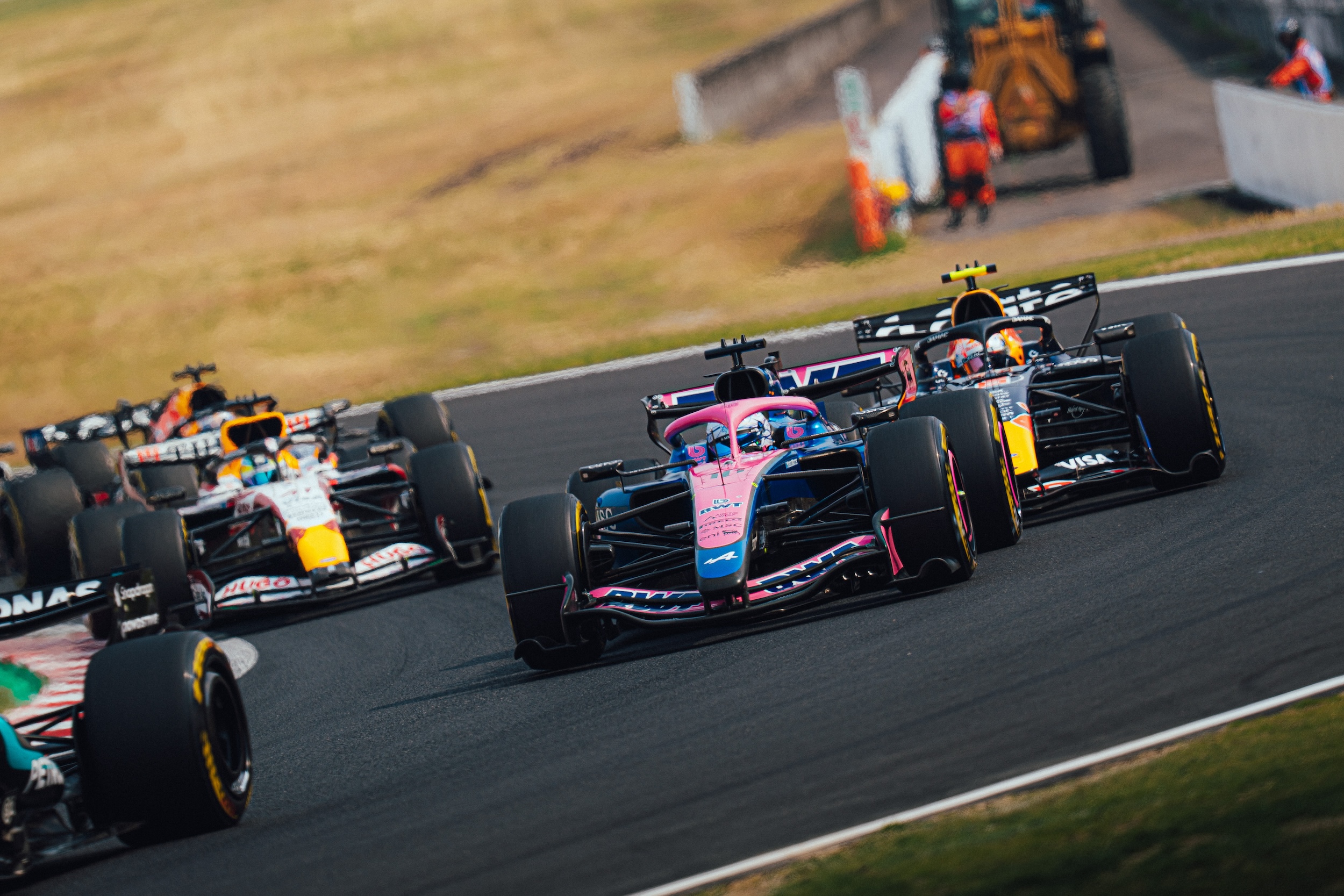
Formula 1 will enter the Miami GP with revised 2026 regulations after the FIA, F1 and the teams agreed on a package of targeted rule changes. The sport wants to improve safety, reduce awkward energy-management demands and create a better spectacle for fans and drivers.
The key technical changes focus on power deployment. F1 has increased super clipping from 250kW to a maximum of 350kW, while it has reduced the Qualifying energy harvesting limit from 8MJ to 7MJ. Together, those tweaks should reduce the need for lift-and-coast and limit the extreme clipping that concerned drivers during the early running of the new framework.
F1 has also adjusted race starts. If a driver makes a slow getaway, the MGU-K will now deliver a minimum level of acceleration. Officials want this system to reduce the risk of cars leaving the grid at very different speeds, especially when the field compresses into the opening corners.
Although the FIA, F1 and the teams gave the changes unanimous support, the drivers have avoided declaring the issue solved. Instead, they have welcomed the process, praised the improved dialogue and pointed to Miami as the first proper test.
Gasly welcomes a stronger driver voice as F1 introduces 2026 regulation changes
Alpine’s Pierre Gasly welcomed the revised 2026 regulation package, describing it as a positive step rather than a complete fix. He praised F1 and the FIA for listening to driver feedback, particularly on issues such as clipping, lift-and-coast demands and speed differences. While he recognised the need to balance teams, manufacturers and the sport’s wider interests, Gasly stressed that safety must remain the priority.
“It’s going in the right direction for the stuff that we are asking. That’s the most important. I don’t think it’s a game changer. But it’s going in the right direction and it’s good to give it a try and then actually see what it brings and see if there is any necessity to do further steps. But I think it should be good.
“It’s the best communications we’ve had for a while. I think it’s been very constructive. I think us as drivers have appreciated the fact that we’ve been involved because we are the ones behind the wheels. We are the ones feeling what’s going on in all sorts of situations. So the feedback we can give is way more precise than any other one in the organisation. So I think they’ve definitely validated it.
“As much as we would like to make the rules, there are also big entities behind the sport and manufacturers that are also pushing for what they want to have and what they need to be in the sport. We’ve got to please everybody. But at the end of the day, I think safety has definitely got to come first when it comes to what we do. I think everybody is pretty happy with the change we’ve made.”
Colapinto urges patience before judgement
Gasly’s teammate Franco Colapinto offered a more cautious assessment. While he recognised the work F1 has done to address the early concerns around the 2026 regulations, he stopped short of judging the changes before experiencing them on track.
For Colapinto, the impact of the revisions will depend heavily on each circuit’s characteristics. Tracks with different braking demands, corner speeds and energy recovery profiles could expose different strengths or weaknesses in the updated package.
“I don’t know. I think we have to wait and see. F1 has been working really hard to try and fix some of the issues. We need to wait and see on track how it is. It’s also changing a lot from track to track, depending on how much we brake, how much high-speed corners we’ve got. It’s quite up and down between races.”
That caution makes Miami an important first test rather than a final verdict. The circuit’s layout, braking zones and speed profile will offer useful evidence, but further races may reveal whether the revised energy rules work consistently across the calendar.
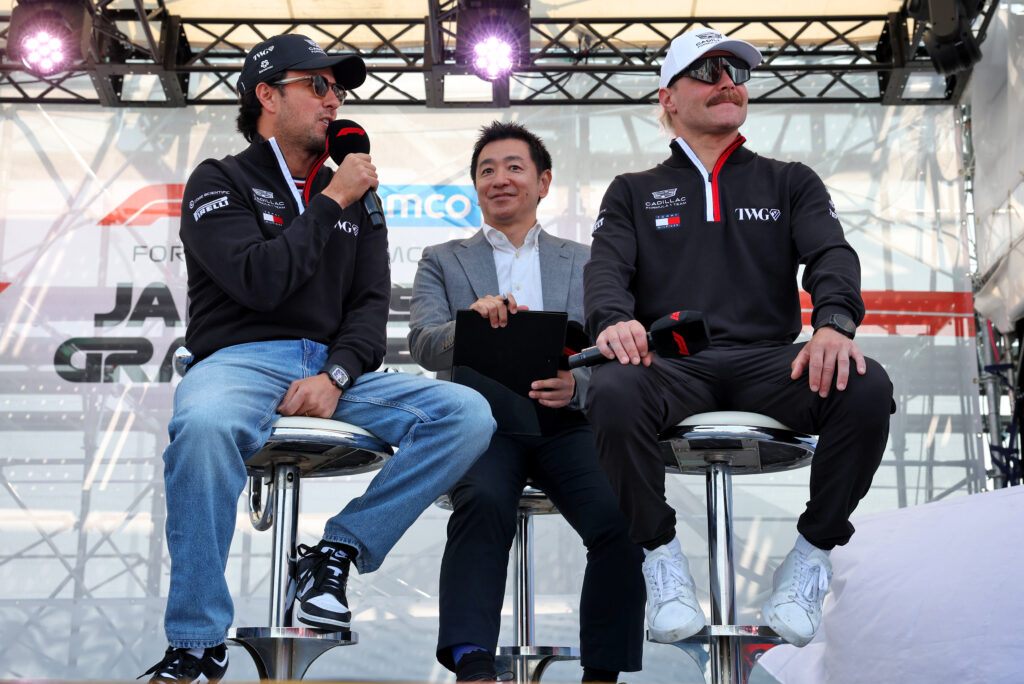
Bottas sees a 2026 F1 regulation changes as sensible first step as Miami test looms
Valtteri Bottas added another supportive voice, with the Cadillac driver focusing on one of the most important safety concerns behind the revisions: closing speeds. Under the original version of the 2026 rules, drivers feared that aggressive clipping on the straights could create large speed differences between cars, particularly in traffic or when one driver had managed energy differently from another.
For Bottas, the updated package does not transform the regulations, but it does address the issue in a sensible way. He also recognised the difficulty of making larger changes once teams have already committed development time and resources. A bigger adjustment could unintentionally punish teams that interpreted the rules well, so Bottas viewed the Miami update as a careful compromise rather than a dramatic intervention.
“All the new adjustments to the rules, it makes sense.
“I think it’s in the right direction in terms of trying to have less gaps with the closing speeds. Perhaps a little bit less aggressive clipping at the end of the straights. So that makes sense.
“I think it’s still quite a small step, but a step in the right direction. You could do a bigger change, but at the same time, I think what is tricky is that you don’t want to penalise any teams that have done well. You don’t want to make changes that would change the order of the teams or anything like this. So it’s mid-season doing big changes, it’s quite tricky. So I think it’s a good first step.”
The use of WhatsApp to align feedback
Bottas also shed light on how the drivers shaped their feedback. Rather than raising separate concerns in isolation, they used a shared WhatsApp group to discuss the situation, vote on key points and align their message before speaking through the GPDA.
“So, all drivers were in this group chat on WhatsApp. So we’ve been communicating there quite a lot. Especially after Japan, we did some votes and stuff like that,” he said.
“But everything is aligned. I think everyone agrees it’s a step in the right direction. But now we just need to see these things in action. I think all the drivers are aligned. It’s sometimes only a couple of drivers that speak to FIA, but normally they speak on behalf of all of us at GPDA.”
Pérez points to more room for adjustment
Like his teammate, Sergio Pérez also welcomed the open-minded approach behind the 2026 F1 regulation changes. Rather than treating the Miami package as a final answer, he suggested F1 should remain ready to act again if the revised rules do not solve enough of the drivers’ concerns.
The Cadillac driver also pointed to the calendar as an opportunity. With a sizeable gap before the Canadian Grand Prix, F1 could study the Miami evidence, gather driver feedback and consider further refinements before the next major phase of the season.
“The best thing of it is that we are open to it and if there are more changes needed after this weekend, I would expect to… There is also a big gap before Canada, so probably we can do even more changes if needed.”
That view increases the importance of the Miami weekend. If the changes improve safety and drivability, F1 may choose to stay on its current path. However, if the same problems remain, Pérez expects the sport to use the available window to make further adjustments.
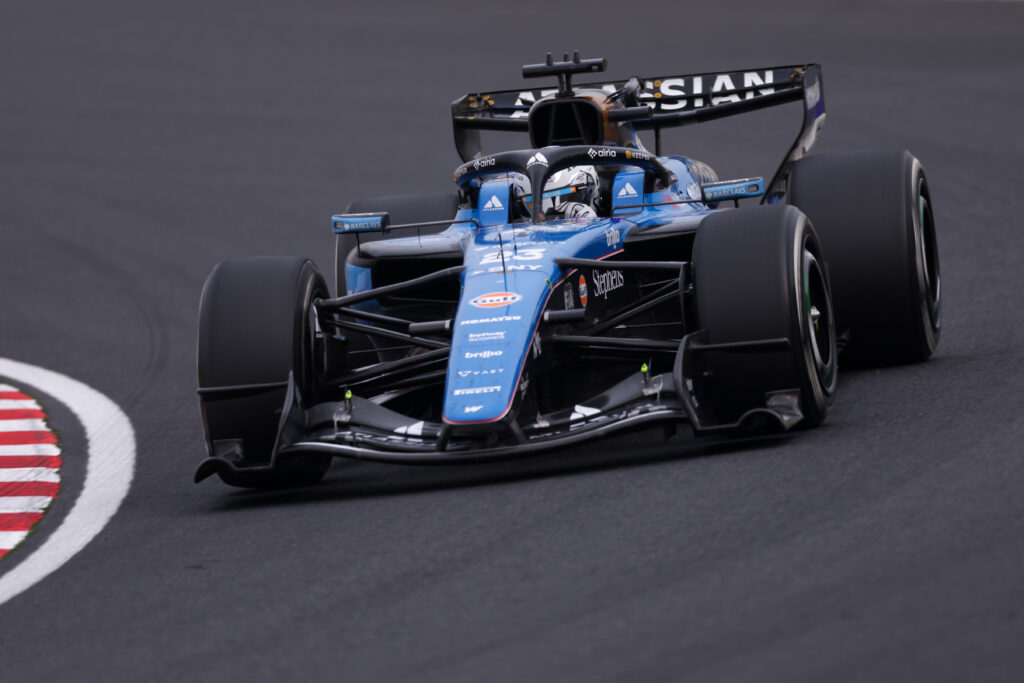
Albon expects more steps after Miami
Alex Albon also described the regulation update as a useful but incomplete measure. The Williams driver has already sampled the revised package in the simulator and believes it improves certain areas, but he does not yet see it as a full return to pure, instinctive driving.
For Albon, the Miami weekend will give drivers a clearer understanding of what still needs work. While the changes appear to move F1 in the right direction, he expects further feedback once the field experiences the updated rules in live conditions, especially in traffic and during competitive sessions.
“We’ve had a go on the simulator, just with the new changes being made. I think it improves some aspects. Is it fully pure, where we’re just driving as quickly as we can? No, I don’t think so.
“There’s still a few more steps to go, but I think we need to see how these changes go, first of all. I think that we’re definitely heading towards the right direction, and then it’s just how much more do we need to do.
He continued, “I imagine we’re going to finish this weekend, and the drivers are going to put their take on what extra bits we need. I think it’s a great first step, but there’s going to be likely a second step and a third step afterwards.
Albon concluded, “I think it’s positive for everyone.”
Albon’s comments underline a practical reality. Simulator work can help teams and drivers prepare, but it cannot fully recreate traffic, dirty air, start procedures or the pressure of Qualifying. Therefore, Miami may provide only the first stage of a longer refinement process.
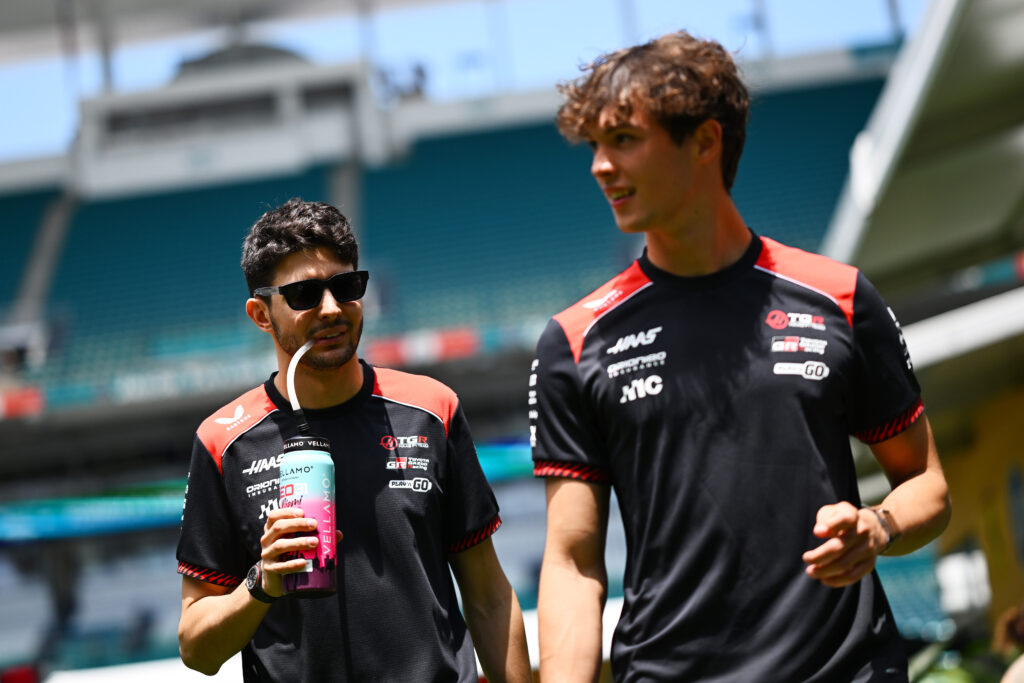
Bearman praises the Qualifying simplification as F1 makes regulation changes ahead of 2026 Miami GP
Ollie Bearman highlighted one of the most practical benefits of the revised 2026 regulation package. The Haas driver focused on the Qualifying procedure, where the changes should remove some of the manual throttle management required before starting a flying lap.
That adjustment matters because Qualifying demands maximum focus and precision. Drivers want to prepare the final corner, position the car correctly and attack the lap without checking the dashboard for an exact throttle percentage. By automating that process, F1 has reduced one of the awkward tasks that had distracted drivers at a critical moment.
“We tried it on the sim. There have been a few things that have been really nice. For example, the Qualifying lap start, now it’s automatic, whereas [in the] last few races we were having to manage the throttle manually. It’s like 50%, so you’re having to look down at your dash to see exactly how much throttle you’re using when starting a lap, which is a bit dangerous. Now it’s automated, which simplifies things for us.
“A few other things, really based on Quali, that should simplify life a bit for us, which is really what we wanted and asked for, because we want to be able to go out there and drive on instinct, rather than thinking about all of these things.
“A few of the other things, obviously I’ve tried them in the simulator, but it’s tough to really draw conclusions, because it’s just you on the sim. When you’re with other cars, obviously things change a bit. Let’s see. I think the most important thing is that they’ve been very receptive to our feedback, and I hope it continues that way.”
Ocon backs the automatic launch change
Esteban Ocon echoed his teammate’s view and identified the automatic launch before a Qualifying lap as one of the most useful parts of the revised package. For Ocon, the change should make lap preparation feel more natural and less distracting, especially through the final corner before a timed run.
Previously, drivers had to manage roughly 50% throttle before launching into the lap, which added another task at a moment when they wanted to focus on positioning, tyre preparation and exit speed. By removing that manual demand, F1 has moved the process closer to what drivers experienced last year.
“I think the big gain also is the automatic launch before the Quali lap. We had to do like 50% roughly before launching the lap. This is not the case anymore.
“This is similar to how it was last year. We can prepare the last corner well and start the lap. So in theory, that’s what’s going to happen. We’ll see in reality again. But yeah, it’s small steps better. I don’t think it’s yet the full story. But I think there will be other iterations, probably this year to try and improve further.”
Ocon’s comments reinforce a common message across the paddock. The drivers welcome the direction of the changes, especially in Qualifying, but they still expect further refinements as F1 gathers more data from real running.
Komatsu calls it a tuning exercise, not a reset
Haas team principal Ayao Komatsu offered a broader technical and sporting view of the revised 2026 regulation package. He stressed that F1 has not torn up the rulebook or shifted the target completely. Instead, the sport has adjusted specific details after listening to feedback from drivers, fans and teams.
For Komatsu, that distinction matters. A major overhaul could have disrupted team preparations and created fresh uncertainty. However, a targeted tuning of the regulations allows F1 to respond to concerns around Qualifying, racing and safety without changing the entire direction of the 2026 framework.
“Yeah, but it’s not like a goalpost completely moved. I don’t know, it’s not like a major overhaul of regulation where you’re putting things upside down.
“I don’t call it minor either, but it’s a tuning of the regulation. It’s not like all of a sudden we’re facing a completely different game. It’s an evolution, just learning from hearing the feedback from drivers, fans, and trying to make it better both in Qualifying and race, and also the safety following what happened in Suzuka.
“I think, again, until we really start running, I don’t think anybody knows if this is a big enough step or not. But I think most of the things, or actually everything, should be a step in the right direction.”
Komatsu says F1 must stay open-minded as F1 regulation changes come into play at 2026 Miami GP
Komatsu also underlined the importance of patience. He explained that F1 had already identified possible concerns during pre-season testing in Bahrain, but the sport chose not to react too quickly. Instead, teams and officials collected data before agreeing on changes.
That approach reflects the balance F1 wants to strike. The sport must respond when evidence and driver feedback point in the same direction, but it also needs to avoid rushed decisions. Therefore, Miami will help determine whether this package goes far enough or whether further refinements will follow.
“I don’t know [if this is the first step], we have to see. If this is enough, and the racing is good, then there’s no reason to change anymore. But I think we are open. Because like we said, you know, during Bahrain pre-season testing, we identified certain things, like this could be an issue in racing or Qualifying or whatever. But then we said, ‘Okay, let’s not knee-jerk, at least in the two races, Australia, Shanghai, then we compare. Not saying that after two races we’ll change anything. But we always kept an open mind, because we got to collect various data.
“It’s new for everybody. I think it’s good that the dialogue is open. And we are all 11 teams, including FIA, 11 teams with FIA, working in a collaborative manner. So, honestly, I don’t know if we’re going to have another one, or that’s it. I think we’ll find out this weekend. Again, this is just one example, right? So, we’ll see.”

Lawson waits for the real-world feel
Liam Lawson took a cautious approach to the revised 2026 regulation package, arguing that simulator work cannot provide a complete answer. Although teams have already tested the updated settings virtually, the Racing Bulls driver wants to experience them on track before judging their true impact.
That distinction is important because race weekends create variables that simulators cannot fully reproduce. Traffic, changing grip levels, dirty air, tyre behaviour and wheel-to-wheel situations can all affect how the revised energy rules feel in practice.
“It’s hard to know until we drive on track, so right now obviously we’ve done simulations and driven it in a simulator, but I think it’s hopefully step in the right direction. But honestly until we drive on track I don’t really know.”
Lawson’s caution reflects the wider mood in the paddock. Most drivers support the intent behind the changes, but they still want real-world proof before deciding whether F1 has gone far enough.
Alonso questions the underlying concept
Fernando Alonso, like teammate Lance Stroll, offered one of the more sceptical reactions to the revised 2026 regulation package. While several drivers described the changes as a step forward, the Aston Martin driver questioned whether they would fully address the deeper characteristics of the new power unit rules.
Alonso’s concern centred on the way the regulations influence driving style. He suggested that the wider concept still rewards drivers for going slower through corners because that approach can help them recover more energy. As a result, even if the latest tweaks reduce some clipping, they may not completely remove the compromises built into the package.
“Let’s wait and see. I don’t think it will change completely what we saw in the first three races, to be honest. This power unit and this regulation will always reward going slower in the corners, because you have more energy. The small tweaks can improve a little bit the clipping, which, again, I’m not sure if we go back to Suzuka, where I spoke with the team and we race with the current rules, we will have more clipping than what we had in Suzuka.
“It’s a little bit contradictory what I read in the last few weeks and what I heard today, so that’s why I need to see on track how it feels.”
Alonso’s remarks add a sharper note of caution to the debate. While, he does not dismiss the changes, he clearly wants track evidence before accepting that F1 has solved the core issue. His view also highlights a broader concern: the latest update may ease the symptoms of the 2026 rules without fully changing the strategic energy-management demands behind them.
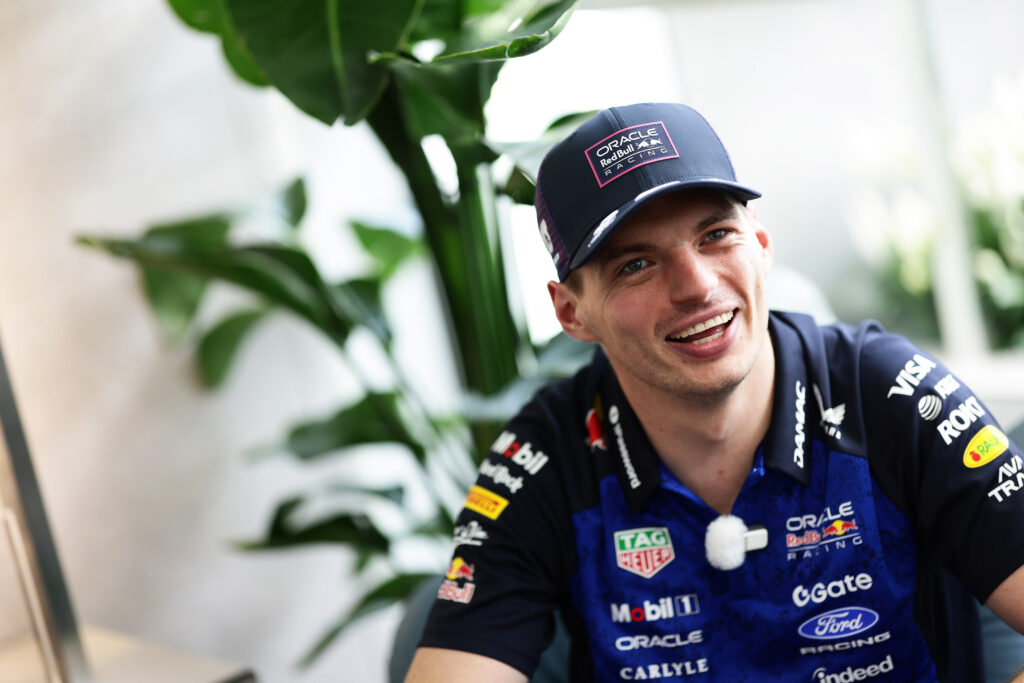
Verstappen values the improved dialogue as F1 introduces 2021 F1 regulation changes at Miami GP
Max Verstappen placed the emphasis on communication rather than the scale of the technical changes. The Red Bull driver welcomed the meetings held with Formula 1 and the FIA, viewing them as a positive sign for the future relationship between drivers and decision-makers.
Although Verstappen did not describe the revised package as a major shift, he clearly valued the fact that drivers had been heard. In his view, those inside the cockpit understand what the cars need in order to produce racing that feels enjoyable, competitive and attractive to fans.
“The positive thing about it, we had some nice meetings with Formula 1 and the FIA. That’s probably like a starting point hopefully for the future. Even in a few years time, maybe I’m not here anymore, I really hope that for the future drivers as well, there’s more input to come from the drivers to the organisers in general.”
“Because I do think that most of the drivers here, we have a good understanding and a good feel of what is needed to make Formula 1 a good product, a fun product. And I think that’s already a huge step forward in terms of the communication. And of course with the changes that are made, I think it’s more like a tickle.”
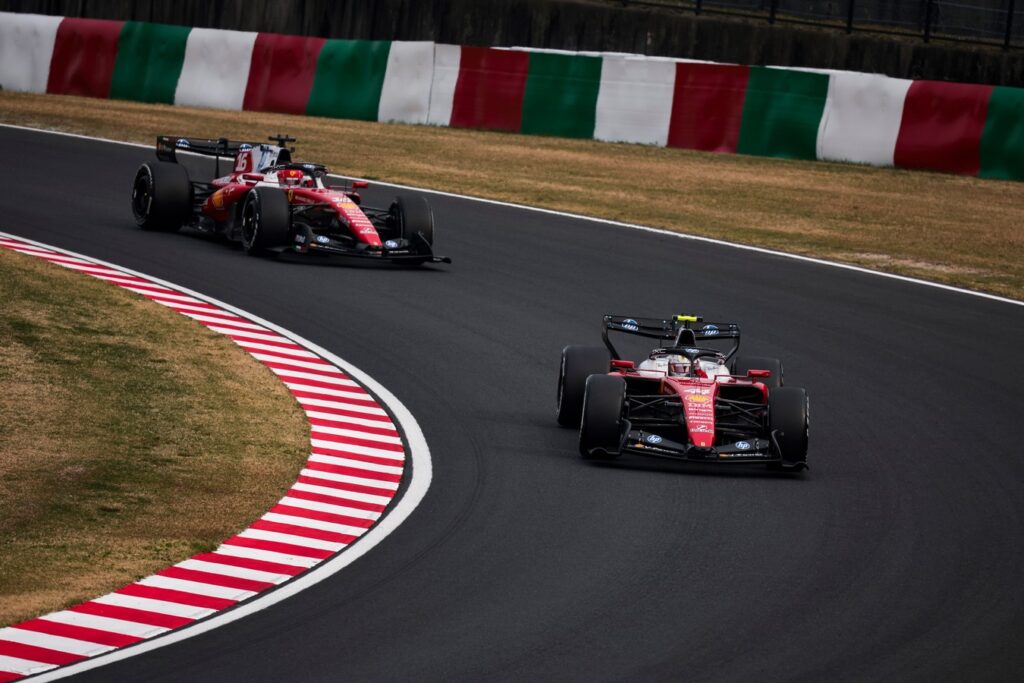
Hamilton looks for evidence in Qualifying
Ferrari’s Lewis Hamilton also wants to see whether the regulation changes make a clear difference once the cars run on track. His simulator experience did not reveal a dramatic shift, which means Qualifying will become an important test of whether the revisions improve the driving experience.
The Ferrari driver expects F1 to keep developing the package through the year. However, like several others, he stopped short of judging the update before experiencing it in a competitive session, where grip levels, traffic and pressure can expose details that a simulator cannot fully capture.
“I imagine they will continue to improve through the year. We’ll find out this weekend whether that change is good to see that they are making changes,” Hamilton added in his print media session.
“Whether or not it’s enough or not we will see this weekend. I drove on the sim and I don’t really feel much different. I’d be interested to see how that impacts us when we’re on track and when we’re Qualifying.”
Leclerc supports the avoidance of overreaction
Teammate Charles Leclerc backed the scale of the change and praised F1’s decision to avoid a more extreme response. While the revised regulations aim to improve safety and drivability, Leclerc believes the sport needed to make careful adjustments rather than rush into sweeping alterations.
That position reflects the delicate politics behind mid-season regulation tweaks. F1 must respond to driver concerns, but it also needs to protect competitive fairness and avoid punishing teams that have adapted well to the existing framework.
“It’s all about not overreacting, not doing changes that are too big, which I think is the right approach. So, yeah, I’m satisfied with the change.”
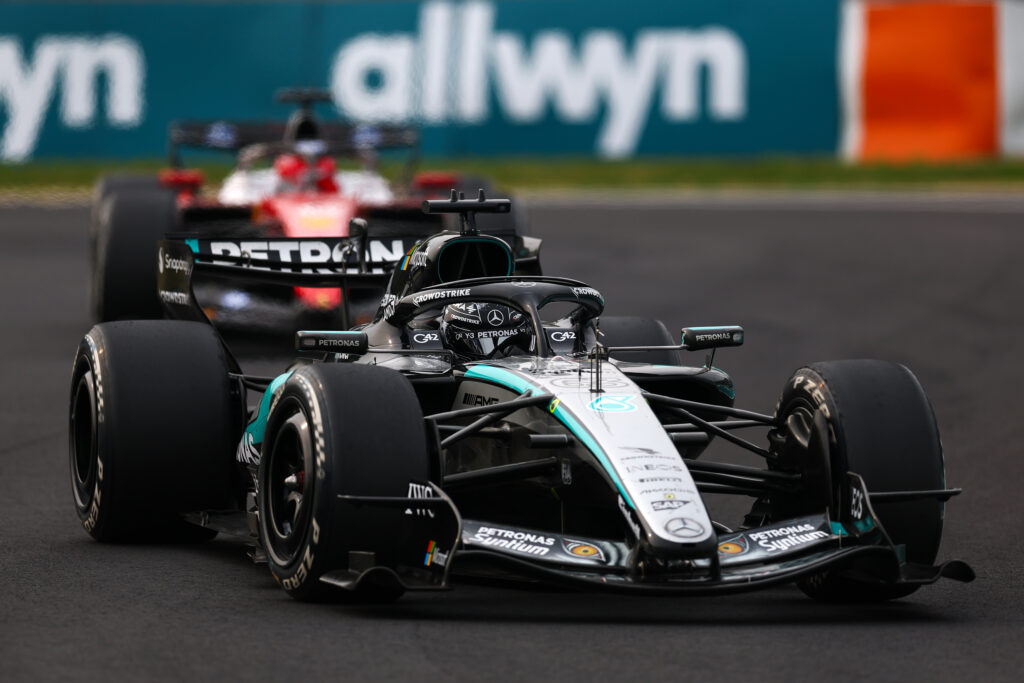
Russell highlights the driver-fan balance in play as F1 introduces changes to 2026 regulations in Miami
George Russell widened the discussion beyond the immediate technical changes by focusing on the balance between driver preference and the quality of the racing product. While drivers naturally want the fastest, most exciting cars to drive, Russell argued that those priorities do not always produce the best racing for fans.
The Mercedes driver pointed out that Formula 1 must consider entertainment, overtaking and spectacle alongside car performance. Therefore, although drivers should remain involved in shaping the regulations, their views must fit within a wider sporting picture.
“We are quite selfish as drivers and what may be the best and coolest and fastest cars for us to drive may not be the most exciting from a racing perspective.
“As I said, if you take the V10 era from the early 2000s that is probably a really great base of what a driver wants from a race car but the races were boring and there was no overtaking and there weren’t as many fans following the sport. The truth is F1 and FIA, they aren’t idiots, they know what they’re doing and the fans are loving the racing at the moment rightly or wrongly the racing has been exciting.
“I think we should be involved, we should help shape it but I think there’s been a lot of lessons learned.”
Russell’s comments add an important layer to the debate. Drivers can offer vital insight because they understand how the cars behave on the limit, but F1 also needs rules that create engaging races, encourage overtaking and keep fans invested.
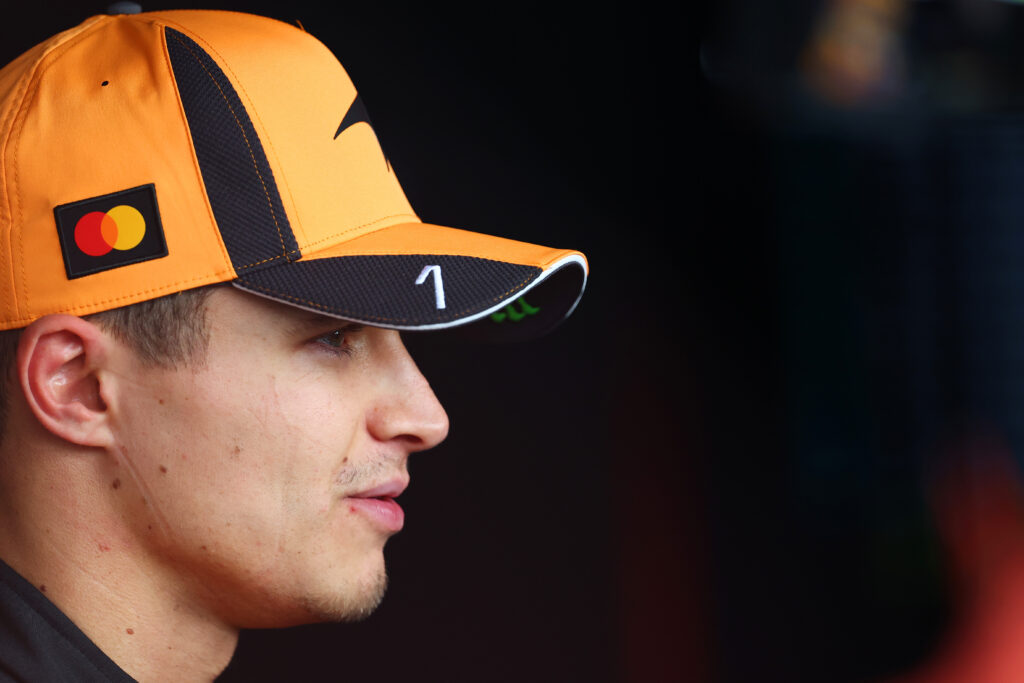
Norris says F1 has limited room for bigger changes to the 2026 regulations
Meanwhile, reigning World Champion Lando Norris felt the revised regulations moved in the right direction, especially in Qualifying. However, he also warned that F1 could not simply go much further without creating new problems or requiring bigger hardware changes.
The McLaren driver explained that the sport must work within the limits of the current rules. More significant changes would prove difficult during a competitive season, particularly when teams sit in very different positions. As a result, Norris viewed the latest update as a useful compromise rather than a complete fix.
“It’s tough to go that much further. I think when you start to cover up some problems you also reveal other issues. There’s only so much you can do with the rules that you have to keep things within.
“I think we would all have more in the direction that they’ve gone. But some of those are more hardware, bigger things to change, and those are hard things to change in the middle of a season when you have one team dominating and doing very well, and another team struggling. It’s difficult from that end to do a lot more, but they’ve moved things in the right direction, especially for Qualifying.
Norris expects Qualifying to benefit more than racing
Although Norris welcomed the changes, he does not expect them to transform race conditions. Instead, he believes Qualifying should benefit most, with drivers able to complete laps in a more natural, flat-out style.
That distinction matters because several drivers have focused on the same area. The revised package may make Qualifying cleaner and more instinctive, but the race product could remain largely similar in the short term.
The race really isn’t going to be that different. So some things are not going to change that much, and the quality should be a bit more to say flat-out Qualifying-style laps, which is a nice thing. It’s what we want [as] the drivers, so I think we have to be happy with the amount of changes that they’ve done. But yes, we would want more, but that’s something we have to be patient for.
Miami will shape the next conversation as 2026 F1 regulation changes takes effect
The 2026 Miami GP now carries extra significance. F1 does not simply need a clean weekend; it needs data, driver feedback and evidence that the revised system has reduced the most awkward parts of the 2026 regulations.
The sport has chosen evolution over revolution. That approach has kept the teams aligned, protected competitive fairness and avoided a dramatic regulatory swing. At the same time, it has shown drivers that their concerns can influence the rule-making process.
Most drivers agree on the broad picture. The changes mark a positive first step, especially for Qualifying and safety. However, they also expect further discussions if Miami exposes fresh issues or shows that the current package does not go far enough.
Ultimately, the weekend will answer the key question. F1 has listened, adjusted and acted. Now the cars must show whether those changes can deliver the safer, cleaner and more instinctive racing product that drivers and fans want.