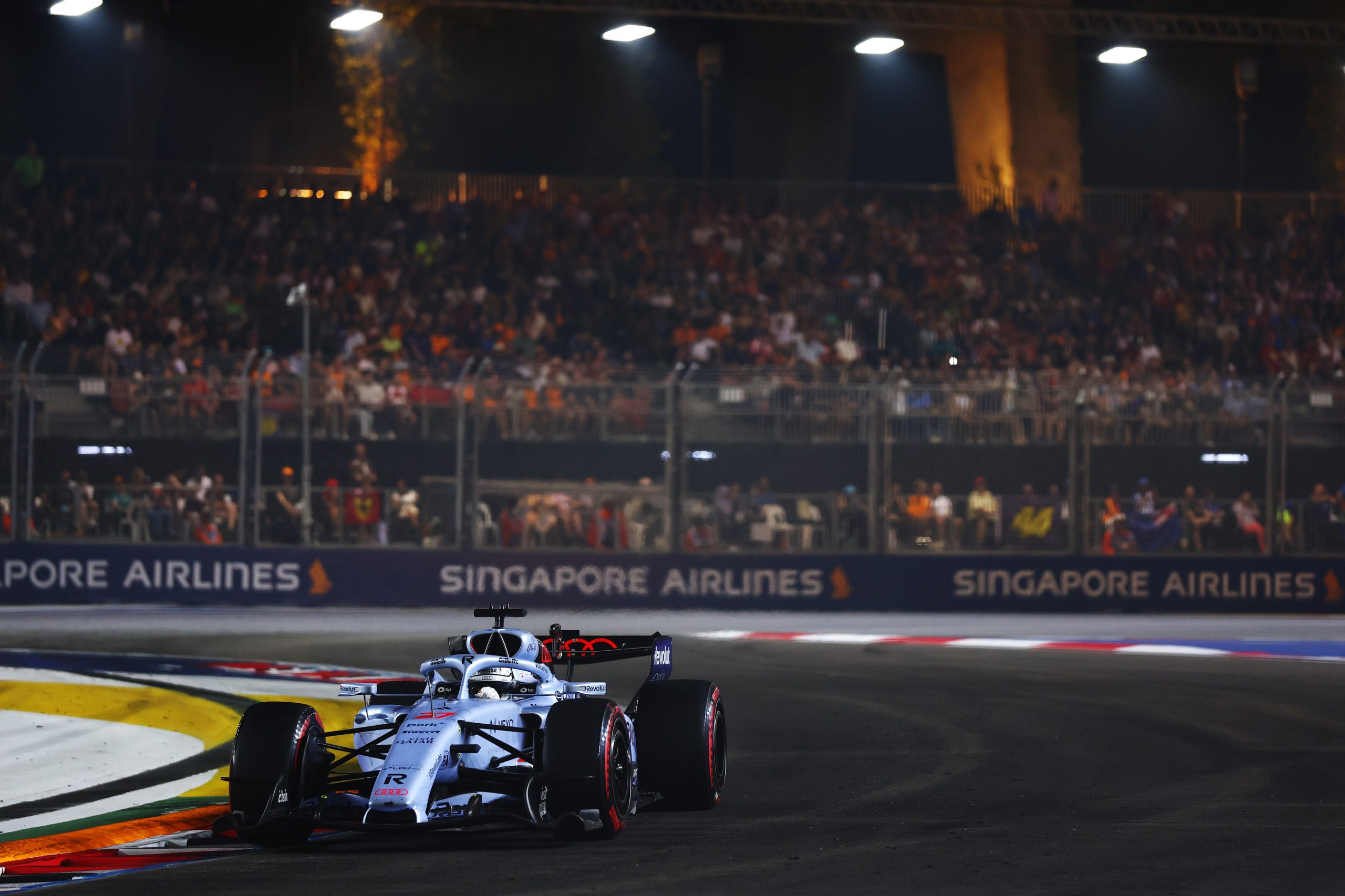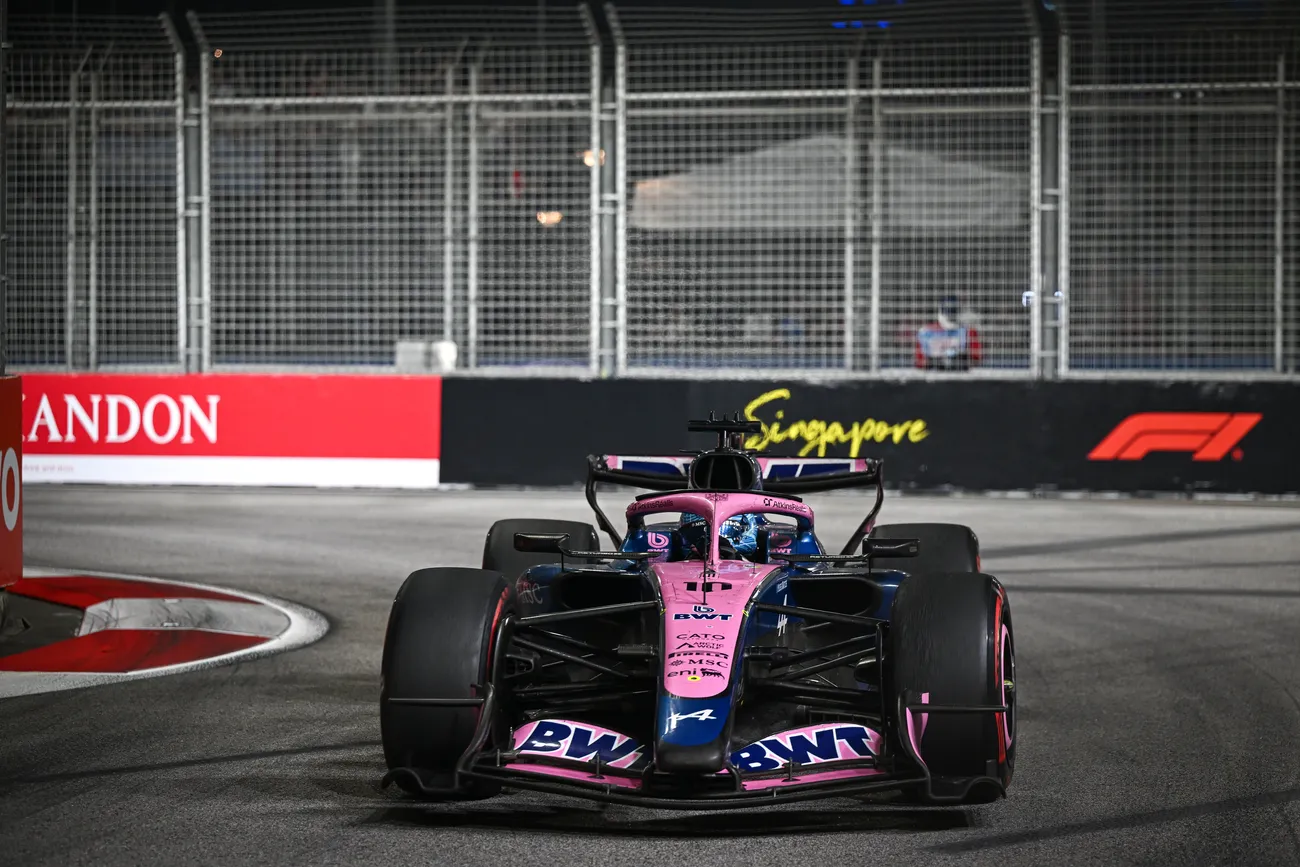
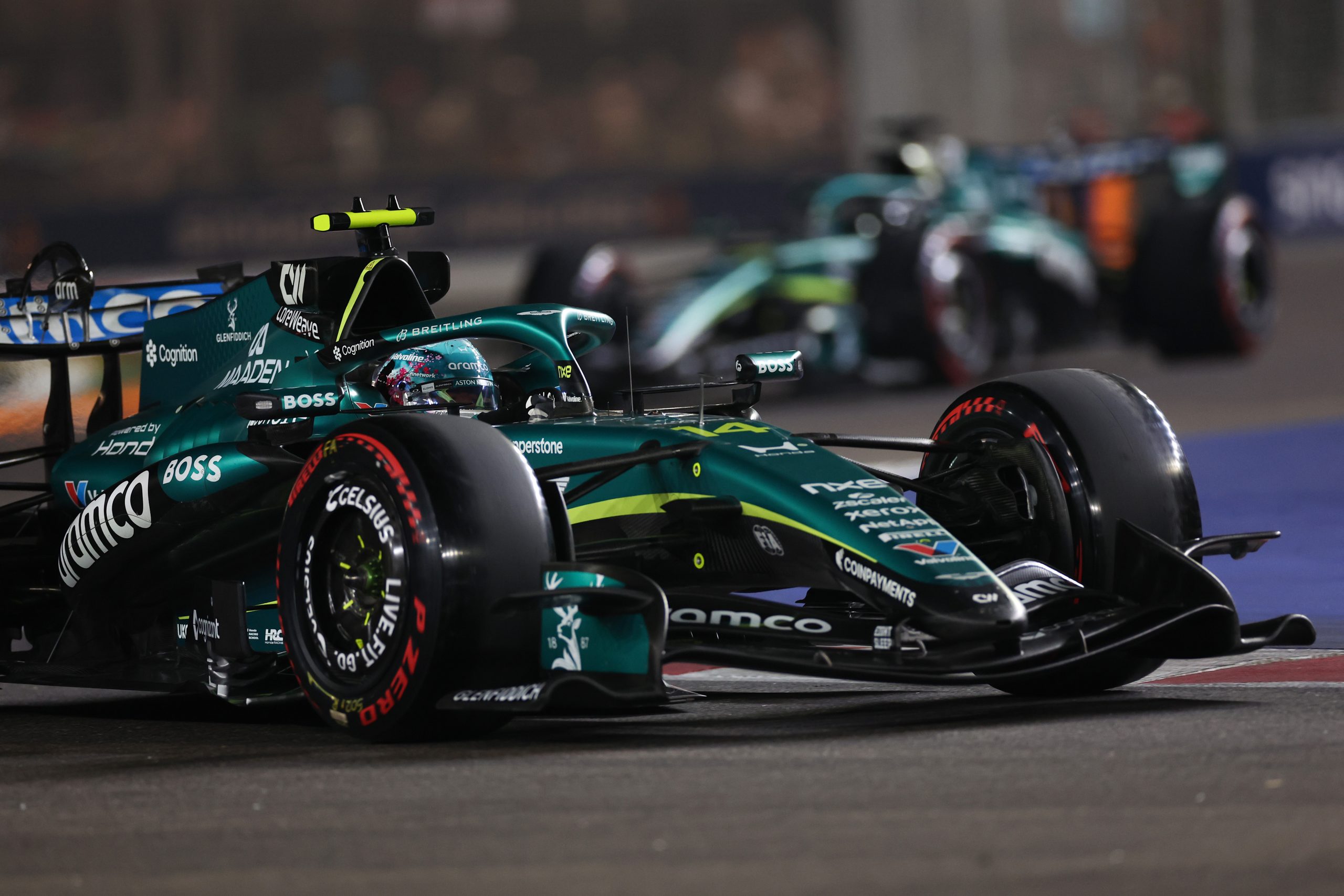
After a difficult run at the 2026 Singapore GP, where Fernando Alonso finished P16 and Lance Stroll had to retire on Lap 38 with clutch issues, Honda F1 Chief Engineer Shintaro Orihara and Aston Martin Chief Trackside Officer Mike Krack discussed the complexities of the 2026 F1 regulations in terms of energy management and extracting optimal performance from the power units.
In a post-2026 F1 Singapore GP print media session, Honda F1 Chief Engineer Shintaro Orihara explained that even on tracks that demand less power, it can be challenging to extract the most from the power unit. With the power units, relying on generating power in braking zones makes “driverability” an important factor, as a small mistake or correction can affect how much power is available.
For Orihara, the perfromance deficit of the Honda F1 power unit is not limited to sheer loss of power but also inefficient energy management caused by “driveability” issues.
Orihara on the complexities of the 2026 F1 power units
“So, let’s say, still here power sensitivity is small. Still, behind it, just the gap becomes less, but still there is a gap between our position and the top cars. So, probably less gap, but still there is a gap.
“And also, difficult point in this type of track, in this regulation is, again, in energy, each cornering of harvest power is different.
“Then we need to, how to say, do some tuning for drivability and also boost. I believe another manufacturer is trying to tune to get best drivability and also boost.
“So, not performance difference coming from power itself, and also energy management, and also drivability, boost is following. This is a very complicated regulation.”
Krack: driverability remains a key issue for Aston Martin in 2026 F1 season
Aston Martin Chief Trackside Officer Mike Krack adds that factors such as sudden, inexplicable power drops, like those seen during the 2026 F1 Singapore GP, make it harder to assess the performance gap, as performance can vary lap to lap and depends on multiple factors.
Thus, Krack, similar to Orihara, believes “driveability” to be one of the key factors in the 2026 F1 season and something Aston Martin has been struggling with since the start of the new regulation cycle.
“I think we could see that also today [race day at the 2026 F1 Singapore GP]. I think some drivers complained about downshifts, some complained about no power all of a sudden, and then it was good again.
“This is all what Ori [Orihara] is reacting to. If the boost drops or if you have the wrong downshift, or gearbox response. So, we said it many times, I think already early in the season, that drivability is a big issue.
“And you can see it’s not only us, it’s across the paddock.
“And I think one of you asked also: ‘How much lap time is this?’
“This is really difficult to quantify because often, you know, you see when you lose, but you don’t lose every lap.
“But you take maybe some confidence away, and that is something that, you know, we struggle to quantify.”
Strenghts and weaknesses of the AMR26
Asked about the strengths and weaknesses of the AMR26, Krack explains that the car lacks straight-line speed, but excels at low-speed corners. While the car is “strong” in “tight corners”, it’s still trailing the competition, leaving room for improvement, says Krack, who expects performance swings to prevail for the remainder of the 2026 F1 season.
“Oh, that is difficult to say. I think, you have to always look at the package. You know, I think we know that tracks with long straights, we are not that great.
“The package is not strong in this circuit. So, tracks like Baku, like Monza, like Las Vegas will be difficult. The car is strong in low speed, in very small, tight, very little corners.
“When you have to be on brakes, these kind of things, I think it’s quite good. But it’s not the best. So, we need to work on that.
“You know, it has strength, it has weaknesses and it will go up and down for the rest of the season.”