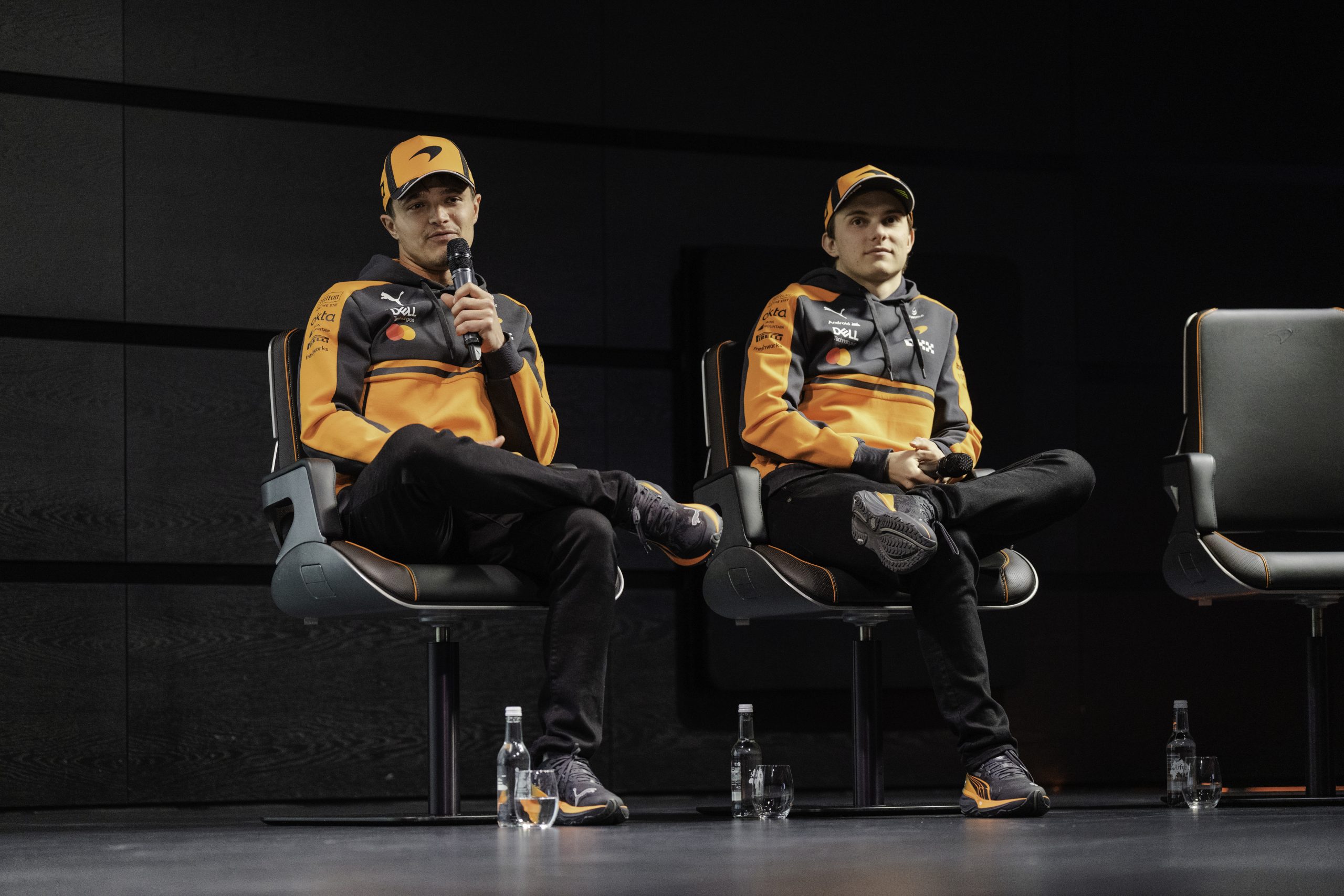
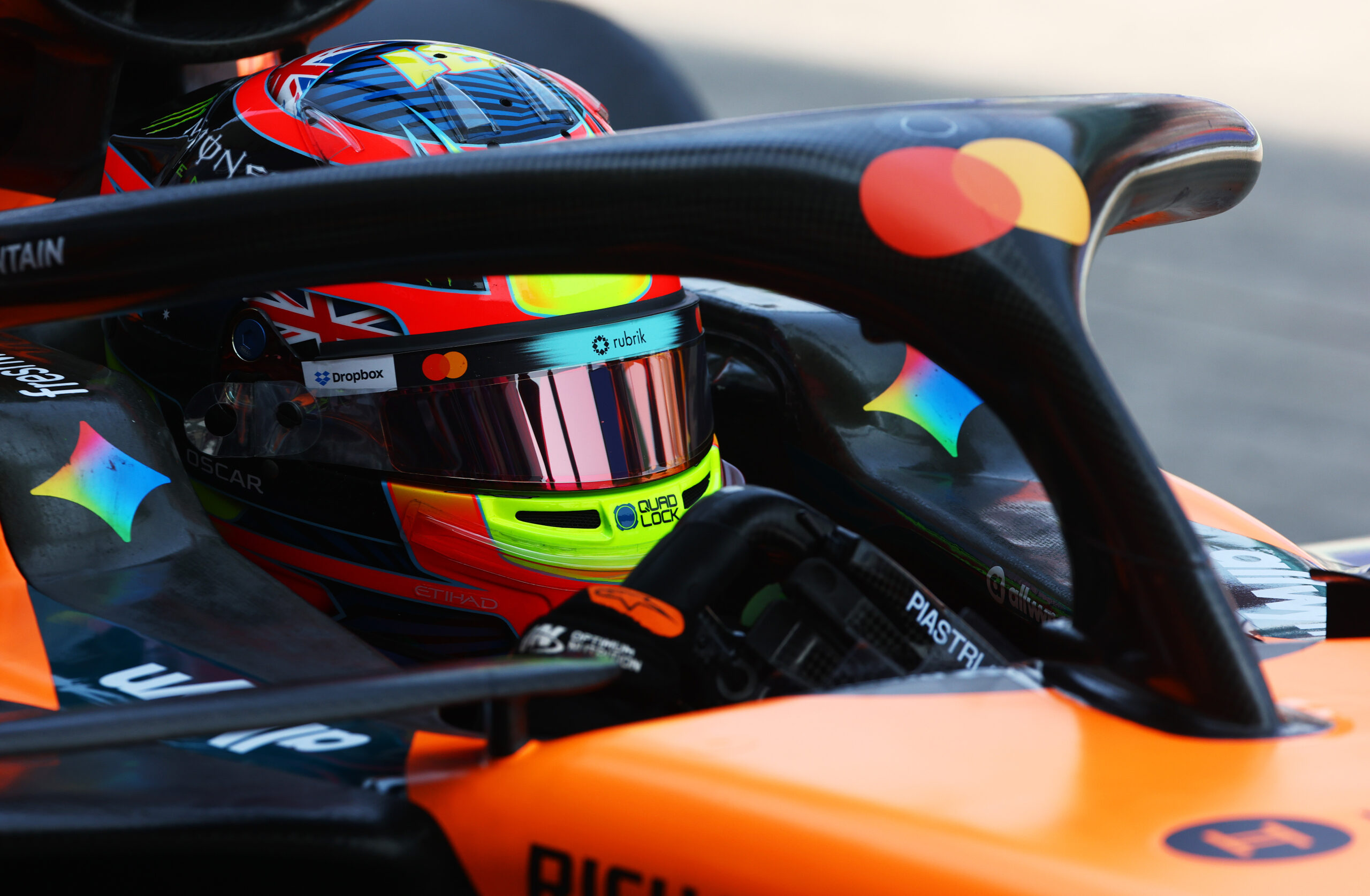
At a media session at McLaren Technology Centre, Oscar Piastri offered insight into the role drivers played in shaping recent 2026 F1 regulation changes with the FIA, and how those discussions could continue throughout the season.
Speaking candidly at Woking, Piastri explained that much of the feedback process came through the collective voice of the Grand Prix Drivers’ Association (GDPA), rather than individual lobbying.
“I mean, it was mainly through the GPDA, there’s a lot of discussion amongst all of us,” he said. “I think it wasn’t really for us to suggest changes. We had some ideas on how things could look, but, I think for us as drivers, the two main things we wanted addressing was, reinstating that challenge in qualifying and making things more natural in the way it should be in qualifying.”
Reducing the closing speeds and the safety in F1 2026
Those concerns centred around both the spectacle and safety of Formula 1, particularly in how sessions unfold across a race weekend. Piastri highlighted that the drivers’ priorities weren’t about rewriting the rulebook overnight, but about restoring a more authentic competitive flow.
“And being able to close the, reduce the closing speeds and the speed differences, in, in the race in unexpected places,” he added. “I think that was our main aim.”
According to Piastri, the FIA and F1 have responded in a serious and constructive manner, with clear signs that driver concerns have been taken on board.
“The FIA took it very seriously. F1 took it very seriously. I think that’s reflected in some of the changes and the dialogue’s been very good.”
The evolving nature of regulations in 2026
While early signs are positive, Piastri acknowledged that the evolving 2026 F1 regulations mean further tweaks may still be required as the season progresses.
“We’ll have to wait and see if, if we need further changes,” he said. “I think we probably had ideas of other things that you could change, but they’re not things you can change from one weekend to the next that, from year to year or, even, even longer term than that.”
For now, though, the Australian believes the governing body has struck the right balance in its initial response.
“So, I think the FIA did a good job of recognising our concerns and acting in, in what seemed like the most appropriate way.”
As Formula 1 continues to adapt, the collaborative relationship between drivers and officials looks set to remain a key factor in shaping the sport’s direction—not just for this season, but well into the future.