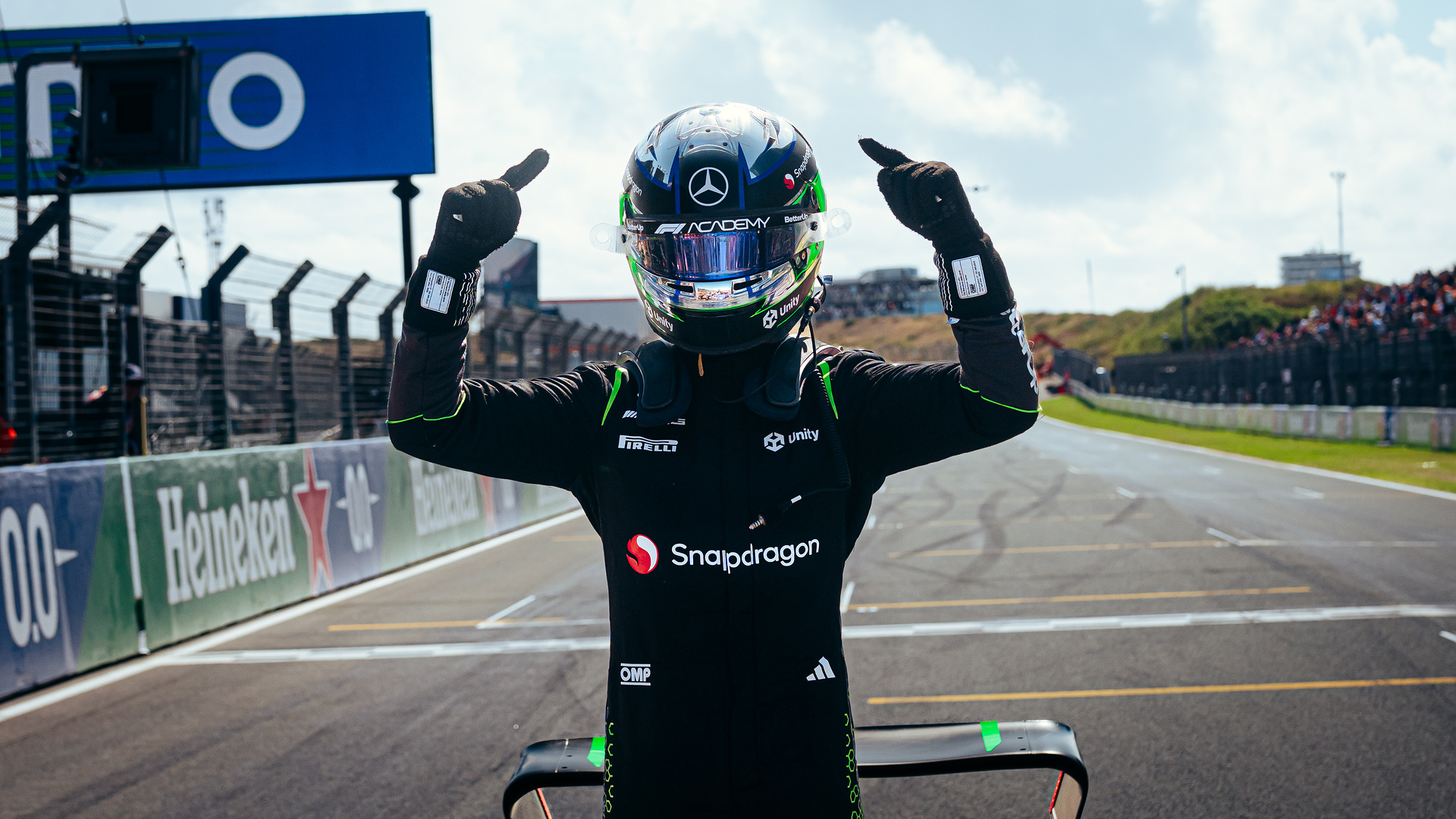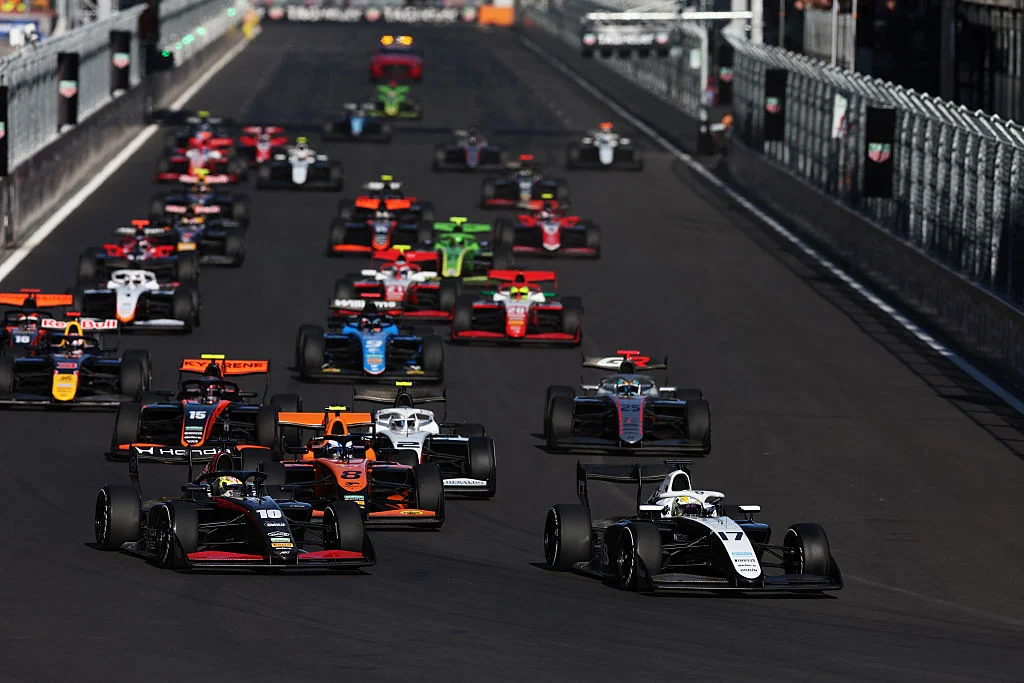
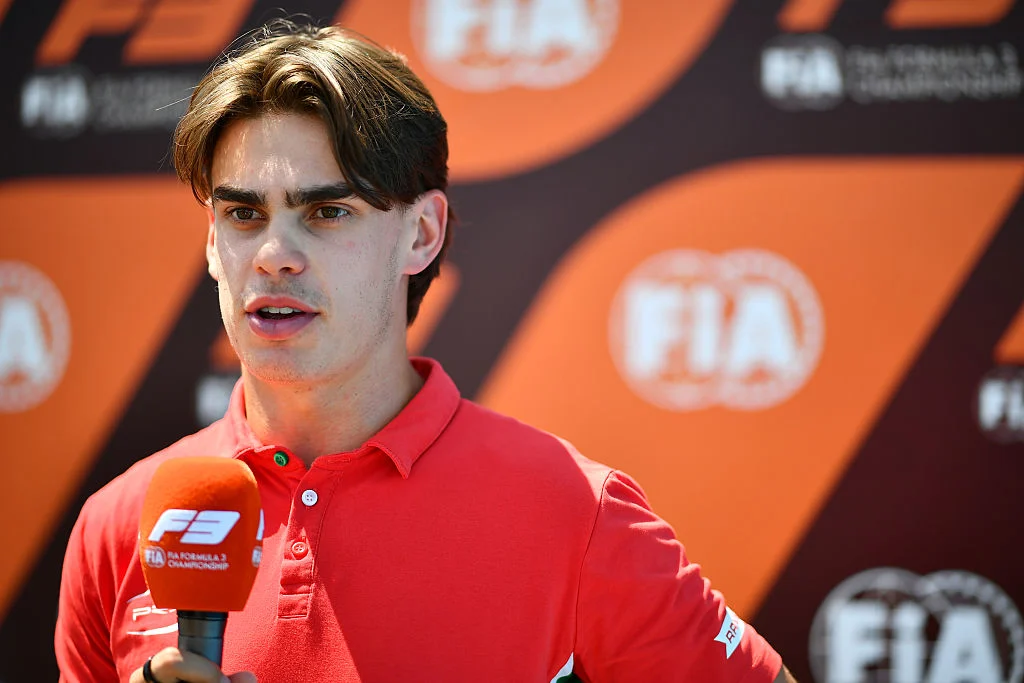
After a lengthy break in the 2026 FIA Formula 3 (F3) season, James Wharton is ready to return to the grid at Monza for the penultimate round of the campaign.
Speaking in the 2026 FIA F3 Monza Virtual Media Roundtable, with Pit Debrief in attendance, Wharton discussed the unique challenges presented by the return of two-group qualifying, the impact of Monza’s additional DRS zone and the benefits of having a longer F3 calendar.
The PREMA Racing driver has used the extended gap between rounds as an opportunity to reset ahead of the final two weekends, while the Monza weekend itself will present a different challenge with the return of split qualifying.
The format was previously used at Monaco and will once again require drivers to make the most of a shortened session, with slipstreaming expected to play a major role around the high-speed Italian circuit.
Wharton believes the format could leave drivers with little margin for error, particularly given the limited running available in F3.
“Yeah, I feel like there’s very different reasons why we have the group to Monaco, why we have the group to Monza, but at the end of the day, as you’ve all said, it’s such a game to get a slipstream and I’m not sure if the groups help too much on a track like Monza,” Wharton explained.
“But at the same time, it’s got to always be a little bit of a game and it’s a qualifying session, as you said, so we’re only probably going to get one push, which is obviously tough, and the tough part about F3 is the limited laps, so having a one-push quality is never easy.”
Monza to feature an additional DRS zone
While qualifying will create its own challenges, the 2026 F3 Monza Round will also feature an additional DRS zone between Turns 10 and 11, something Wharton expects to have a particularly significant impact during the races.
“Yeah, as I said, the DRS zone in the races is probably going to be more effective than in qualifying,” he said.
“I feel like it probably helps a little bit with how close you have to be to the car in front, but that extra DRS zone, you can be a little bit further behind. So, it makes it a little bit easier.”
The added overtaking opportunity could also make it difficult for any driver to control the race from the front, with Wharton expecting the final lap to be particularly important.
“So, let’s say you get a clear lap in quality and then in the race, I feel like it’s definitely going to change a lot of the way the racing is and I feel like leading the race until the last lap is going to be quite useless,” he continued.
“I feel like last lap will be a big change and I feel like this will be one of the races where last lap changes a lot and I feel like the lead is going to change a lot more than it ever has before.”
Making the most of the summer break before the end of the season
With Monza marking the championship’s return after a lengthy summer break, drivers have also had to find a way to regain their rhythm before the final two rounds.
For Wharton, the time away from the car provided a valuable opportunity to step back and reset after a challenging campaign.
“Yeah, I feel for different people, the break does different things when you’ve had a tough season,” he said.
“It’s really good just to step away for a little bit and refocus and just get back in the mindset of having a strong end of the season. In my case, it’s been very, very good just to have a little break and be able to have a tiny reset before moving forward into the next two rounds and then for the rest of the year.”
However, Wharton believes the lengthy gaps between F3 rounds highlight a wider issue with the championship calendar.
Reflecting on the progression from karting to single-seater racing, he pointed out how drivers go from racing almost every day in karting to competing regularly in Formula 4, before suddenly having far fewer opportunities to drive once they reach F3.
“Yeah, I feel F3 is very particular in the way we do things and we start our career driving nearly every day, in karting,” Wharton said.
“Then we go to Formula 4 driving, you know, let’s say every week and you make the step to Formula 3 and you barely drive and don’t have too many laps to get comfortable. And I feel for some drivers it’s very, let’s say, a challenge.”
Adding more races to the FIA Formula 3 calendar
For Wharton, he believes adding more races to the F3 calendar would be beneficial for all drivers.
“But for us, we feel like we have a little bit too long a break between races. So for me, we just need a couple more races on the calendar just to, let’s say, be in the car more often and be driving a little bit more,” he explained.
“Because at the end of the day, 10 weekends is not that many and we’re doing 14 less than F1, so it shows that there’s a lot more races to do.”
Wharton believes extending the season would not only give drivers more time behind the wheel, but could also add greater depth to the championship itself.
“And I feel like it will, let’s say, help the championship as well, be a little bit longer because having this break, we only have two races left, so the championship is sort of over the road.”
With just Monza and the season finale in Madrid remaining, Wharton now heads into the final stretch looking to make the most of the opportunities left in his second full F3 campaign.