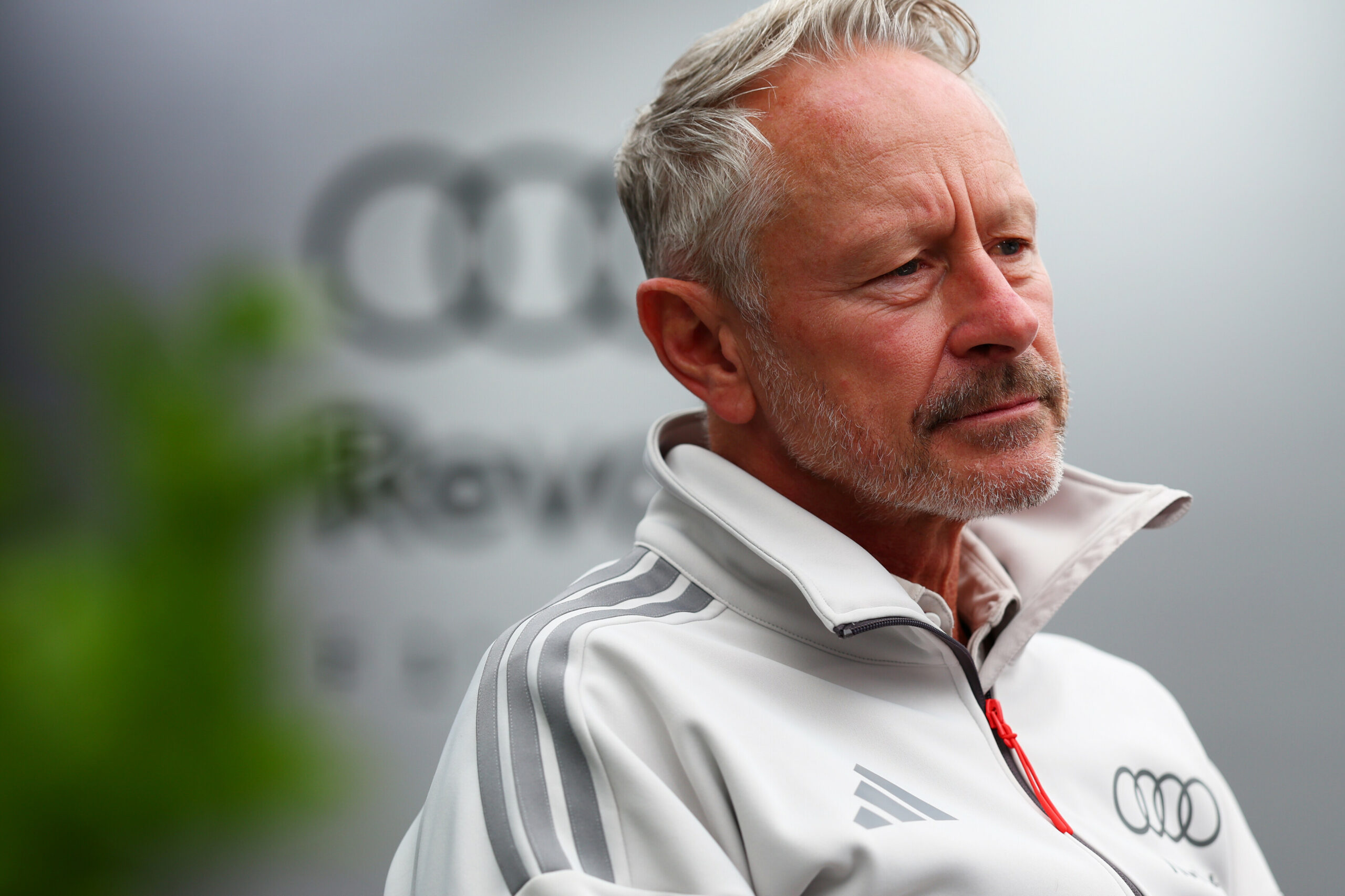
Team principal Jonathan Wheatley opened up about Audi’s expectations ahead of the season opener, sentiments following the race, potential updates to the engine, and Gabriel Bortoleto’s battle with Arvid Lindblad after the German squad scored points on their F1 debut at the 2026 Australian GP.
Despite claiming a spot in Q3, Bortoleto was ultimately unable to set a time in the final segment of qualifying due to a gearbox issue.
While his start on the medium compound wasn’t ideal, the Brazilian managed to pit twice for the hard tyres under the VSC. His tyre advantage notwithstanding, he eventually crossed the line in ninth place, less than a second behind Lindblad. Nevertheless, the former F2 champion delivered Audi a dream start to life in F1.
Meanwhile, Nico Hülkenberg set the eleventh-fastest time in qualifying and missed out on Q3 by less than a tenth.
Unfortunately, the German couldn’t turn his solid starting position into a battle for points at Albert Park, as a technical problem with his R26 sidelined him before the formation lap.
Wheatley on Audi’s historic F1 debut at the 2026 Australian GP
Speaking in a print media session after the F1 race, Jonathan Wheatley discussed Audi’s pre-season expectations and whether they were surprised to score points on debut. He revealed that they had focused solely on their own performance during winter and testing and steered clear of inter-team comparisons.
Although he admitted that Audi were cautiously optimistic about the R26’s performance at the 2026 Australian GP after encouraging pre-season testing, Wheatley stated their primary objective was to carry out a clean race weekend.
Confessing that their finish in the top ten, albeit historic, was still a big surprise, the Brit also added how disappointing it was to see Hülkenberg encounter a DNS in the opening round. Nonetheless, he maintained that the team should take pride in starting the 2026 F1 season off on a strong note.
“I think we spent the winter focussing on ourselves, not getting caught up in what other teams’ performance was like, not spending hours analysing everyone else’s runs in Bahrain.
“We just wanted to come here and execute a clean race weekend. We had some encouraging testing, and we came here feeling reasonably confident in terms of the performance of the car.
“But if you would’ve said to me, I could swap anything and give you P9 in the race, I would have taken your hand off earlier in the week.
“So look, I think it’s been a very encouraging first race for the team, a historic moment, Audi Formula 1 car scoring points in its first ever race.
“I feel the yin and yang that the other driver didn’t get a chance to start the race. But all in all, I think we can hold our head up high and say it’s a good start to our journey.”
Wheatley’s thoughts on Audi’s engine and potential updates
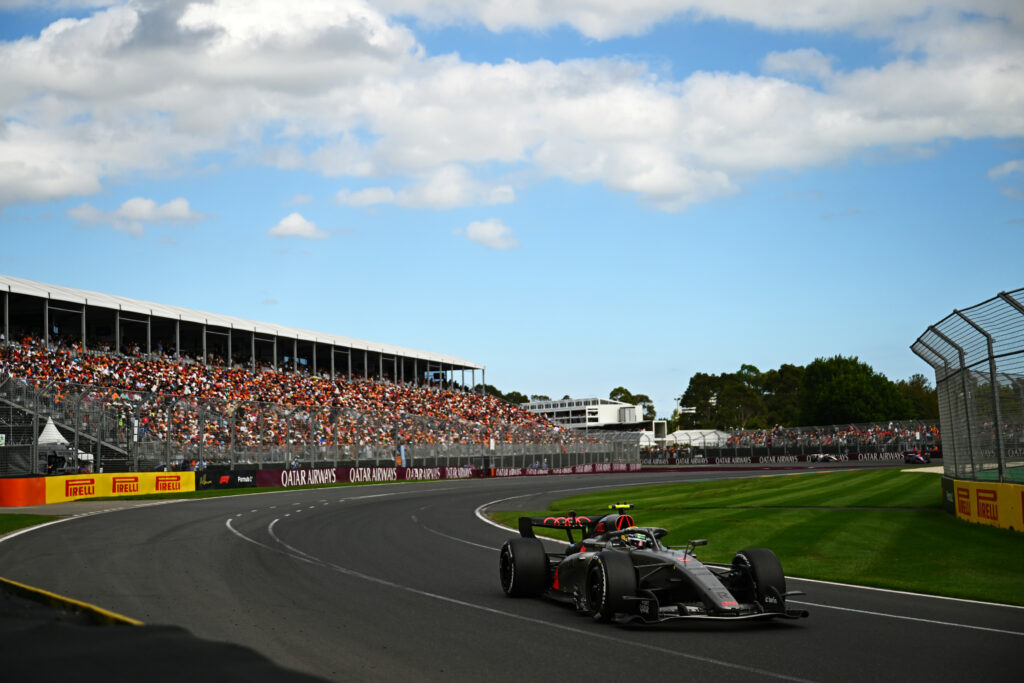
In reference to Bortoleto identifying Audi’s homegrown power unit as a weak point of their relatively solid car and how long it would take to introduce upgrades, Jonathan Wheatley responded, “It’s not that easy to update the engine.”
Noting how F1 is undergoing the biggest overhaul of regulations in its history, the 58-year-old highlighted that the new ruleset is still at its nascent stage and that the overall development of the cars, including the power units, will be gradual.
Furthermore, Wheatley proclaimed that the cars that will take to the track in the opening rounds of the next few seasons will already be radically different from the ones we witnessed at the 2026 Australian GP. He explained that we can expect to see more potent engines and closer racing as the cars go through more refinement throughout this regulation cycle.
“I think if you look at all the teams, we’re at the very early stages of this set of technical regulations. I know we keep saying it, but it’s the most huge change in technical regulations in my time in the sport, perhaps ever.
“The sophistication of the cars is going to be very different in race one in 2030, or 2026, 27, 28, 29. As the cars get more sophisticated, the engines become more efficient, the racing becomes closer.
“I think we’re just at the early set of these regulations, and it’s just a case of developing our cars all the way through it, including the power unit.”
Wheatley’s take on why Bortoleto couldn’t claim P8 at the 2026 Australian GP
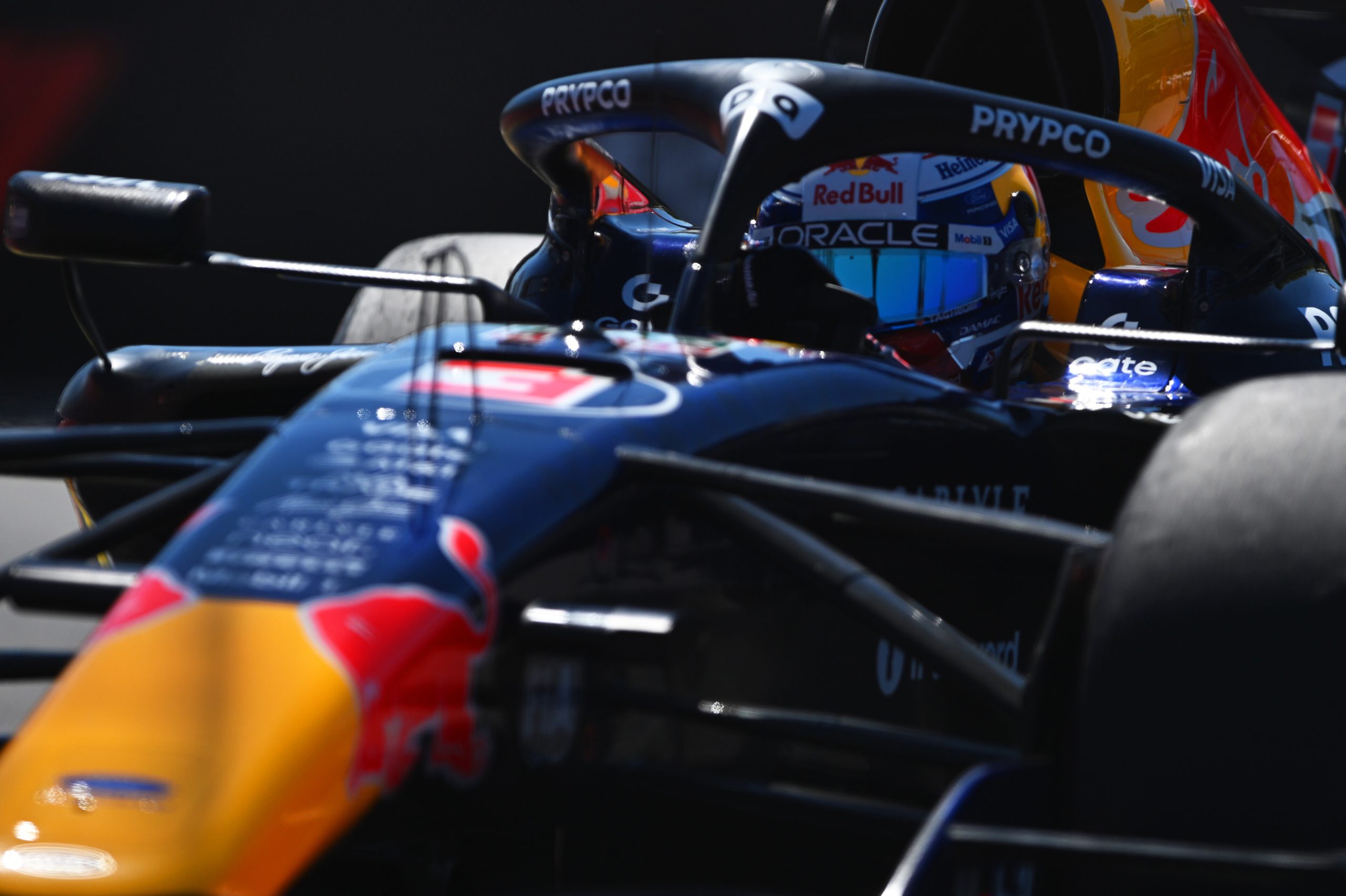
Asked to shed more light on why the gap between Bortoleto and Lindblad increased from three tenths to 0.959 seconds at the end of the 2026 Australian GP, Jonathan Wheatley commented that the better efficiency of the Red Bull Ford power unit had prevented the 21-year-old from making a pass.
Moreover, the Audi F1 team principal touched on how a more efficient engine aids better energy recovery and deployment across a lap and emphasised that Racing Bulls’s deployment mode varies significantly from their own due to respective power unit characteristics.
Referring to the intricacies of the new boost and overtake modes, Wheatley additionally revealed that Bortoleto’s energy deployment on the final lap simply wasn’t enough to assist with an overtake, despite him trying out different configurations.
“The performance of the cars comes down to the efficiency of the engines in that respect. The more efficient the engine is, the better your recovery is, or harvesting, and the better your deployment is. So, it tends to be that a more efficient engine probably has more energy to be used over the course of the lap or uses it more carefully.
“Now, I don’t want to get into Mattia’s [Binotto] area because this is very much his specialty. What I’d say is that the way that Racing Bulls use their energy is very different to the way that we do at the moment.
“I guess at some point it’s literally down to everyone doing the same thing at the same time. It was fascinating; Gabi [Bortoleto] trying different things. The way he tried his energy on the last lap might have worked. But it didn’t put him in the position to overtake in the end.”