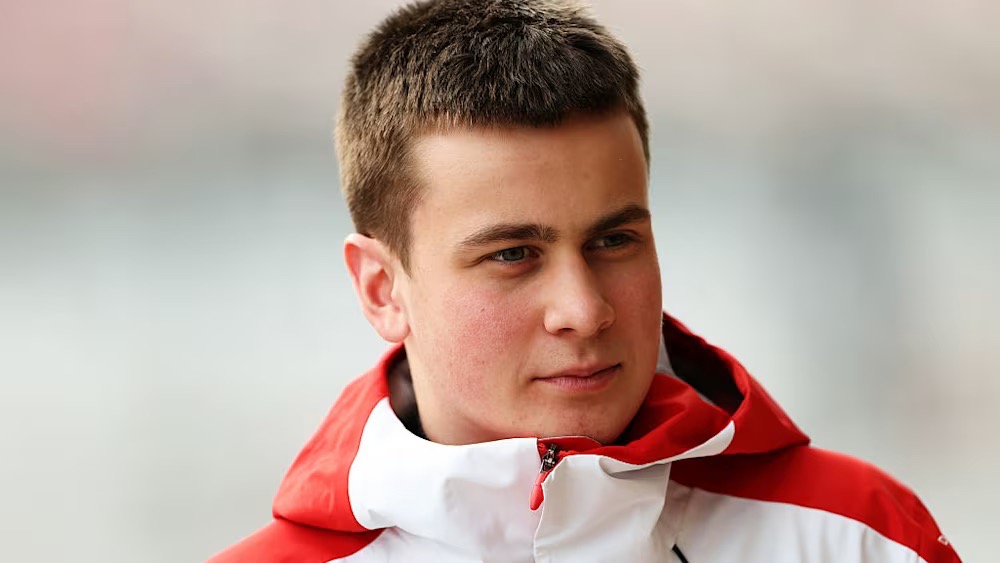
Tuukka Taponen offered a measured insight into the key factors shaping a young driver’s progression through the junior single-seater ranks, reflecting on both the foundations laid early in his career and the demands of racing at the sharp end of F3.
Speaking ahead of the 2026 F3 season started in Melbourne, Taponen highlighted the balance between preparation, adaptability, and execution required to succeed at this level.
A strong foundation at PREMA sets the tone for Taponen’s early single-seater development ahead of F3
Reflecting on his early career, Taponen highlighted the importance of starting his single-seater journey with a team as established as PREMA. He pointed to the outfit’s long-standing success and consistent presence at the front of the field, which created an environment built on high standards and clear expectations. Within that structure, he was able to develop key skills and gain a deeper understanding of what is required to perform at a competitive level.
Taponen noted that this early grounding played a crucial role in shaping his progression, as it allowed him to build confidence and establish a solid platform for the years that followed. The experience not only supported his immediate development but also helped him carry valuable momentum forward as he continued to climb the motorsport ladder.
“Yeah, with PREMA, it’s a very legendary team, obviously. They have had a very strong career all the time they have been on track, to be honest. It’s quite nice to have been able to build a strong, let’s say, platform in my early days of my single-seater career. They teach you very well, so you can kind of achieve that momentum when you carry on your career.”
Preparation over pressure as Taponen focuses on delivering when it matters most
Addressing the pressure of crucial qualifying moments, Taponen downplayed the complexity of the situation while acknowledging its intensity. He explained that, despite the stakes, it ultimately came down to executing a single lap when it mattered most. For him, thorough preparation proved to be the key factor, as it allowed him to approach those final moments with clarity and confidence rather than hesitation.
He suggested that doubt often led to overthinking, which in turn increased the likelihood of mistakes. With a solid foundation laid before the session, however, he felt the task became far more straightforward in execution. While he admitted that the reality of having only one decisive attempt was far from easy, he maintained that trusting the preparation and committing fully to the lap made all the difference.
“Yeah, it’s very easy. It’s just one lap, so you need to deliver on that, but I think what helps you on that is a good preparation. When you do, then it’s in the end just doing it.If you have doubt on something, you probably start to think too much and then you can make a mistake. So it’s quite simple in the end, even if it’s not simple because you have just one lap.”
Adapting to chaos as Taponen navigates the unpredictability of a crowded F3 field
Speaking on the challenges of racing in F3’s crowded and highly competitive field, Taponen highlighted the unpredictability that comes with such a large grid. He explained that while drivers could approach sessions with a clear plan, the reality on track often shifted rapidly, with constantly changing circumstances affecting every lap. Traffic, varying run plans, and different pace levels meant that situations evolved almost moment by moment.
As a result, Taponen stressed the importance of staying adaptable and alert throughout each session. Rather than relying too heavily on a fixed approach, he underlined the need to react quickly and make smart decisions in real time. Avoiding unnecessary mistakes, particularly in busy conditions, remained a key priority, as even small errors could have significant consequences in such a tightly packed field.
“You can plan to do something for free practice and qualifying. But again, it’s changing a lot of times. Sometimes someone is pushing, sometimes someone is on a cool [lap]. It’s basically changing every minute. So you just need to be ready for everything. Yeah, just to make sure you don’t do any stupid things like impeding and stuff like that.”