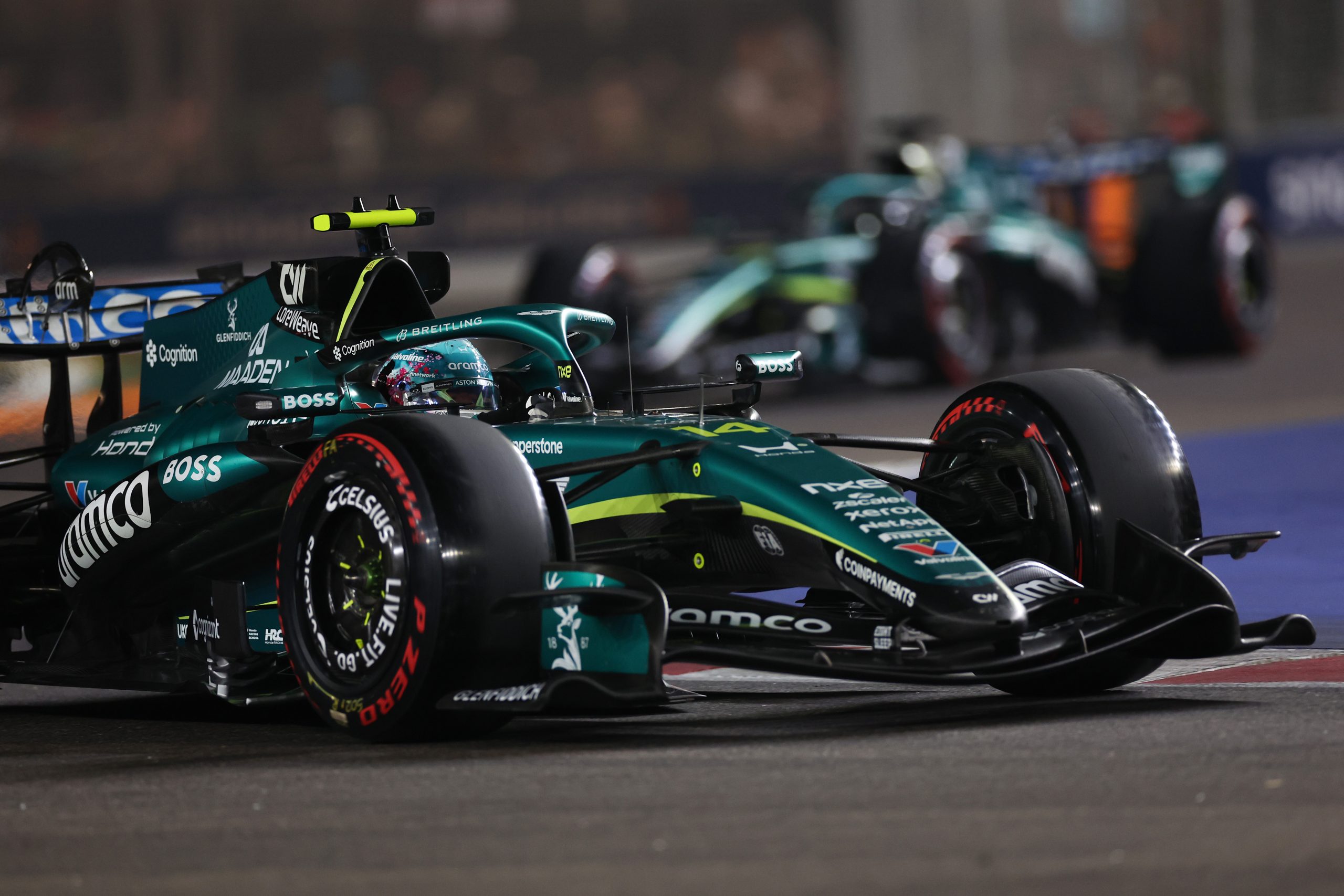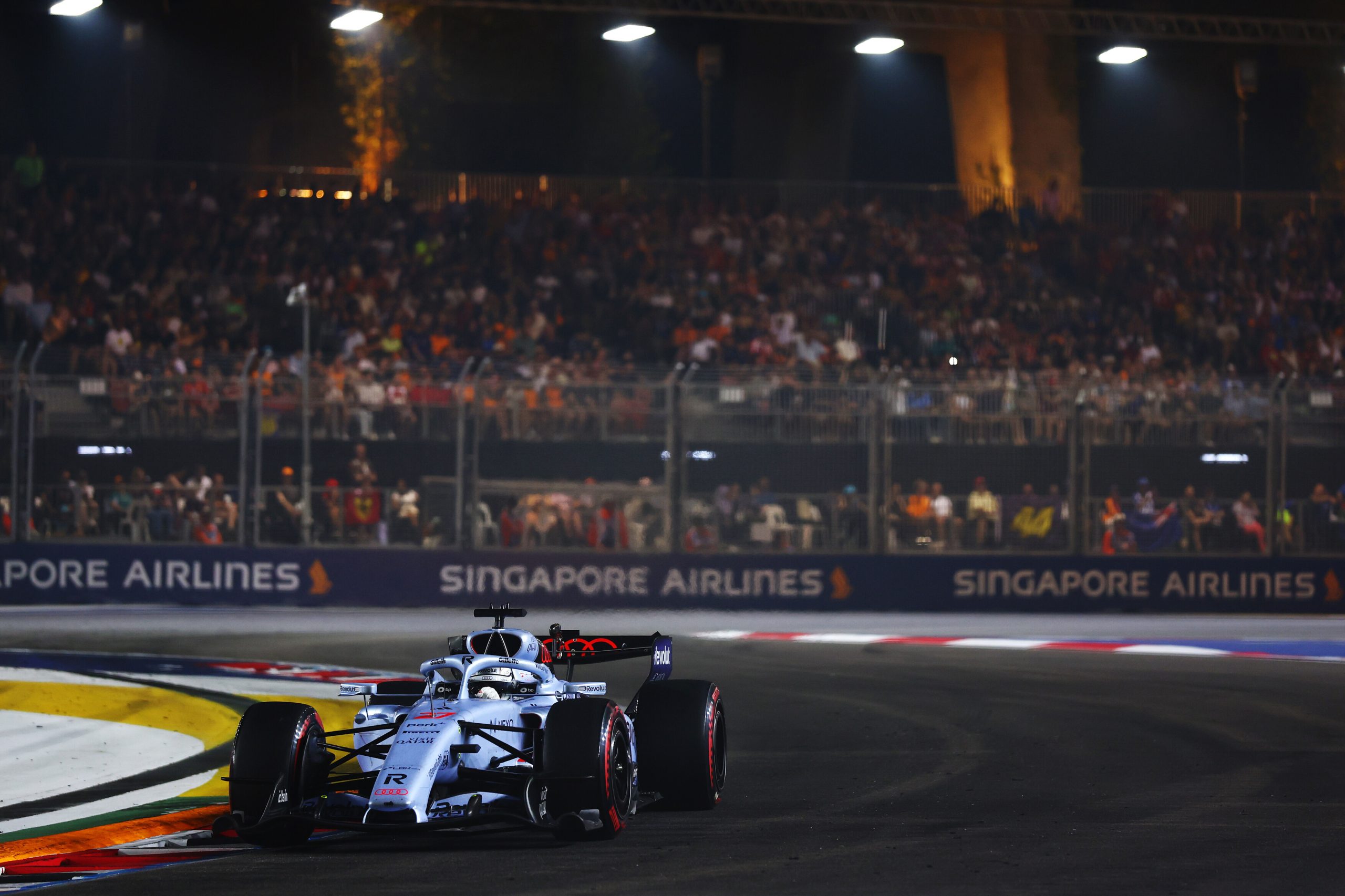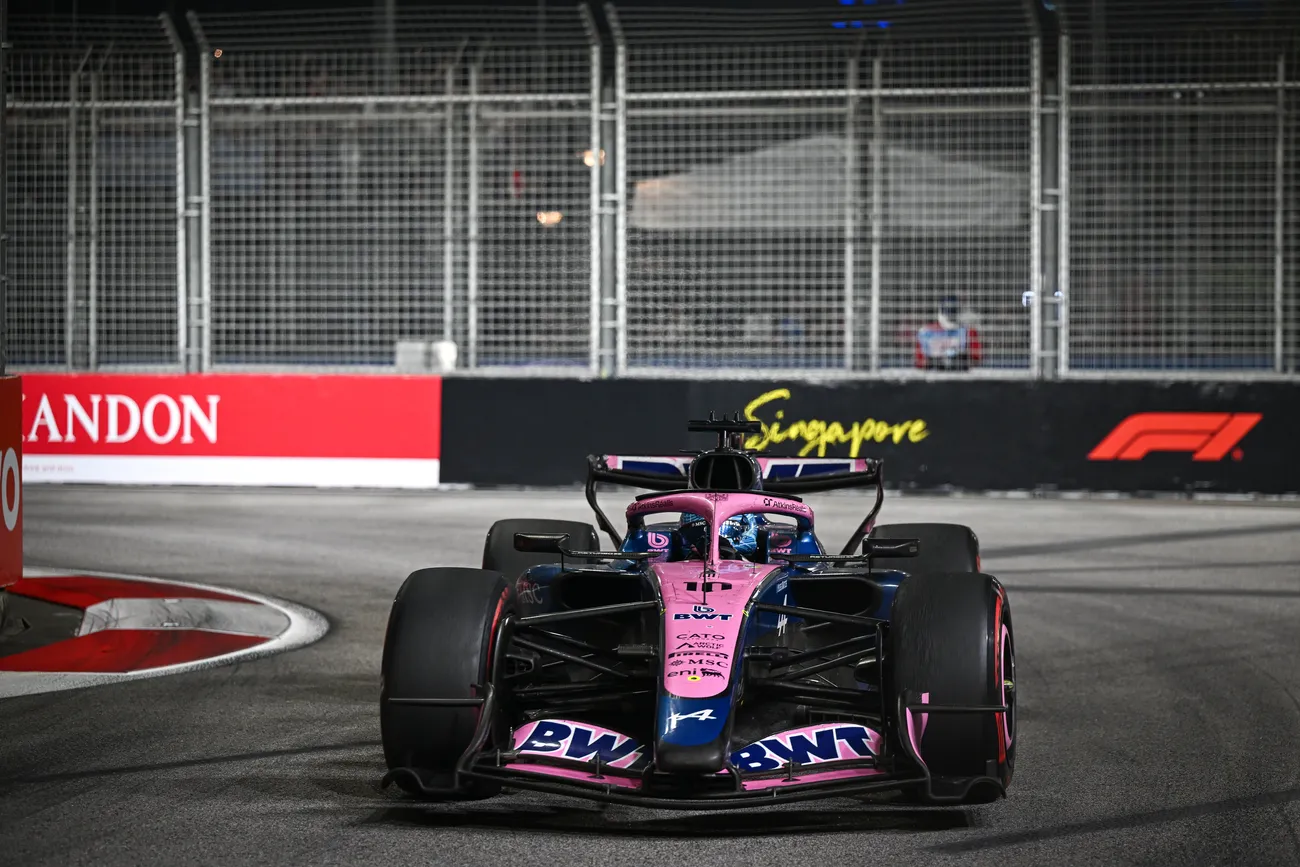
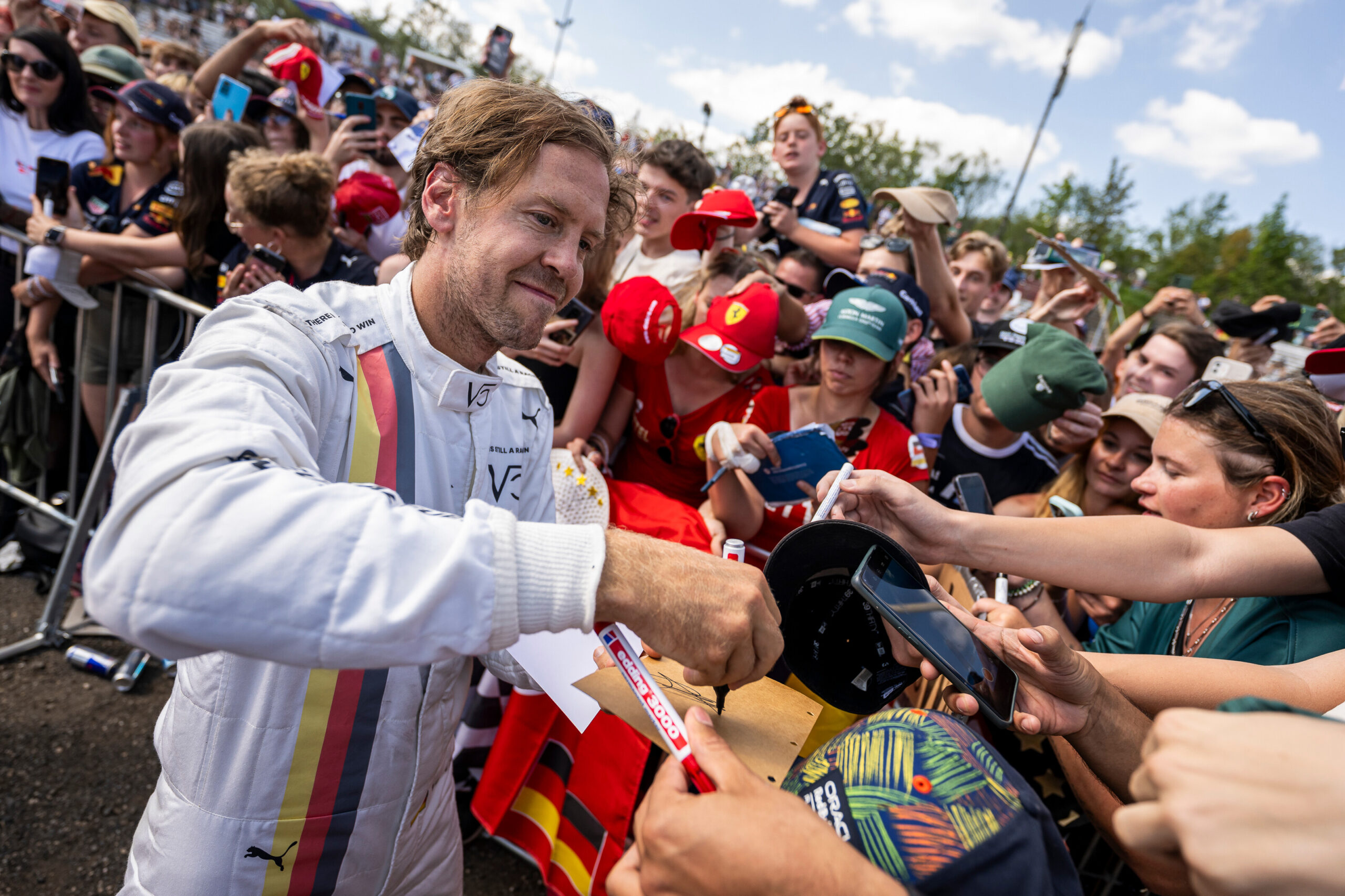
Four-time world champion Sebastian Vettel has weighed in on the contentious 2026 F1 regulations and the proposed changes that are set to come into effect from the Miami GP in early May.
The introduction of the new power units and chassis has undoubtedly produced more on-track action than in the past few seasons. However, the first three rounds have also exposed the sport to major headaches concerning safety, the quintessence of qualifying, the artificial nature of racing, and the diminished input of drivers.
As F1 entered a month-long break following the Japanese GP, the FIA and the sport’s key stakeholders held a series of meetings to discuss the potential revision of the new regulations. The agendas pertained to not only adjustments to the energy equation in qualifying but also reducing the risks that massive speed differentials between cars currently pose.
On April 20, the FIA, FOM, the OEMs, the power unit manufacturers, and the F1 teams convened for a follow-up talk to consider the proposed recommendations from previous technical meetings and arrive at a consensus on the initial tweaks they would implement in Miami. The agreement they reached covers four specific areas: qualifying, race conditions, race starts, and wet weather running.
Vettel’s take on the 2026 F1 regulations
The new engines, featuring a near 50-50 split between the internal combustion engine and electrical energy, have a noticeable impact on driving styles over a single lap and race distance.
As a consequence, several drivers, including Charles Leclerc, and a die-hard subset of F1’s global fanbase have expressed their frustrations over how the extent of energy management now required on a flying lap is inherently antithetical to the traditional flat-out approach.
The drawbacks of the latest technical overhaul, however, are not just limited to a qualifying lap. Max Verstappen, in particular, has been vehemently critical of the new ruleset and the Mario Kart-esque racing it produces. With complex algorithms mapping the harvesting and deployment of energy, drivers no longer have complete control over how and where they defend against or overtake a car.
Sebastian Vettel, who received ‘The Perfect World Foundation Award 2026’ in Gothenburg, told SVT Sport on Tuesday that he stands by the current F1 drivers who are critical of the adverse impact the 2026 regulations have had on the fundamentals of racing.
The German also expressed caution that the top tier of motorsport, which entails the fastest drivers racing the fastest cars around racetracks in different corners of the world, risks losing its DNA due to the flawed new regulations.
“From a sporting side, I hear and I echo the criticism because the cars are probably fun to drive but it’s probably not so much fun to race because of the regulations and the difficulties that come with that.
“So, I sympathise with the drivers and I am very critical not to lose the DNA and the heart of the sport which is, you know, finding the fastest driver in the fastest machine to win the race.”
What the proposed changes should achieve
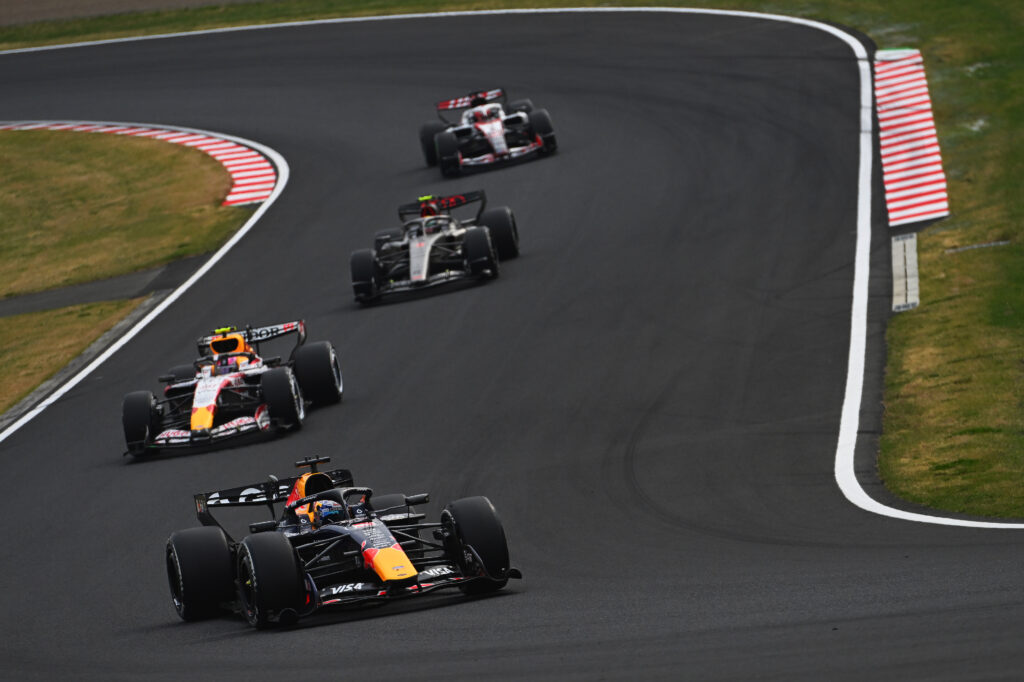
Asked to comment on the proposed revisions to the 2026 F1 regulations that the FIA seeks to introduce at the Miami GP, Sebastian Vettel stated that he hopes the new tweaks, if approved by the WMSC, would successfully address the grievances of the drivers.
Furthermore, the 38-year-old noted how the drivers represent the sport worldwide and why it’s imperative to ensure that they are receptive to the forthcoming changes. He explained that the popularity of F1 and the expansion of its global fanbase directly correlate to drivers’ satisfaction and how thrilled they are to take to the track.
“I have seen it briefly. I hope from a sporting point of view that’s I think what they’re trying to address.
“It makes the drivers happier ‘cause ultimately the drivers are the face of the sport and if they come out of the car and they’re full of adrenaline and very excited it’s what makes people excited on the screens and on the stands as well.”