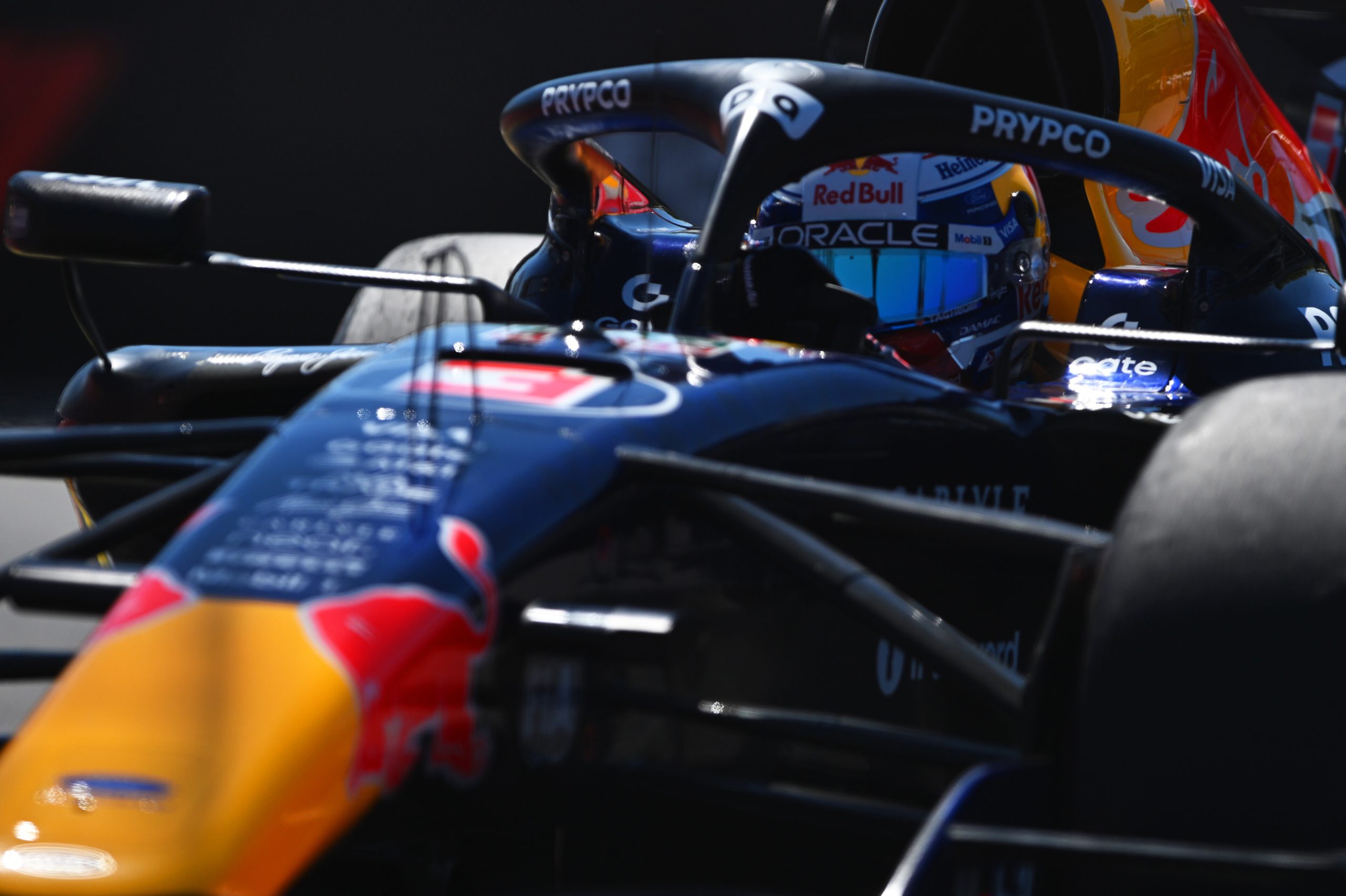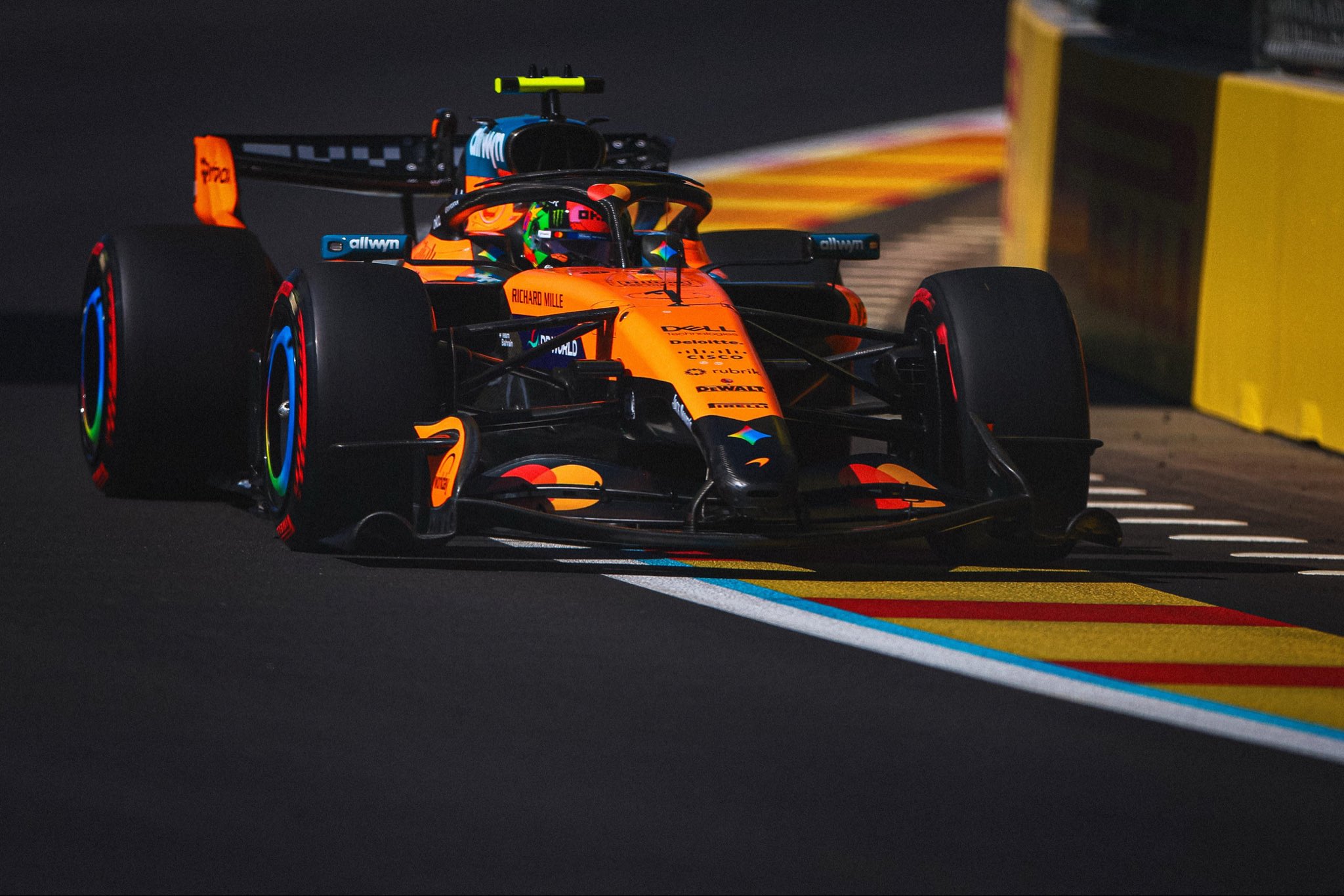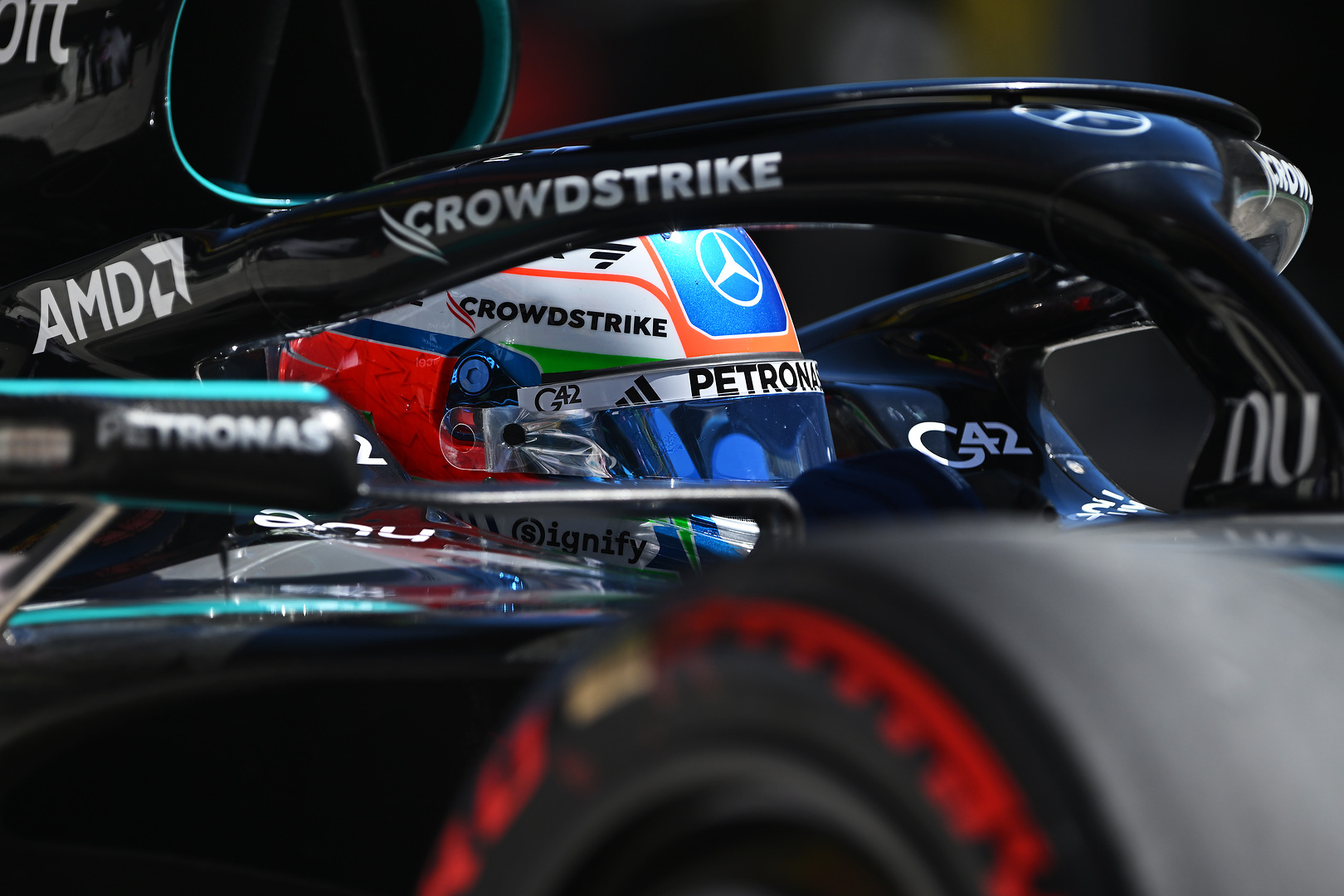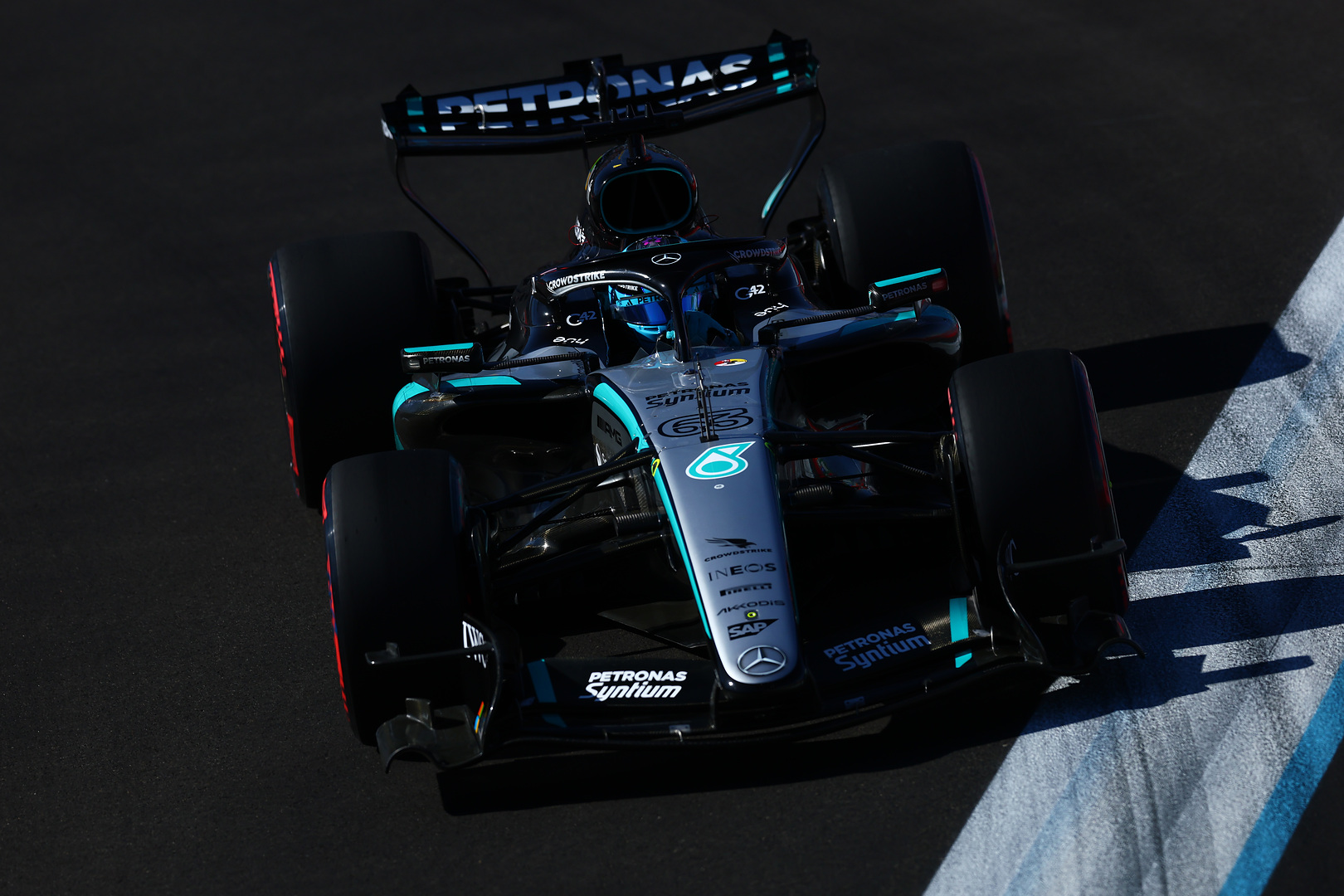
Reflecting on F1’s future engine regulations, the FIA shared that the sport should not rely too heavily on manufacturers when shaping its future.
The 2026 regulations introduced a new power unit featuring a 50/50 split between an internal combustion engine (ICE) and an electric motor. The new era concept attracted major manufacturers and partnerships, such as Audi, Cadillac, Ford (Red Bull), and Honda (Aston Martin).
However, as development continues and discussions move toward the next regulation change, FIA single-seater director Nikolas Tombazis shared that F1 must be cautious not to rely too heavily on manufacturers, particularly given the changing wider automotive and political landscape.
Tombazis on manufacturer expectations in F1
Speaking in a roundtable with selected media ahead of the 2026 F1 Miami Grand Prix, Tombazis explained that manufacturers’ expectations around electrification have not fully happened due to a complex timeline.
“It is true the political landscape has changed and back when we discussed the current regulations, the automotive companies who were very involved told us that they’re never going to make another [new] internal combustion engine again.”
“They were going to phase out and by whatever year they were going to be fully electrical.”
“Obviously this hasn’t happened. That’s not to underestimate the importance of electrification globally, but it didn’t happen as much as said,” he said before highlighting that despite this, the FIA was still able to take a step forward by implementing sustainable fuels.
“Secondly, one of the not frequently discussed stories because it’s not something visible, is that we did go for fully sustainable fuels. And I think that’s a reasonably good outcome.”
Avoiding dependency
Looking ahead to the next set of engine regulations expected in 2031, Tombazis said that the FIA aims to protect F1 from broader economic pressures and uncertainty around manufacturer involvement.
“In terms of where we want to be in the future, we do need to protect the sport from the world macroeconomic situation, meaning we cannot be hostage to automotive companies deciding to be part of our sport or not.”
“We want them to be part of our sport, absolutely – that’s why we’ve worked so hard to secure new ones to participate. But we can also not be in a position where if they decide they don’t want to, we’re suddenly left vulnerable, so we need to keep working for cost reduction.”
Reducing the cost of developing and producing power units would help keep manufacturers involved while opening the door to new independent engine suppliers. Additionally, to keep the sport stable in the future, F1 and the FIA ultimately aim to limit manufacturers’ influence over detailed technical rules.
“And then finally, if we are to change anything for the next cycle, we need to start discussing it very soon because the time it takes to make a power unit and an engine and all that is quite long. So, yes, it may sound a bit strange to be discussing these matters only a few races after we’ve started but that is the natural cycle of the discussion and when it needs to take place,” he concluded.