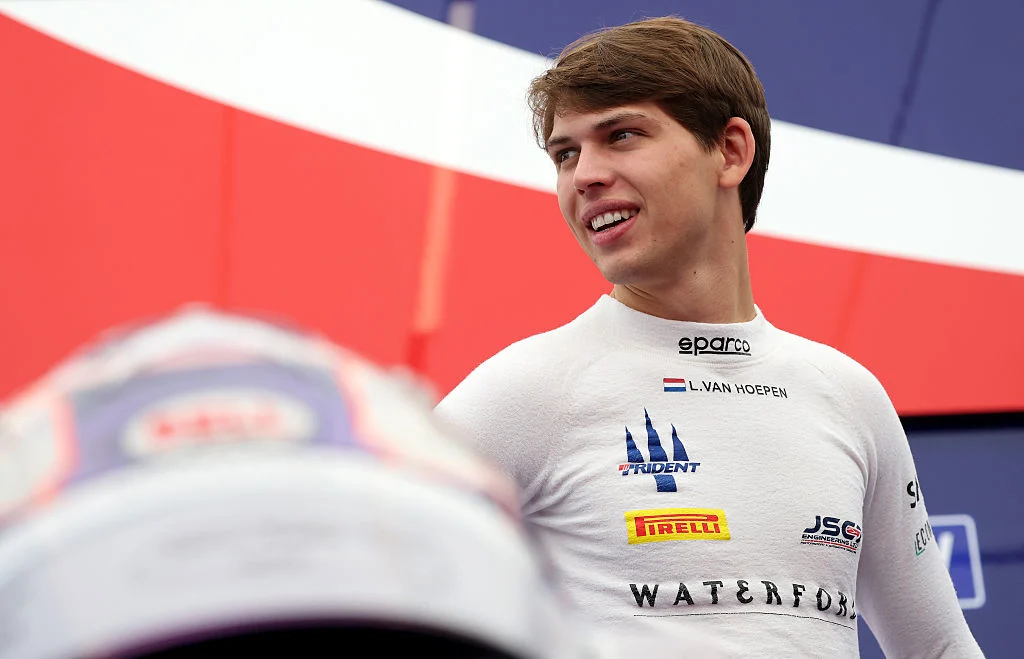
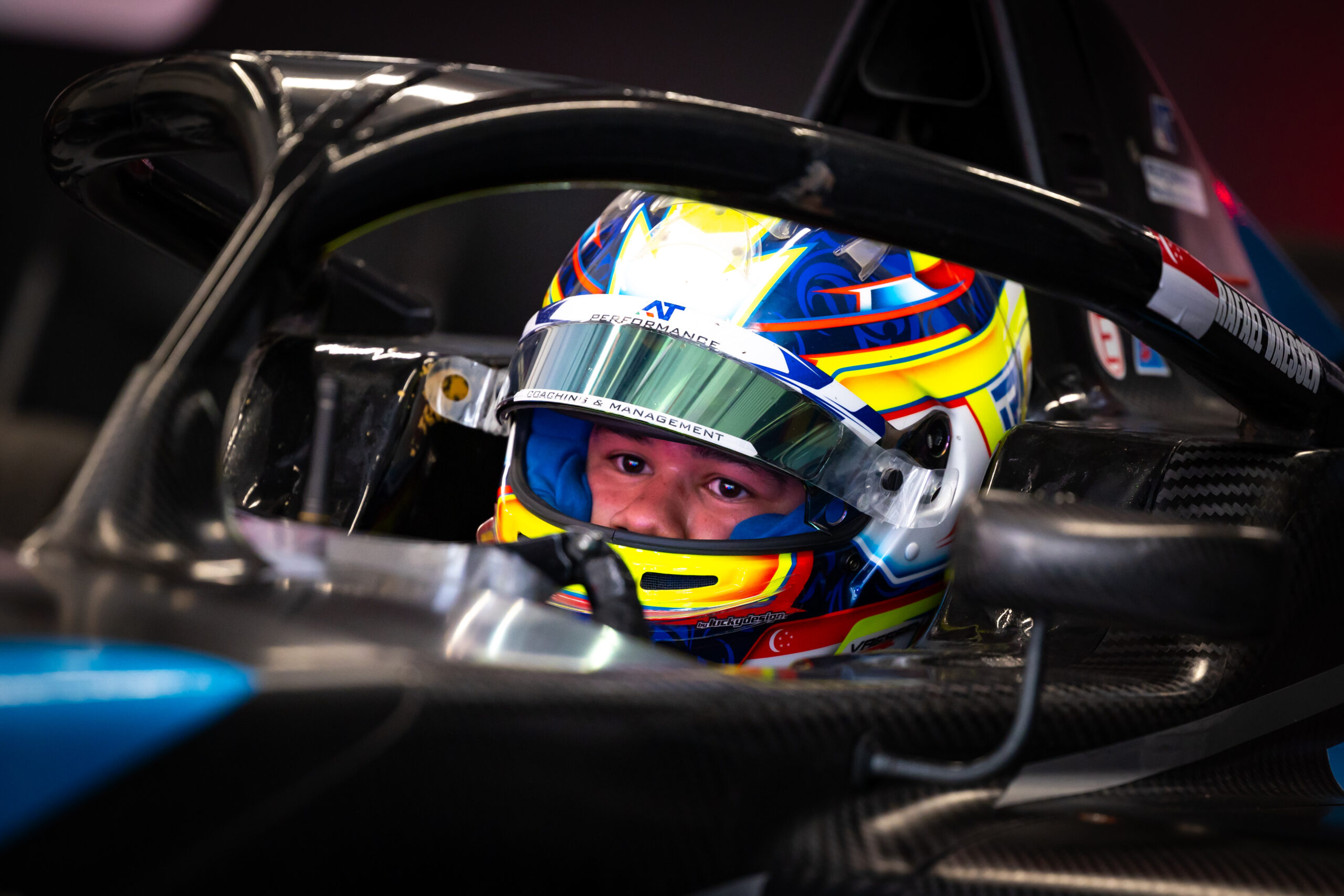
For Rafael Vaessen, the long-term dream remains clear. Like many young drivers, he sees Formula 1 as the ultimate goal. However, his view of his future career in motorsport is also shaped by realism.
As he continues to develop in cars, Vaessen is already thinking about what it means to build a sustainable career in motorsport. For him, success does not depend only on reaching one specific category. It also means becoming the kind of driver who is valued for his skill, trusted by teams, and able to race professionally across different opportunities.
In an exclusive interview with Pit Debrief, Vaessen reflected on Formula 1, the importance of paid seats, his interest in endurance racing, and why young drivers must keep their options open.
Formula 1 and realism: Vaessen on the ultimate goal
For Vaessen, Formula 1 remains the ultimate ambition. At the same time, he understands how difficult that route can be, especially when talent, timing, opportunity, marketability, and budget all play a role.
That realism does not mean lowering his standards. Instead, it shapes how he thinks about the bigger picture. Vaessen wants to build a career where teams want him because of what he can do behind the wheel.
“For me, in terms of where I want to be, in the future, obviously, Formula 1 is the ultimate goal. But being realistic, you have to be lucky and you have to be insanely good. And you need a lot of budget. So being realistic, most drivers will never get there because of just how it is.
A professional seat: Racing because of skill
Beyond the dream of Formula 1, Vaessen’s wider goal is to earn a seat on merit. He wants to reach a point where he races because teams value his ability and trust him to help deliver results.
For him, that kind of opportunity would represent a meaningful step towards the career he wants. It would also show that his work, development, and consistency have earned recognition beyond funding alone.
“But for me, as long as I get into a seat that is paid for and I can race because of my skill, and they want me to be there for my skill, I will be very happy with it. Because that’s what I want to do. I want to just get called and be like, “okay, you want to race for us? We have this time. Can you come over and help us win the race or something?”
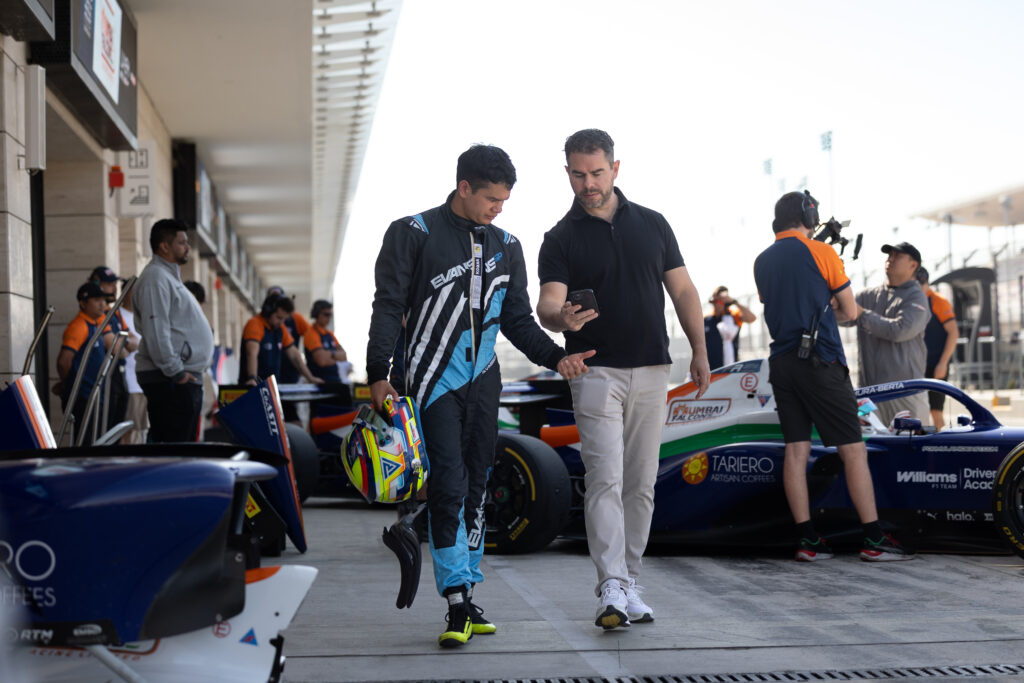
Endurance racing: A possible future beyond open-wheel
While Vaessen remains on an open-wheel path, he can also see a future in endurance racing. That possibility comes partly from the feedback he has received from Andrea Todisco, who has noted his consistency.
Vaessen sees that strength as something that could suit endurance racing later in his career. In a discipline where repeated lap time, focus, and reliability matter over long stints, consistency can become a valuable asset.
“So that’s why I think more when I’m going, when I step away from open wheels, when I finish it, I’ll probably go to endurance racing. Because I’ve been told by Andrea that I’m very, very consistent. I’m very good at keeping the same lap time over and over and over again. So he sees me probably doing endurance towards the later end of my career. That’s for sure.”
The bigger dream: Becoming a professional driver
Vaessen’s thinking also fits with a broader reality in junior motorsport. For many drivers, the ultimate aim becomes securing a professional seat, regardless of whether that seat is in single-seaters, GT racing, prototypes, or endurance.
Vaessen shares that view. For him, the category matters less than the chance to race professionally in competitive machinery.
“Yeah, for sure. If I get to race a GT3, it’s still a race car and they still go really fast. So that’s a dream, just a seat. Doesn’t matter what LMP3, LMP2, GT3… any sort of seat.
That outlook gives Vaessen more than one way to think about success. Formula 1 remains the dream, but a professional racing career can take several forms.
Formula 2: A realistic pinnacle of the single-seater ladder
When Vaessen thinks about the single-seater ladder, he sees Formula 2 as a major goal in itself. For him, reaching F2 would represent an achievement he could take real satisfaction from.
That does not remove Formula 1 from the picture. However, Vaessen recognises that reaching the final step requires more than speed alone. It also involves sponsorship, opportunity, connections, public image, and marketability.
“My ultimate goal is F1, but I would be extremely satisfied is F2. Because F2 is still the pinnacle of the sport, just one level away. But realistically, Formula 1, you need sponsors, you need to be insanely good, you need people to like you at the top level, you need to be PR ready, you need to be marketable. So you have to be a bit realistic. So I would say if I get to Formula 2, I’ll be very pleased with my career.”
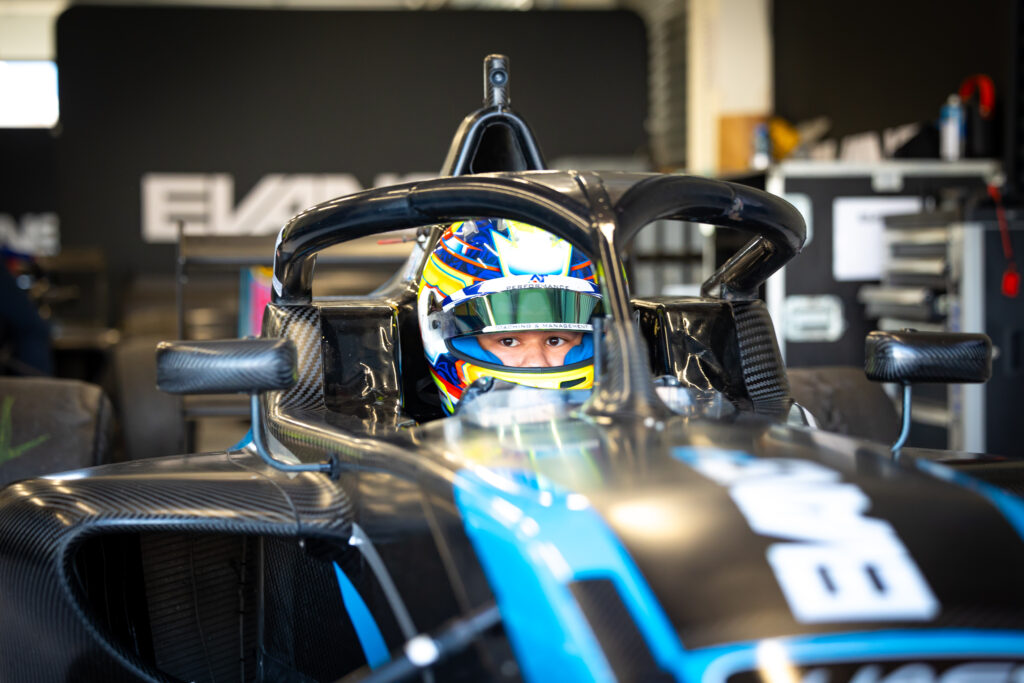
Exploring options: Why drivers need more than one path
Vaessen also understands why many drivers on the Formula 2 and Formula 3 ladder explore opportunities outside traditional single-seaters. If a Formula 1 seat does not become available, drivers need to know where their careers can continue.
For him, that makes a dual-discipline approach sensible. Testing or racing in other categories can give drivers more options when they reach the end of the open-wheel ladder.
“Yeah, definitely,” he replied when asked if he would consider options outside single-seaters. “Because once you reach F2, there is nothing more. If you don’t see yourself getting an F1 seat, there’s nowhere else to go. Unless you have crazy budget to spend a lot of money on F2 seasons or you have crazy sponsors. Okay, yeah, you can focus on F2. But after F2, there are no more seats to go to. There’s no F1.5. So, you have to think about where you’ll be racing next.
Beyond single-seaters: Endurance, Formula E, and sustainability
For Vaessen, the top levels of motorsport extend beyond Formula 1. If Formula 1 represents the highest level of open-wheel racing, then endurance racing, GT3, Le Mans, and Formula E offer other serious career routes.
That is why he believes drivers must stay realistic and consider their options. A sustainable career may depend on recognising where the next opportunity lies.
“Some F2 drivers, they go to Le Mans Series, GTPs and endurance, because that’s the next highest level of motorsport. Formula E or so. So definitely looking at the next top level of motorsport. Because F1 is the highest level of open wheelers. Then you have endurance, GT3, Le Mans. That’s the highest level of endurance racing. So you’ve definitely got to be realistic and explore your options.
That view reflects how Vaessen thinks about long-term development. The goal is not only to climb as high as possible, but also to build a career that can continue when one ladder reaches its limit.
The reality of the ladder: Planning for what comes next
Vaessen can understand why Formula 2 drivers look at other categories. With limited Formula 1 seats available, most drivers need to consider what comes next, even after reaching a very high level of the sport.
For him, that reality makes planning essential. Talent and speed matter, but so does understanding how few drivers can make the final step into Formula 1.
“I can see why a lot of F2 drivers are looking to drive other things or test other things. Because there are 22 F2 drivers. Realistically, one or two make it to F1 in the year. The other 20 drivers either have to spend another $3 million on F2 season or they have to find something more sustainable for their next years. Because most F2 drivers get there and that’s their peak in terms of open-wheel. Because Formula 1 is… 1% get there, less than 1% even.”
For Vaessen, long-term career planning therefore means balancing ambition with realism. Formula 1 remains the dream, and Formula 2 would represent a major achievement. But beyond that, he already understands the value of building skills that can transfer across categories.
Whether his path leads further up the single-seater ladder, towards endurance racing, or into another professional seat, Vaessen’s focus remains on becoming a driver teams want for his skill.