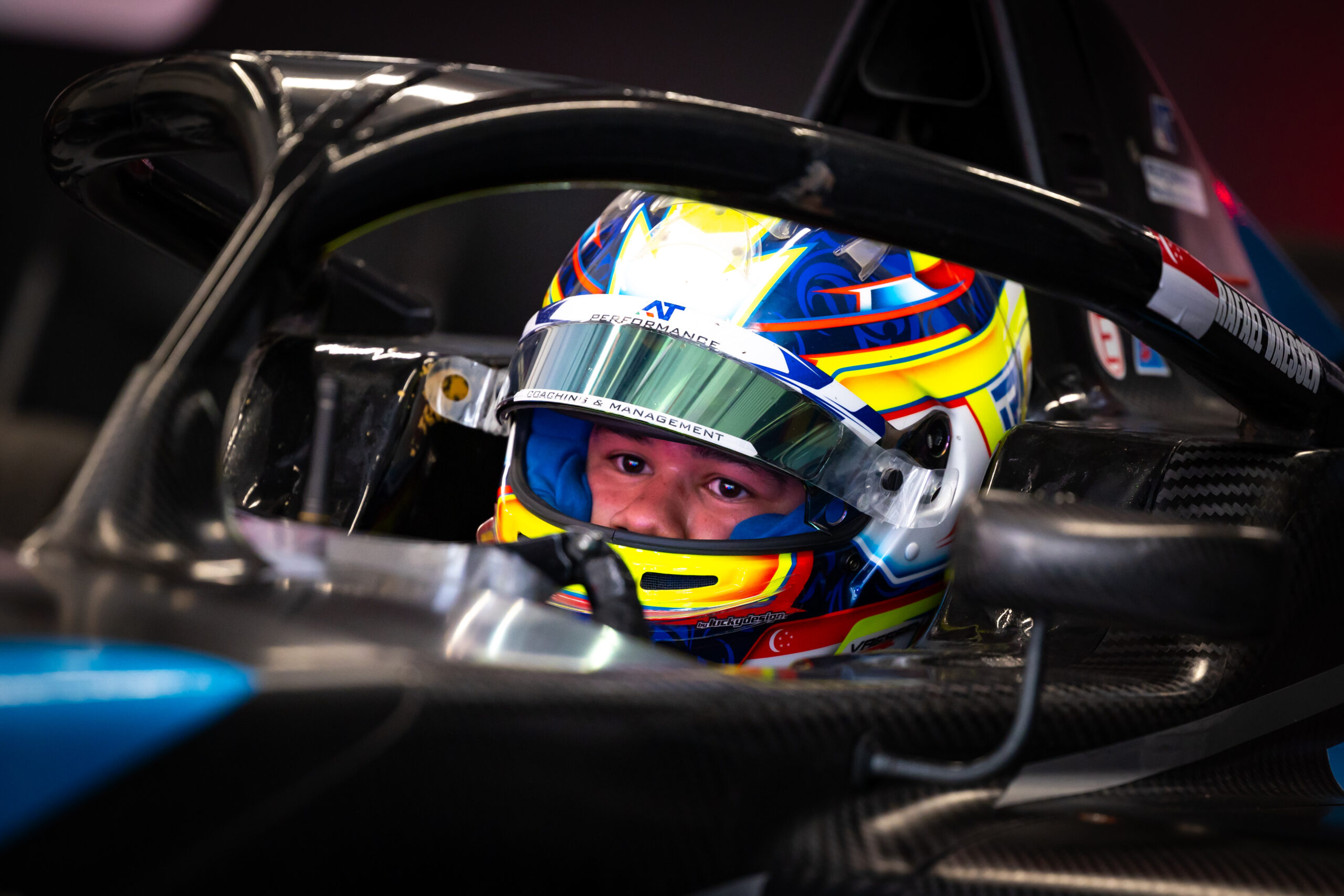
For Rafael Vaessen, some of the most important lessons in motorsport have come from the racing weekends that did not go to plan.
While karting often gives young drivers their first experience of racecraft, pressure, and competition, it also teaches them how quickly momentum can change. A strong start to a weekend can disappear through traffic, contact, or a difficult Qualifying session. For Vaessen, learning how to respond to those moments became a key part of his development.
In an exclusive interview with Pit Debrief, Vaessen reflected on the mental resilience racing demands, the difficult weekend in Thailand that shaped his approach, the influence of Max Verstappen, and the role his father plays in helping him reset after setbacks.
Learning the hard way: Vaessen on a difficult weekend in Thailand
For Vaessen, one of karting’s clearest lessons came at Bira in Thailand. The weekend initially looked promising, with his pace placing him in a strong position across the sessions.
“So I’ll go back to a race weekend. I’ve got two race weekends, actually, where I was in Bira, which is Thailand. And my pace was really strong. I was in the top five, top 10 every session. So I was looking forward to a good weekend.
However, that confidence did not last. Once Qualifying went wrong, the weekend began to move away from him. What started as a strong opportunity became a reminder of how quickly a driver can lose rhythm when one setback follows another.
“Then came Qualifying. I was stuck in traffic, didn’t get a lap in. And basically, it got worse and worse and worse. I had a bad Qualifying. Then I started the back, had a bad first Heat, had a bad second Heat, got into multiple crashes, and I just saw myself spiralling down mentally.
That experience left a lasting impression. Vaessen realised that the challenge was not only about recovering positions on track. It was also about stopping one difficult session from affecting the next one.
Mental resilience: Learning to reset between races
From that weekend, Vaessen took away one of the most important lessons of his early career: the need to reset. In karting, where sessions can follow each other quickly, carrying frustration into the next race can turn one difficult moment into an entire difficult weekend.
“So I realised in that race, it was so important to learn how to reset and forget the previous race and go to the next one. Because even when I sim race, when I have one bad race, I still sometimes just spiral. Go down a couple bad races. And just because one thing happened in the earlier part of the day, it’s still so easy to spiral and have bad races. It still happens in F1. I’m sure you know Kimi Antonelli last year in the European season. It still happens to the young drivers.
As a result, the weekend became more than a bad result. It gave Vaessen a clear example of the mental strength required to keep performing, especially when races come quickly and there is little time to dwell on what went wrong.
“So one thing I can take away from karting, especially going overseas, is the mental resilience you need to constantly perform, if that makes sense. To constantly do well, to know how to reset when you need to reset. That’s why Max is my idol. He’s so good at just wiping everything out and just doing the job. I have so much respect for that. It’s crazy. I don’t know how he does it.”
Resetting and going forward
That lesson from Thailand now shapes how Vaessen thinks about pressure. For him, being mentally ready means accepting that incidents and setbacks are part of racing, then finding a way to focus on the next opportunity.
“Just learning how to just be mentally ready,” he added, expanding on the most important lessons learnt in karting. “Every time you get in the car, just what happens, happens. If you get tapped in Turn 1 and you’re last place, just learn how to reset. If you had a bad Qualifying, learn how to reset and go forward.
The Bira weekend remains central to that understanding because it showed him how quickly confidence can disappear. Vaessen had arrived feeling strong, but once Qualifying did not deliver, the whole event became difficult to recover.
“That’s one of the things that I had to learn the hard way in Thailand. Because I was so confident. I was feeling good. Then came Qualifying, didn’t have a good Qualifying and just everything went wrong. The whole weekend was terrible, for me at least.”
Although that experience was tough, it gave Vaessen a reference point he still carries with him. It taught him that resilience does not only mean pushing through a bad result. It also means preventing that result from shaping the rest of the weekend.
Inspiration and mindset: Vaessen on Verstappen’s influence
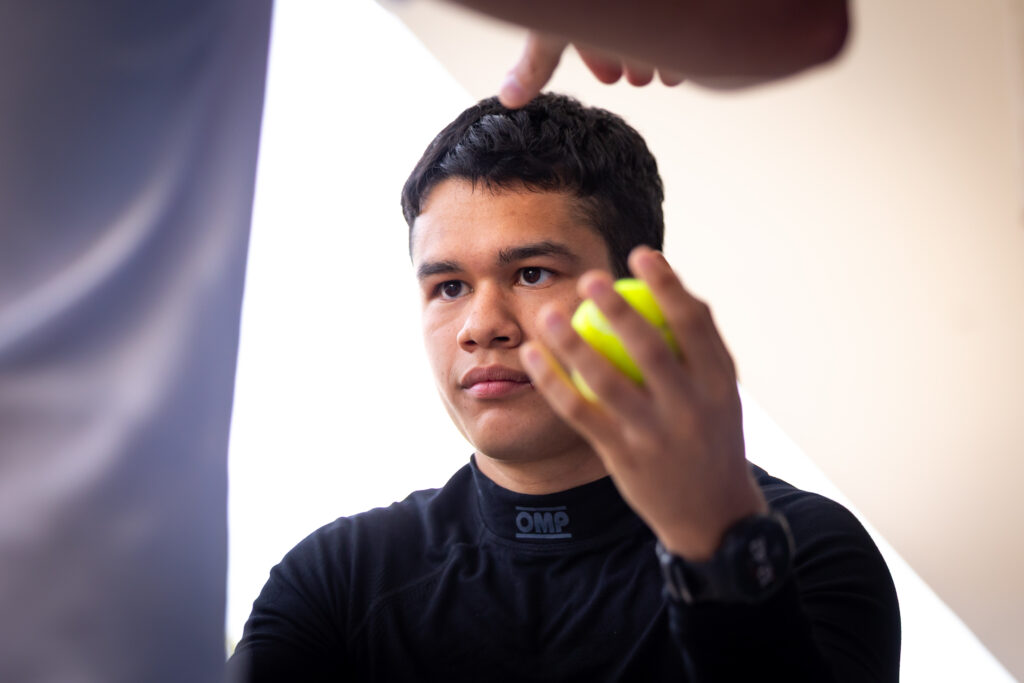
When asked who has shaped his mindset in racing, Vaessen first pointed to Max Verstappen. For him, Verstappen’s appeal lies not only in his speed, but also in the confidence and intensity he brings once he gets on track.
“I’d say Max [Verstappen]. I can’t really think of anyone else. When he’s off the track, he’s a really great person, nice guy. Everyone loves him. But when he’s on the track, he’s crazy. He knows he’s the best.
Family belief: Why Vaessen credits his parents
However, Vaessen’s sources of inspiration also sit much closer to home. His father helped bring him into motorsport, while both of his parents continue to support his career and trust his ability to progress.
“Maybe my dad, for sure. He’s definitely an idol for me. He’s the reason I’m in the sport. I’ve got to thank him for that. Without him, I wouldn’t be racing, for sure. Financially and actually racing itself. Both my parents, even my mom as well. Without them, without their trust… I’m much older, for sure. And they still trust me and believe in me to make a career out of this.
That belief matters to Vaessen, especially because motorsport often places heavy emphasis on age and timing. Rather than allowing that pressure to define his path, his parents have encouraged him to focus on performance.
“Because you would see most drivers, they start later, they will go on to do other things because the age is a factor. My parents always say, it’s not about the age, it’s about how fast you are. In F1, look at Fernando [Alonso]. I don’t know how old he is, but in his 40s, I think. And then you have Kimi Antonelli, who has just turned 19. But they’re both really good at what they do.
Together, those influences shape the way Vaessen approaches his career. Verstappen provides an example of the mindset he admires on track, while his parents provide the support that allows him to keep pursuing the sport.
“Definitely mom, dad and Max. Those are my idols, for sure.
Verstappen’s reset: Seeing the positives after disappointment
Vaessen also sees Verstappen as an example of how to move on from difficult moments. That quality stood out to him while watching the 24 Hours of the Nürburgring.
“Yeah, I watched the whole thing,” he said when asked if he had followed Verstappen’s progress at the 2026 24 Hours of the Nürburgring. “The fact that he can go from 10th to 1st, lead the race by 45 minutes, and have an issue, and tell the media it was fun. That’s impressive. He looks at the positive and gets rid of the negatives. Even though in F1 he likes to swear a lot. He manages to reset, which is good. His mind is very strong.”
For Vaessen, that response says as much as the performance itself. The ability to find the positive, clear away frustration, and move forward reflects the kind of mental strength he wants to develop in his own career.
Pressure in cars: When expectations add weight
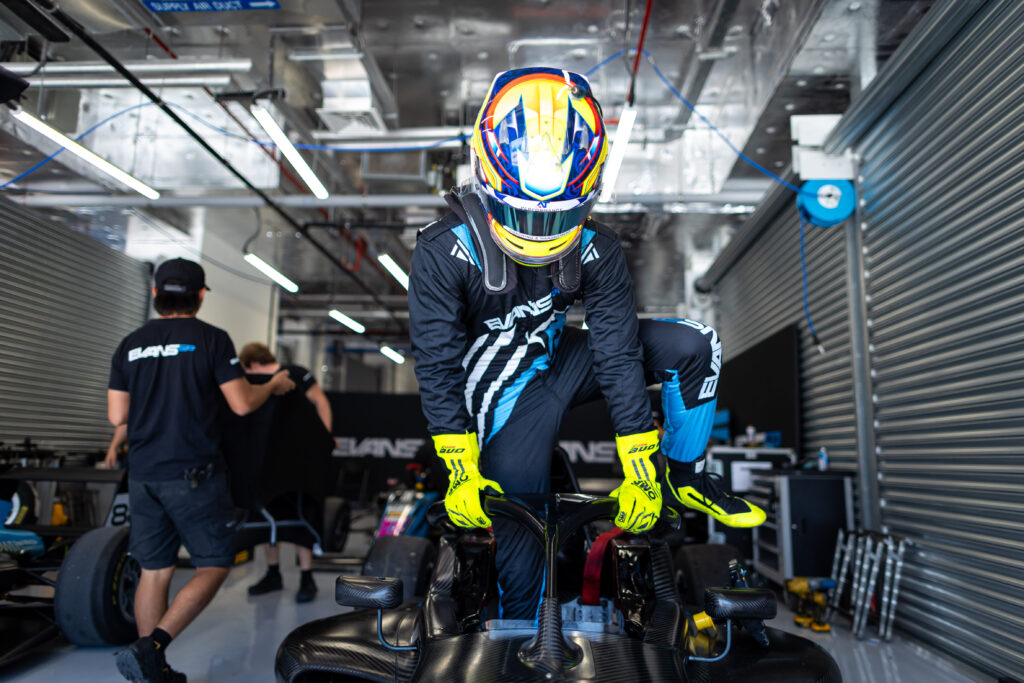
Those lessons around resetting have become even more important as Vaessen has moved into cars. At that level, pressure can build quickly, especially when the circumstances suggest that a strong result should be possible.
He recalled one UAE4 race where he had new tyres while many around him were running older ones. From the outside, that created a clear expectation to move forward. When the race did not unfold that way, the disappointment was felt immediately.
“Yeah, I remember a race last year when I was doing UAE4. I had a bad race. I had new tyres on, while everyone around me had old tyres, and nobody was really happy with me. Even my engineer did not say anything on the in-lap. For me, I just had to be by myself. It was either just me, or me and my dad talking about it.
Finding perspective: Space, reflection, and family support
In those moments, Vaessen does not always need an immediate technical explanation. Sometimes, he needs space to process the result before turning it into something useful. At other times, he relies on his father, who helps him calm down without adding to the pressure.
“My dad is a big factor in helping me relax and calm down after a race because he understands the position I am in. He will never talk me down. I can always speak to him, and he always asks me what went wrong, what I think happened, and so on. So it is either him, or I go by myself into a corner and just think about what I can do in the next race to stop that from happening again, and what I learned from it.
That process gives Vaessen a way to turn frustration into reflection. Rather than allowing a poor result to linger, he looks for what he can take from it before the next opportunity arrives.
Moving on: Why the reset remains central
That same need to reset continues to connect Vaessen’s early karting lessons with the pressure he now faces in cars. Whether the disappointment comes from traffic in Qualifying, contact in a race, or a result that falls short of expectation, the risk remains the same: one bad moment can quickly carry into the next.
For Vaessen, that makes the reset one of the most important parts of a driver’s response. A poor result can happen quickly, but allowing it to affect the next race can create a much bigger problem.
“It is important that, when you have a bad result, you reset. Like I said, in Thailand, it was very easy to spiral. I had that moment, but at Bira, you do not have a big break. I had another race, and I was able to go to bed, sleep on it, and come back the next day. Then I had a good result.
From reflection to recovery: Handling pressure within the team
That ability to step away, process what happened, and return with a clearer mind has become central to how Vaessen handles pressure. It also helps him manage difficult moments within a team environment, where disappointment can extend beyond the driver.
“So, for me, being by myself or talking to my dad are definitely the two things that help me get away from a bad result or from a situation where the team is not happy with me. My engineer at the time was very passionate about racing. He would do anything to try to win. So, obviously, with new tyres against old tyres, I should have been overtaking everyone, but I just could not do it. He got upset with me. So I had to walk away, talk to my dad, discuss what happened, and then move on.”
For Vaessen, resilience is therefore not simply a quality drivers claim to have. It is something tested through difficult weekends, poor results, and moments when pressure builds quickly. As he continues his progression in cars, his ability to reset may prove just as important as the pace he shows on track.