
The CrowdStrike 24H of Spa places every GT3 car on one grid, but FIA driver classifications create several races within the event. Each crew competes in the overall order while also targeting victory in Pro, Gold Cup, Silver Cup, Bronze Cup or Pro-Am.
The cars do not determine these categories. Instead, the FIA rates each driver as Platinum, Gold, Silver or Bronze according to factors such as age, career record, achievements and measured race performance. GT World Challenge Europe then uses those ratings to control how teams build their line-ups.
This structure allows factory professionals, emerging prospects and amateur competitors to share the same track while pursuing meaningful objectives. Pro crews usually fight for the overall win, but Gold and Silver entries can also reach the front, while Bronze Cup and Pro-Am teams contest equally important class battles.
How FIA driver categorisation works
The FIA Driver Categorisation Committee assigns the four ratings and reviews them regularly. It initially considers a driver’s age and career history, then uses race pace, consistency and results to determine whether the category still reflects their performance.
Therefore, a rating does not remain fixed throughout a driver’s career. The FIA can upgrade a competitor who consistently matches drivers in the category above or consider a downgrade when age, performance or other approved circumstances justify a change.
The categories provide a regulatory framework rather than a precise ranking of speed. A leading Silver driver may outperform a Gold competitor, while an experienced Bronze driver can produce highly competitive lap times. The ratings mainly allow organisers to create balanced classes from drivers with different backgrounds.
The four FIA ratings
- Platinum: Elite professional drivers with top-level international achievements, manufacturer roles or performance at the highest level of GT and endurance racing.
- Gold: Established professionals with significant experience and results, but without the full record required for Platinum status.
- Silver: Young prospects, developing professionals and other competitors whose age, career profile or measured performance places them below Gold.
- Bronze: Amateur or gentleman drivers, often those who began racing later in life and may finance part or all of their programmes.
These labels describe career status and performance history, but they do not guarantee a fixed gap between drivers. Spa regularly demonstrates that Silver and Bronze competitors can exceed expectations when they receive the right machinery and support.
Platinum drivers lead the professional ranks
Platinum represents the highest FIA category. It includes elite professionals with major international results, current or former Super Licence holders and drivers whose performances match the established Platinum standard.
Manufacturers often rely on these competitors to lead development work, qualify the car and handle decisive race stints. Their experience becomes especially valuable during darkness, rain or the final hours, when teams must combine speed with precise decision-making.
However, Platinum drivers do not compete exclusively in Pro. Bronze Cup and Pro-Am teams can also use them, although the class regulations restrict the rest of the line-up to maintain competitive balance.
Gold drivers remain established professionals
Gold drivers also earn their living through motorsport and often bring extensive GT, touring-car, prototype or single-seater experience.
Many sit close to Platinum level but lack the career achievements required for the highest rating. Others have built long professional careers while remaining within the Gold criteria.
Their quality makes the Gold Cup particularly strong. A crew containing several experienced Gold drivers and a rapid Silver prospect can challenge Pro cars and target a high overall finish.
Silver provides a platform for rising talent
Silver remains one of the broadest and most misunderstood ratings. The category includes many young drivers who have not yet built the results required for Gold, as well as developing professionals and competitors with limited high-level experience.
That does not make Silver drivers slow. Recent single-seater graduates and manufacturer prospects often enter the category with exceptional raw pace. The Silver Cup has helped develop several drivers who later secured factory roles and major GT several drivers who later secured factory roles and major GT victories.
At Spa, these competitors must also prove their maturity. They need to manage traffic, tyre wear, weather and fatigue without relying on a Platinum professional to rescue the result during the closing stages.
Bronze remains central to customer racing
Bronze represents the amateur side of the system, although many Bronze drivers possess years of endurance-racing experience.
The FIA commonly places drivers who began competing after the age of 30 in this category, but it also considers pace, career history and individual circumstances. As a result, the fastest Bronze competitors can perform close to Silver level.
These drivers remain fundamental to customer GT racing. They support teams and manufacturers while competing for meaningful victories of their own. At Spa, the Bronze Cup and Pro-Am regulations place their performances at the centre of the result.
A leading professional can gain time, but they cannot compensate for repeated mistakes or inconsistent Bronze stints. Successful teams therefore focus on balance across the complete crew.
How the ratings create the Spa classes
The 2026 CrowdStrike 24H of Spa uses five categories:
- Pro: A maximum of three drivers with no restriction on categorisation.
- Gold Cup: A maximum combination of Gold / Gold / Gold / Silver.
- Silver Cup: A maximum combination of Silver / Silver / Silver / Silver.
- Bronze Cup: Three or four drivers, with a maximum combination of Bronze / Silver / Silver / Platinum.
- Pro-Am: A maximum combination of Platinum / Platinum / Bronze / Bronze.
These formulas describe the highest-rated line-up that each category permits. Teams can sometimes use fewer drivers or select lower-rated competitors, provided that the final combination follows the sporting regulations.
Pro targets the overall victory
Pro gives teams complete freedom to select up to three drivers. Manufacturers, therefore, assemble crews from their leading Platinum and Gold professionals.
These entries normally set the benchmark for outright pace and carry the strongest expectations of overall victory. However, Pro is not a fifth FIA rating. It is an SRO class created from unrestricted driver combinations.
Every car still competes in the same overall race. If a Gold or Silver entry finishes ahead of the Pro field, it wins the event outright as well as its category.
Gold Cup combines experience with development
The Gold Cup allows three Gold drivers and one Silver in its maximum four-driver line-up. Some teams choose three drivers instead, accepting a heavier workload in exchange for greater continuity.
The category contains considerable professional quality. Its strongest crews can fight for a place in the overall top 10 and potentially move higher if the race produces significant attrition.
Gold Cup also gives established professionals a dedicated target without forcing them to compete directly against unrestricted factory combinations.
Silver Cup tests the next generation
The Silver Cup restricts every position in the maximum line-up to Silver-rated drivers. It therefore creates a direct contest between emerging competitors.
The category rewards speed, but it also demands judgment. Four young drivers must share the car, manage changing conditions and avoid the risks that can end a 24-hour race within seconds.
The class provides an important development pathway because it exposes prospects to the same strategic and physical challenges faced by the leading professionals.
Bronze Cup follows the classic GT formula
The Bronze Cup places an amateur driver alongside Silver-rated talent and one Platinum professional. Teams may use three or four drivers.
This structure allows the professional to develop the car and deliver fast stints, while the Silver competitors support the line-up across the middle stages. Nevertheless, the Bronze driver remains central to the result.
Teams must complete the required driving time, choose suitable conditions for each competitor and maintain a consistent pace across the entire crew. The best line-ups minimise the performance difference between their drivers rather than relying on one star.
Pro-Am pairs elite professionals with amateurs
Pro-Am allows two Platinum and two Bronze drivers. This creates a clearer split between elite professional pace and amateur participation.
Strategy plays a major role because teams must decide when to use their Bronze drivers and when to deploy the professionals. Darkness, rain and safety-car restarts can make those decisions particularly important.
Unlike the other classes, Pro-Am only appears at Spa within the 2026 GT World Challenge Europe structure. As a result, its one-off crews arrive without a full-season class form guide.
Why classifications influence strategy
Driver ratings affect much more than the class name. They shape stint allocation, qualifying plans, driving-time calculations and the timing of pit stops.
Bronze Cup and Pro-Am teams often try to place their amateurs in stable daylight conditions, but safety cars and changing weather can disrupt that plan. Silver Cup crews face a different challenge because they cannot call on a Platinum driver for a decisive final stint.
Pro teams enjoy greater flexibility, although they must still balance setup preferences and workloads across three drivers.
The rating structure, therefore, influences the entire race. Teams do not simply ask who can drive fastest; they must decide when each driver can contribute most effectively.
One grid creates five connected battles
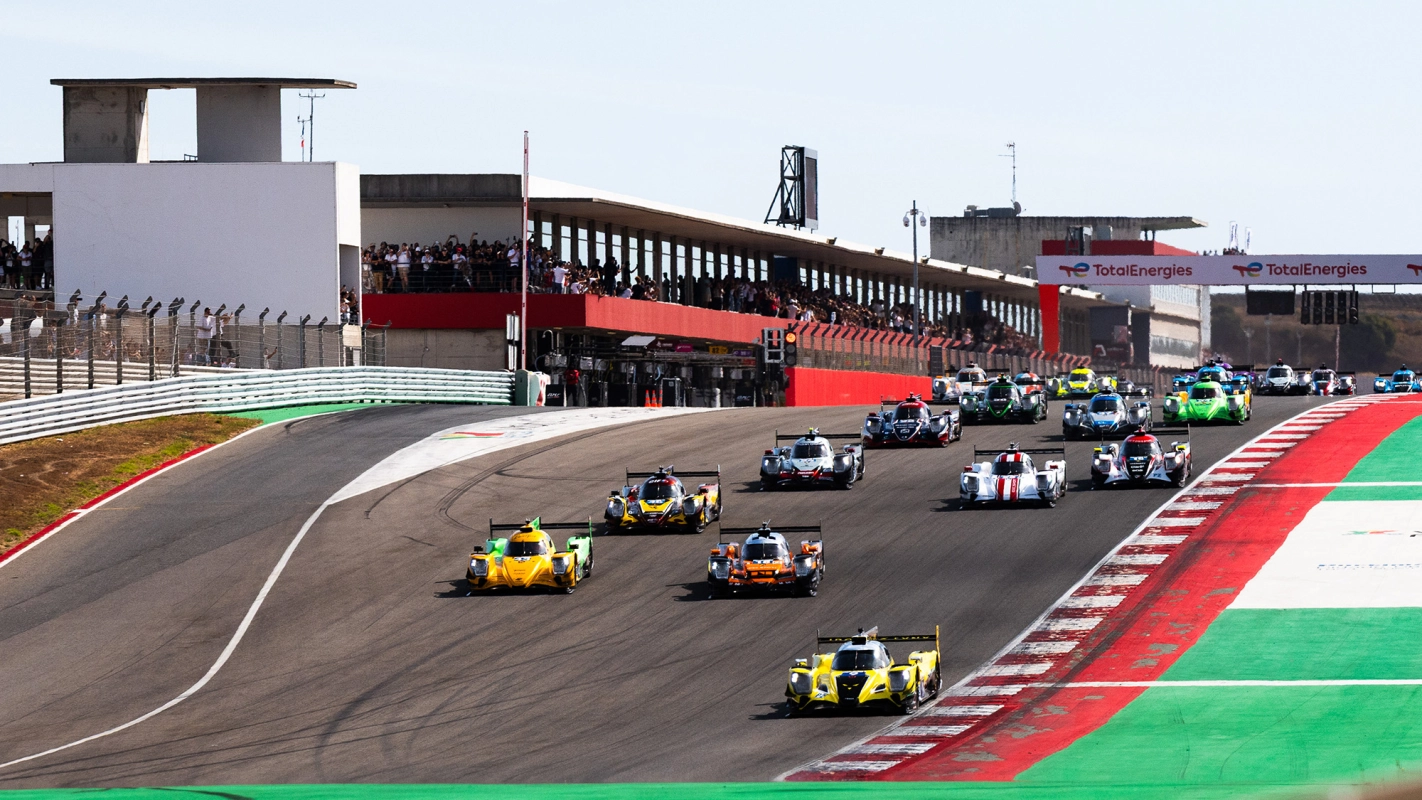
Driver categorisation gives the 24H of Spa several simultaneous contests. A Pro crew may fight for the overall lead while passing a Gold entry chasing a top-10 finish and a Bronze car battling for its own class victory.
Because every entry uses GT3 machinery, the speed differences remain relatively small. A Platinum driver in a Bronze Cup car may run at the same pace as the overall leaders, while a Bronze driver may follow a more cautious rhythm and a different strategy.
Those interactions make Spa especially demanding. Every driver must understand that the cars around them may be fighting separate but equally important battles.
More than four colours beside a name
Platinum, Gold, Silver and Bronze cannot describe every quality that a competitor brings. A Platinum driver may provide speed and technical leadership, while a Gold professional offers consistency and experience. A Silver prospect may become the next factory star, and a Bronze driver may contribute discipline, endurance knowledge and essential programme support.
Together, the categories make the CrowdStrike 24H of Spa accessible without reducing its competitive standard. They give professionals an overall prize, create development opportunities for young drivers and allow amateurs to compete for significant honours.
The result is not one race with several secondary classifications. It is five connected contests unfolding on the same circuit, each shaped by the strengths and limitations of its driver line-ups.
Full entry list
Weekend schedule
Watch the race live here and follow along with Pit Debrief‘s live blog.