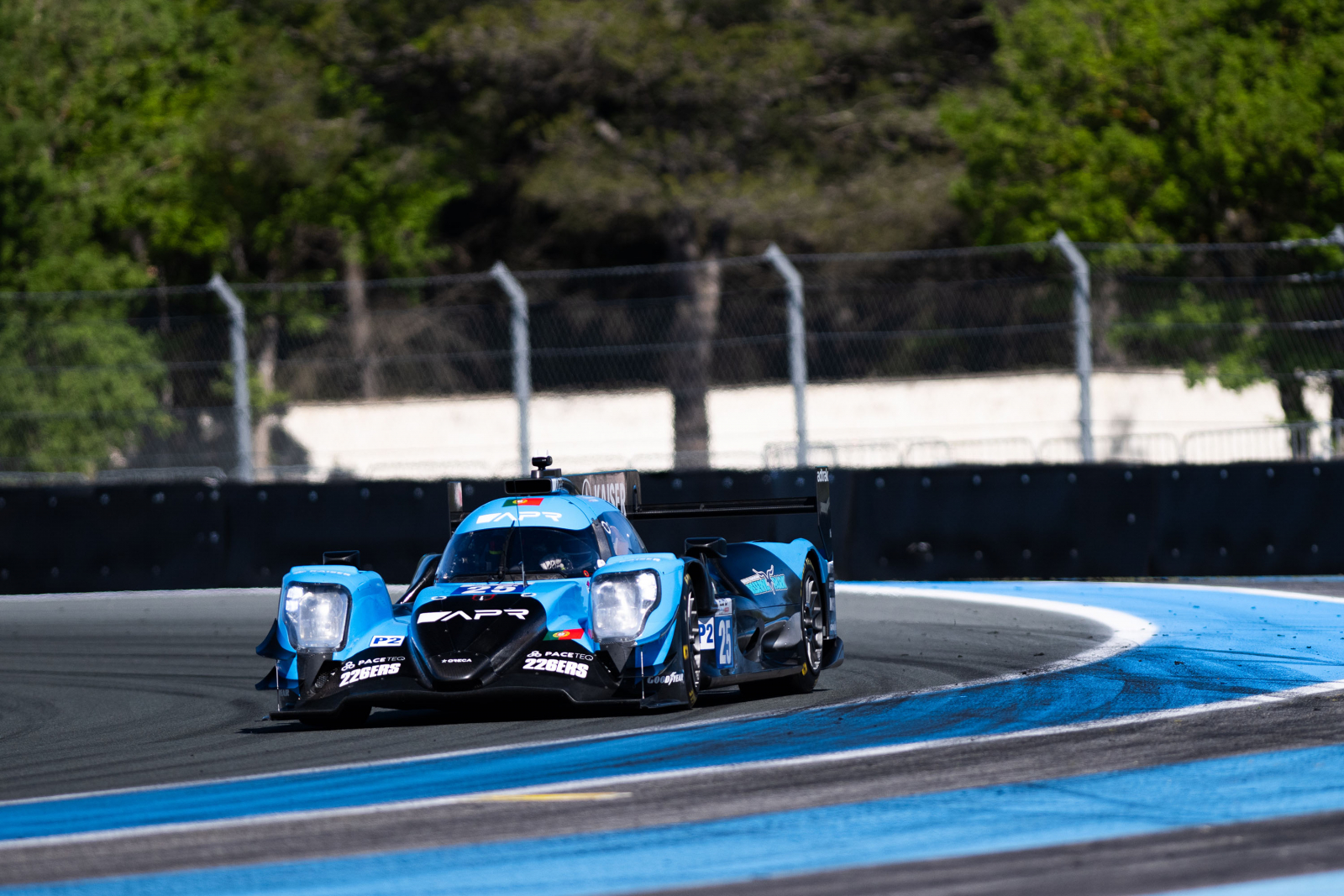
According to Sportscar365, the Automobile Club de l’Ouest (ACO) has officially reaffirmed the introduction of a new generation of LMP2 machinery, set to debut in 2028 across its championships, including the iconic 24 Hours of Le Mans.
This announcement provides long-awaited clarity on the future of one of endurance racing’s most important categories. At the same time, it reinforces the ACO’s commitment to maintaining LMP2 as a core pillar within the global endurance racing structure.
Technical regulations balance performance and cost
The upcoming LMP2 cars will feature a minimum weight of 950 kg and deliver 420 kW (563 hp), ensuring strong on-track performance while maintaining accessibility for teams.
Power will once again come from a spec engine supplied by Gibson Technology, with a 3.4-litre twin-turbo V6 unit continuing the manufacturer’s central role in the category.
Meanwhile, chassis supply will remain tightly controlled. ORECA and Ligier Automotive have been confirmed as the two licensed constructors, ensuring continuity and competitive balance. In addition, Goodyear will continue as the exclusive tyre supplier.
Evolution rather than revolution in design with long-term stability at the core
Although the new regulations introduce updated performance targets, the ACO has opted for continuity in aerodynamic philosophy. The cars will retain similar aerodynamic characteristics to the current generation, with only minor refinements to meet the unique demands of Le Mans.
This approach reflects a deliberate strategy. By avoiding radical changes, the ACO aims to limit development costs while preserving the driving characteristics that have made LMP2 both competitive and popular.
In a statement, the ACO emphasised this direction: “This new generation reflects a strong commitment to cost control, with limited and carefully managed increases.
“LMP2 will also retain a central role, with guaranteed grid slots at the 24 Hours of Le Mans, in ELMS and in ALMS, confirming its essential position within the endurance racing ecosystem for a long period ahead.”
Crucially, the ACO has underlined LMP2’s long-term importance. The category will continue to feature prominently in key championships such as the European Le Mans Series and Asian Le Mans Series, alongside its guaranteed presence at Le Mans.
ACO President Pierre Fillon highlighted the broader vision behind the new regulations:
“Today, we are proud to confirm the next chapter of LMP2. “With this 2028 generation, we are building on a proven success while preparing for the future—enhancing safety, preserving performance and driving pleasure, and ensuring cost control for our competitors. “LMP2 will remain at the very heart of endurance racing for many years to come.”
IMSA alignment still under discussion
While the ACO confirmed the global rollout of the new regulations, it did not address the category’s future within the IMSA WeatherTech SportsCar Championship.
However, previous comments from IMSA President John Doonan suggest that adoption of the new-generation LMP2 cars remains a strong possibility. This potential alignment would further strengthen the global relevance of the category.
Importantly, IMSA and the ACO extended their strategic partnership through 2032 last year, signalling continued cooperation and the likelihood of shared technical direction.
ACO reveals a clear direction for the future of LMP2 with new 2028 regulations
Ultimately, the confirmation of the 2028 LMP2 regulations provides both stability and clarity for teams, manufacturers, and stakeholders. By prioritising cost control, technical continuity, and competitive balance, the ACO has laid out a sustainable roadmap for the category.
As endurance racing continues to evolve, LMP2 remains a vital stepping stone for drivers and teams alike. With these new regulations, the category appears well-positioned to maintain its relevance and competitiveness well into the next decade.