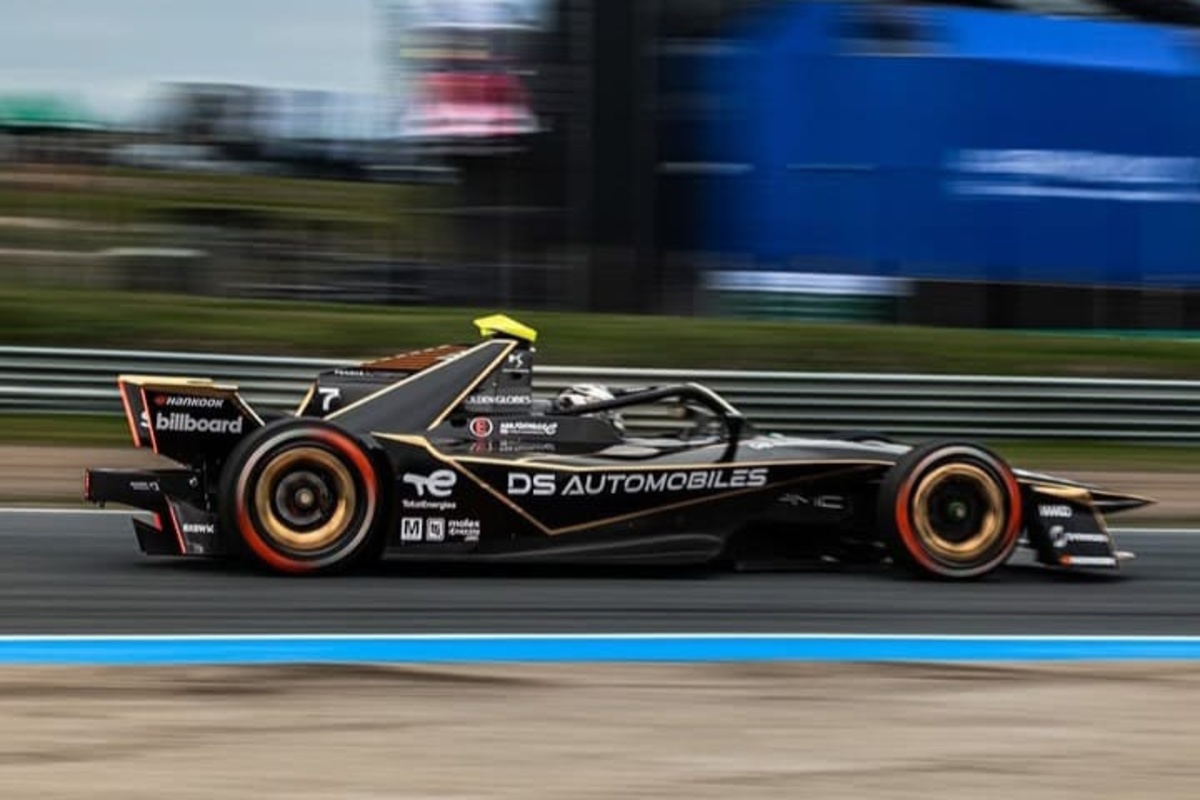
DS Automobiles reflect on a strategic gamble that failed to deliver the desired result at the Formula E Madrid E-Prix.
The DS Penske outfit endured a frustrating outing at the Madrid E-Prix, as a bold race strategy ultimately went unrewarded despite promising moments across the weekend, as detailed in the team’s official race report.
After showing a competitive pace in key phases, DS Performance and its partner Penske Autosport opted for an aggressive strategic approach. While the decision briefly placed Maximilian Günther at the front of the field, the lack of race interruptions meant the strategy did not yield the intended result.
DS Automobiles drivers reflect on strategy outcome in Formula E Madrid E-Prix
Following the race, both drivers reflected on a weekend that showed potential but ultimately fell short of expectations.
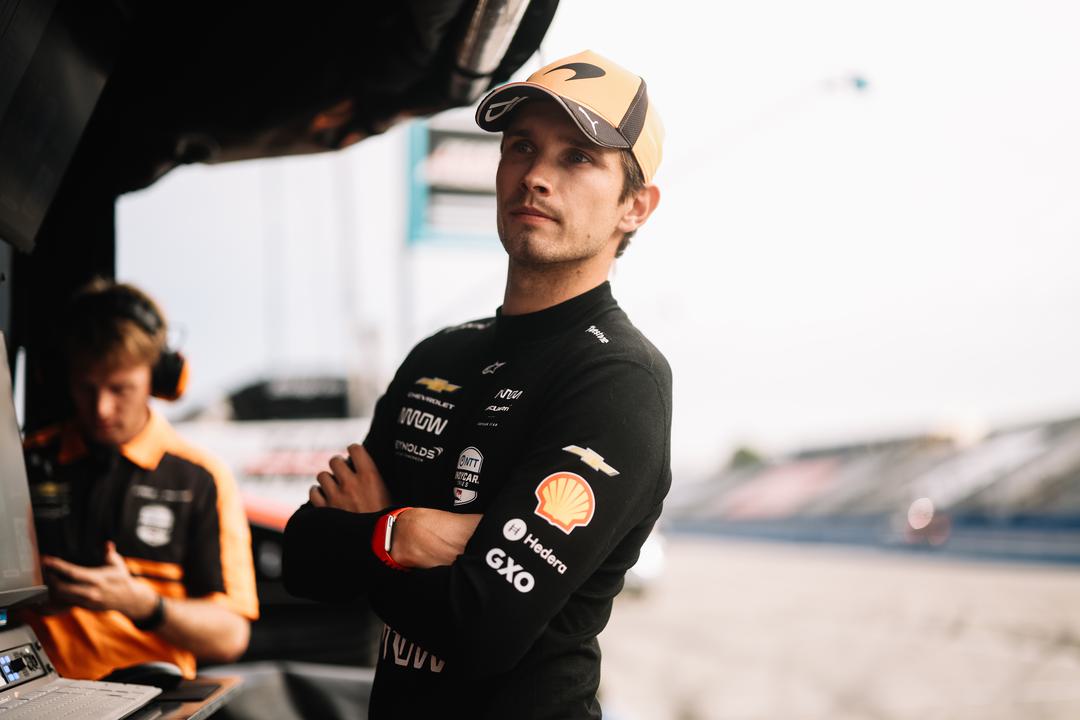
Maximilian Günther pointed to both positives and limitations in performance, explaining how the race unfolded from his perspective. He said, “I feel like we delivered a good race, but we were lacking in performance and efficiency. I led the race for a bit after my pit stop, but I wasn’t able to hold onto it. We tried everything, but in the end it wasn’t enough to achieve the result we were hoping for. Over the weekend as a whole we had a good qualifying session and then drove a good race, but it just didn’t work out.”
Meanwhile, Taylor Barnard highlighted the impact of race incidents on his result, while acknowledging the team’s underlying pace. He added, “Madrid obviously didn’t bring the results the team and I were expecting, as we didn’t score any points. I think we had decent pace at the start of the weekend on a wet track. In the actual race, Max struggled to keep up with the pace of our rivals. From my side things were going quite well, then there was that incident. The penalty that followed ruined our race. It’s obviously disappointing, but we’re going to work hard to come back even stronger in Berlin.”
Strategic gamble defines DS Performance’s Madrid E-Prix
The Madrid E-Prix proved to be heavily influenced by strategy, particularly on a permanent circuit like Jarama, where overtaking opportunities are more frequent.
In the context of DS Penske’s Formula E outing in Madrid, the team’s aggressive approach centered around early energy deployment and Attack Mode usage. Günther’s strategy briefly paid off, allowing him to lead the race after his pit stop phase.
However, the lack of safety cars or race neutralisations ultimately worked against the team. Rivals who conserved their energy and deployed Attack Mode later in the race were able to regain track position, pushing DS Automobiles out of contention for points.
Penalties and race incidents limit the final result
While strategic limitations defined Günther’s race, Barnard’s race was impacted by a penalty following an on-track incident.
After making early progress into the top 10, the Brit’s race unravelled following the penalty, dropping him down the order and preventing any chance of a recovery into the points.
Together, these factors underlined how both execution and circumstance shaped the team’s final result in Madrid.
Lessons to carry forward for DS Automobiles
Despite the disappointing outcome, the weekend offered valuable insights for DS Automobiles moving forward.
The result ultimately highlighted both the team’s willingness to take strategic risks and the fine margins that define outcomes in Formula E. With the championship now heading to Berlin, the team will look to refine its approach and convert performance into results more effectively.