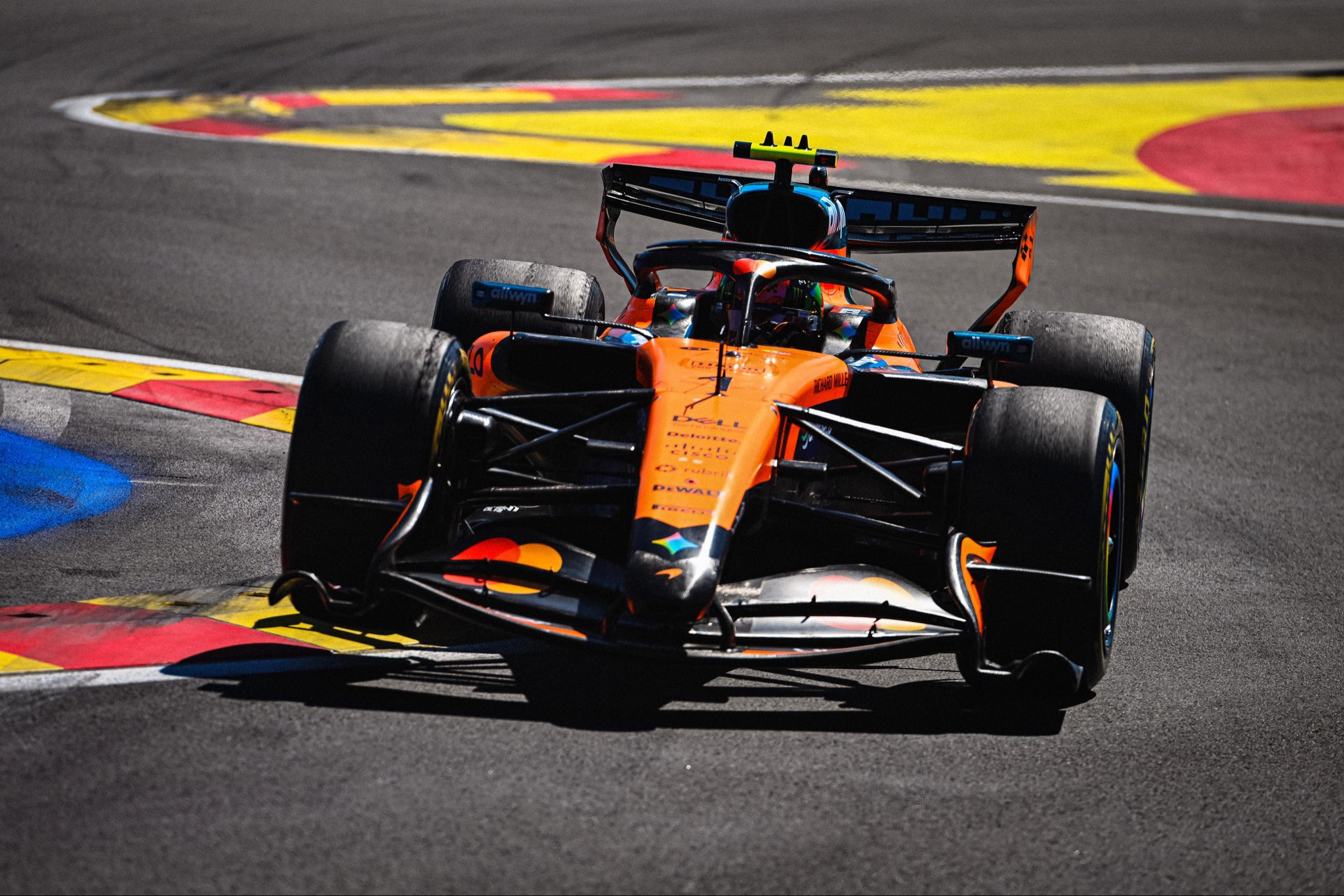
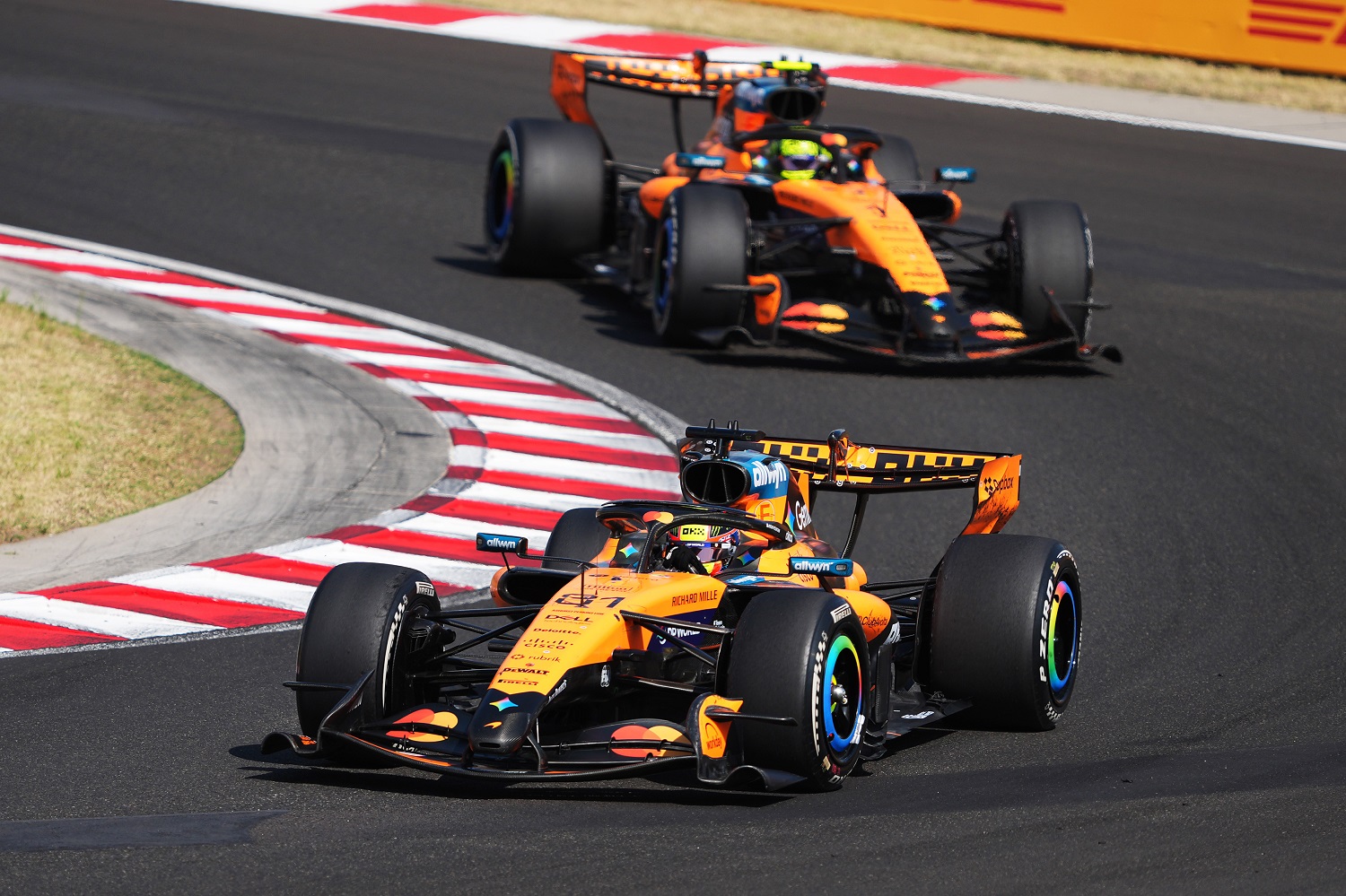
Mark Temple explains F1 2026 regulations using food examples, as he goes through the challenges McLaren faced in the build-up.
There have been a lot of technical explanations from F1 teams or pundits to describe the 2026 regulations, but McLaren technical director of performance Temple has brought forward his ‘A’ game to equate the developments with food items, in mid-season review.
Crisps and chips could be the new direction that F1 or FIA must take to describe the complex regulations to not just the young generation but the lifelong fans as well – both of them have had hard time in grasping the complexities, which even the teams and drivers sometimes admit to.
Crisps & chips and F1 2026 regulations
“Broadly speaking, from the chassis side, we’ve still got four black, round tyres,” started Temple, when asked about the differences from F1 2025 to 2026. “They behave differently, so you have to learn how they are different, but it’s a case of being a different flavour of the same thing.
“And that’s true across most of the car. It’s like you’re used to eating ready salted crisps, and someone hands you something new like paprika, or smoky bacon. The power unit, though, that’s the really big change. That’s more like someone asks you to try corn tortilla chips.”
Pre-season expectations of challenge proven in first half of F1 2026
Temple knew that things will not be straight forward in F1 2026, which has proven to be the case. But the extent of the challenge was unknown, especially when a team is not getting the desired results, whether it is due to reliability and or general lack of performance – case and point that the reigning champions are third in the constructors’ standings.
There’s still a lot to learn and do. “Coming into the season, we knew it was going to be a lot more complex because there were so many things that had changed,” continued Temple. “The power unit, obviously, made the biggest headlines.
“We knew that was going to be difficult to manage but also that there would be a lot of performance opportunity from it, and that it would have quite a big impact on the way we go racing. At the same time, there are some things that have proved to be more challenging than we expected.
“And it’s taken us longer to get our processes – the way we prepare for each event – into the state we would wish them to be. In truth, there’s still a lot more work to do in this space,” summed up Temple, who expanded on the biggest challenge on adapting to the new power unit.
Temple highlights sim and real track differences
The difference when running the programme in simulator versus running it on track while fighting the rivals, has been one hell of an experience, not just for the F1 drivers, but also the team. The reality really hit them on track once they got going into the race mode after testing.
“It’s one thing being sat in the simulator, and being told the way you’re driving isn’t right, quite another to be on a racetrack, racing other cars and feeling that loss of boost and reduced power, or finding that you’ve used too much energy and suddenly one of your rivals overtakes,” Temple noted.
“This, obviously, is a more visceral experience for the drivers. And again, they knew the power unit would be a big part of what they do this year – but the reality always feels different.”
The F1 2026 regulations has had an effect on the racing as well, with the Straight Mode making a big difference.
Straight Mode has created big impact as per Temple
In the previous format, the Drag Reduction System (DRS) was largely a simple fit. It was also easy to use activating the rear wing, but the Straight Mode has both the rear and front wings in activation. While the usage part is still the same, but due to the power difference, it has created confusion in everyone’s minds.
“Straight Mode is very different and has a big impact on how we go racing,” said Temple. “The fact that it’s front and rear wings moving has a big impact, the fact that it’s there for every lap of the race has a big impact, and the fact that you won’t have it in the same way in the wet has a big impact.
“It’s creating challenges for the handling of the car, whether that’s tuning out understeer for a heavy car on old tyres or racing somewhere like Miami with downforce taken off. There’s definitely learning around this – but the power unit really is the big one.”