FIA Formula 3 has finalised the Qualifying groups for Round 2 in Monte Carlo, Monaco, setting up one of the most important sessions of the 2026 F3 weekend.
Monaco always places huge emphasis on Qualifying, but F3’s split-session format adds another layer of pressure. During Wednesday’s Drivers’ Briefing, a ballot decided the running order for the two groups. Group A contains the even-numbered cars and heads out first, while Group B contains the odd-numbered cars and follows later on Friday morning.
How Monaco Qualifying works
Group A will start Qualifying at 11:05 local time on Friday, before Group B takes to the track at 11:29 local time. Each segment lasts 16 minutes, which gives drivers little room to build up slowly or recover from mistakes.
After both groups complete their sessions, the championship will aggregate the results. The fastest driver overall will start Sunday’s Feature Race from pole position. However, the fastest driver from the opposite group will start alongside them on the front row. The rest of the grid will then alternate between the two groups.
That format means the quickest driver in one group may not start directly ahead of the second-quickest driver overall. Instead, Monaco’s system tries to balance the groups and reduce the traffic issues that can dominate Qualifying on the narrow street circuit.
Sprint Race grid adds another twist
The Qualifying format also shapes Saturday’s Sprint Race. The sixth-fastest car from the second group will start the Sprint Race from reverse-grid pole position, while the sixth-quickest driver from the group containing the fastest overall qualifier will start from P2.
As a result, drivers must balance the need for a strong Feature Race grid slot with the possibility of landing a favourable Sprint Race starting position. However, with overtaking so difficult around Monaco, most drivers will still prioritise outright Qualifying performance.
Group A: even-numbered cars
- #2 Ugo Ugochukwu – Campos Racing
- #4 Noah Strømsted – TRIDENT
- #6 Matteo De Palo – TRIDENT
- #8 Tuukka Taponen – MP Motorsport
- #10 Taito Kato – ART Grand Prix
- #12 Kanato Le – ART Grand Prix
- #14 Hiyu Yamakoshi – Van Amersfoort Racing
- #16 Bruno Del Pino – Van Amersfoort Racing
- #18 Brando Badoer – Rodin Motorsport
- #20 Louis Sharp – PREMA Racing
- #22 José Garfias – PREMA Racing
- #24 Fionn McLaughlin – Hitech
- #26 Brad Benavides – AIX Racing
- #28 Fernando Barrichello – AIX Racing
- #30 Nandhavud Bhirombhakdi – DAMS Lucas Oil
Group B: odd-numbered cars
- #1 Théophile Naël – Campos Racing
- #3 Ernesto Rivera – Campos Racing
- #5 Freddie Slater – TRIDENT
- #7 Mattia Colnaghi – MP Motorsport
- #9 Alessandro Giusti – MP Motorsport
- #11 Maciej Gładysz – ART Grand Prix
- #15 Enzo Deligny – Van Amersfoort Racing
- #17 Pedro Clerot – Rodin Motorsport
- #19 Christian Ho – Rodin Motorsport
- #21 James Wharton – PREMA Racing
- #23 Woohyun Shin – Hitech
- #25 Jin Nakamura – Hitech
- #27 Yevan David – AIX Racing
- #29 Nicola Lacorte – DAMS Lucas Oil
- #31 Gerrard Xie – DAMS Lucas Oil
Why Group A faces immediate pressure
Group A will open the session, which means the even-numbered drivers will set the first benchmarks. That group includes several key names from the early championship picture, including Melbourne Feature Race winner Ugo Ugochukwu, Taito Kato, Bruno Del Pino, Brando Badoer and Noah Strømsted.
The first group often faces a slightly greener track, but drivers cannot afford to treat that as an excuse. Last year, Nikola Tsolov claimed Monaco pole from Group A, proving that the opening segment can still produce the fastest overall lap. Therefore, Group A drivers must attack immediately and force Group B to chase.
Group B could benefit from track evolution
Group B will follow at 11:29, and those drivers may benefit from extra rubber and a faster surface. However, they will also know the target time from Group A, which can increase the pressure.
The odd-numbered group includes Freddie Slater, Enzo Deligny, Maciej Gładysz, Mattia Colnaghi and Théophile Naël, all of whom could play a major role in the battle for the front rows.
At Monaco, that information can help and hurt. A driver who knows the benchmark can judge the required risk, but pushing beyond the limit can quickly end with a brush against the wall or a session-ending mistake.
Qualifying could decide the 2026 F3 weekend in Monaco
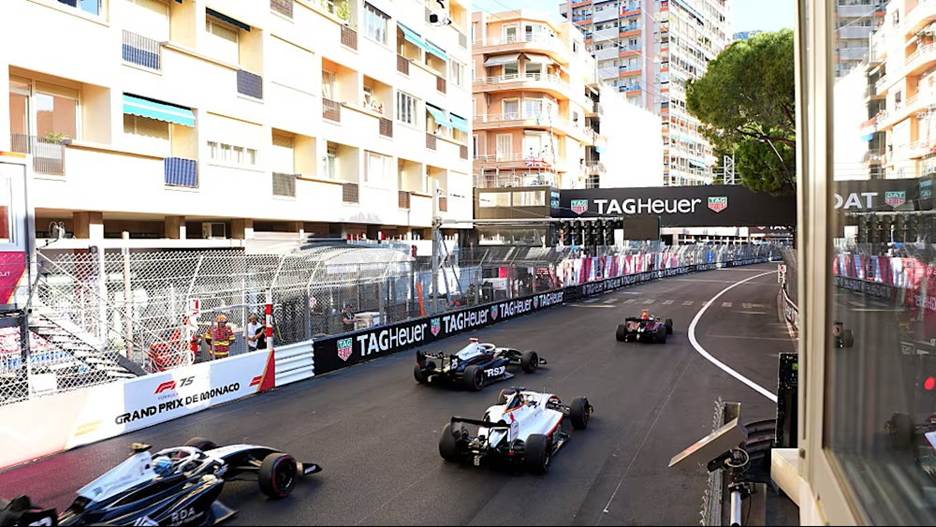
Monaco’s layout gives drivers very few overtaking opportunities, so Qualifying carries more importance here than almost anywhere else on the calendar. Turn 1, the Nouvelle Chicane and La Rascasse can produce moves, but drivers usually need a major pace advantage or a mistake from the car ahead.
That makes Friday’s two Qualifying groups crucial. The driver who secures pole will control the strongest chance of victory in Sunday’s Feature Race, while those who qualify poorly may spend the weekend stuck in traffic.
With 16 minutes per group, changing track conditions and almost no margin for error, FIA F3’s Monaco Qualifying session should once again deliver one of the defining moments of the round.