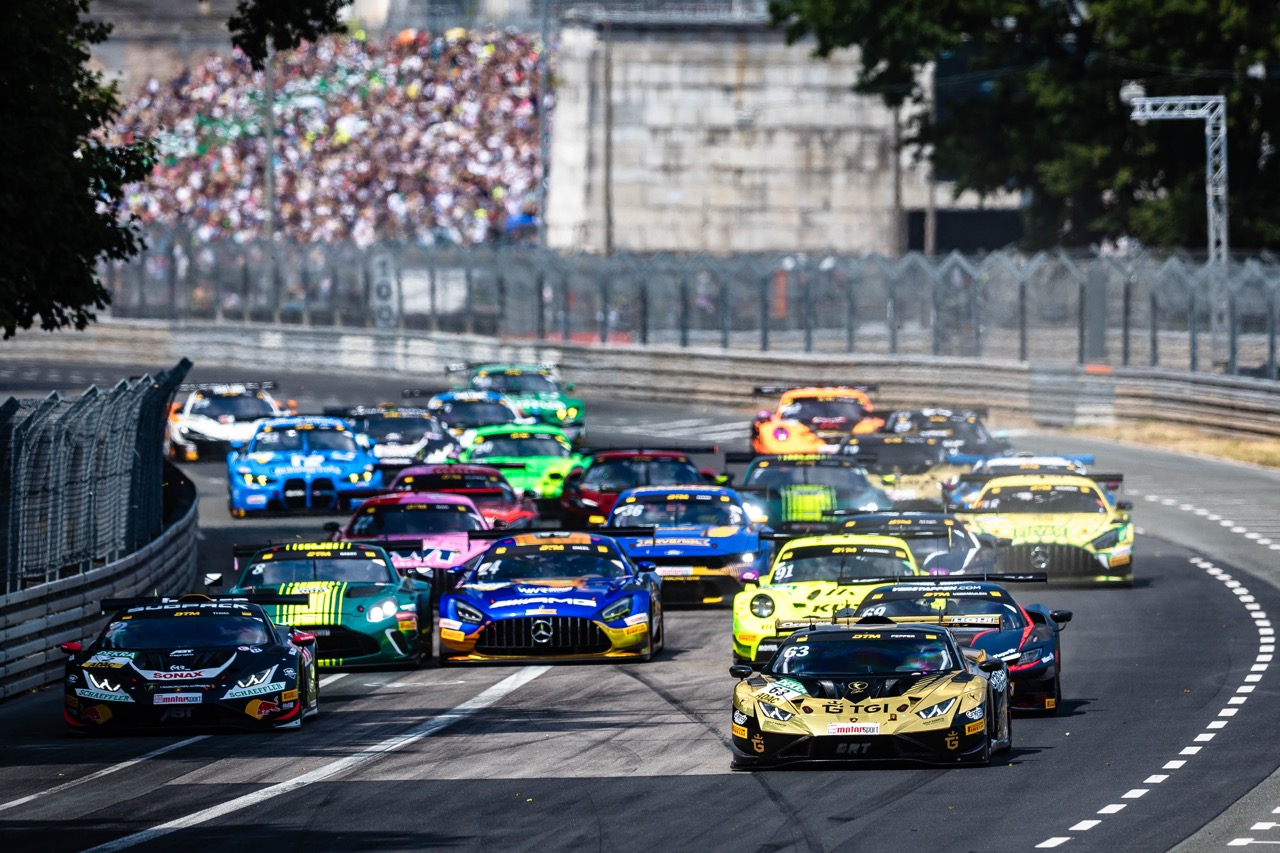
The Deutsche Tourenwagen Masters, more commonly known as DTM, is one of Europe’s most prestigious circuit racing championships and represents the highest level of professional sprint racing. The series has built its reputation on close competition, technical excellence, and elite drivers, and it has remained a reference point within international touring car and GT racing for decades.
Over the years, DTM has evolved through multiple technical eras while retaining its core identity. The championship entered its current phase in 2021 with the adoption of FIA GT3 regulations, a move that aligned it with global GT racing while preserving its focus on short, intense races and pure driver performance.
Cars and technical regulations
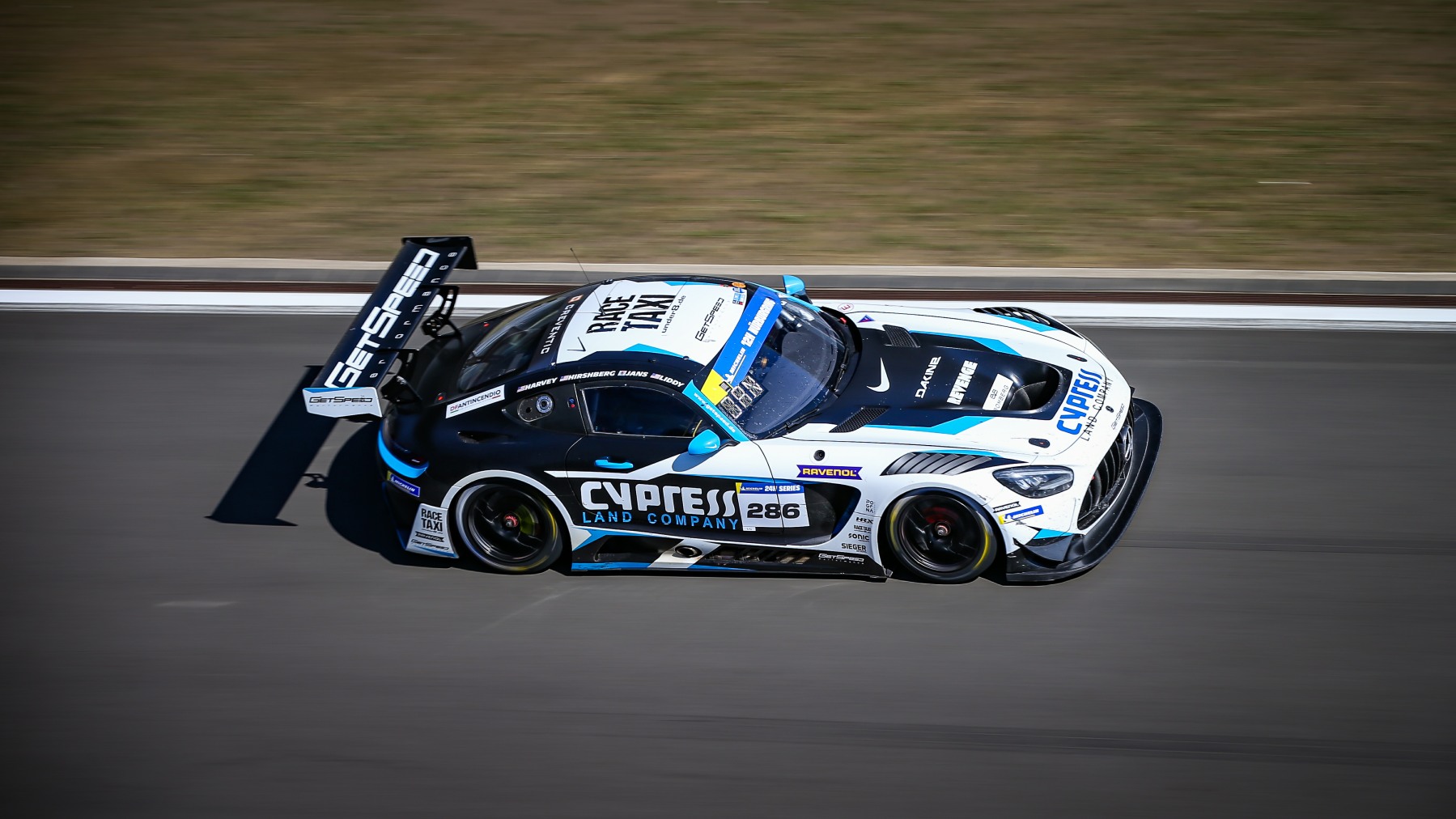
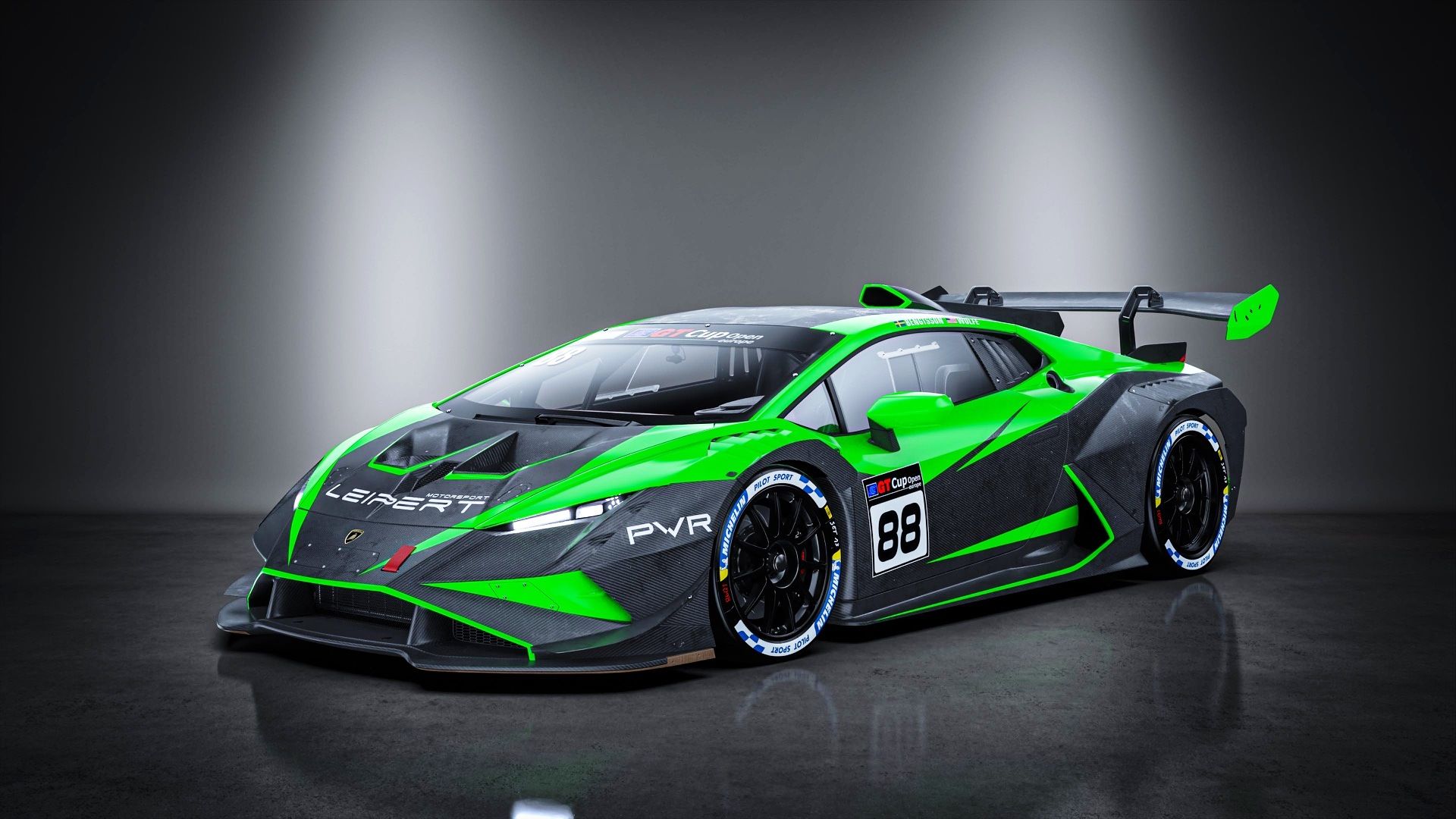
DTM uses FIA-homologated GT3 cars, which allows a wide range of manufacturers to compete on a shared technical platform. These cars are based on production road models but feature extensive racing modifications, including advanced aerodynamics, high-performance engines, and sophisticated electronics. Although GT3 regulations apply across many international championships, DTM operates within a sprint-focused framework that places greater emphasis on outright pace and execution.
ADAC applies Balance of Performance adjustments throughout the season using performance data to prevent teams from gaining sustained technical advantages. As a result, success in DTM depends primarily on driver ability, team operation, and strategic decisions rather than car performance alone.
Drivers and competition
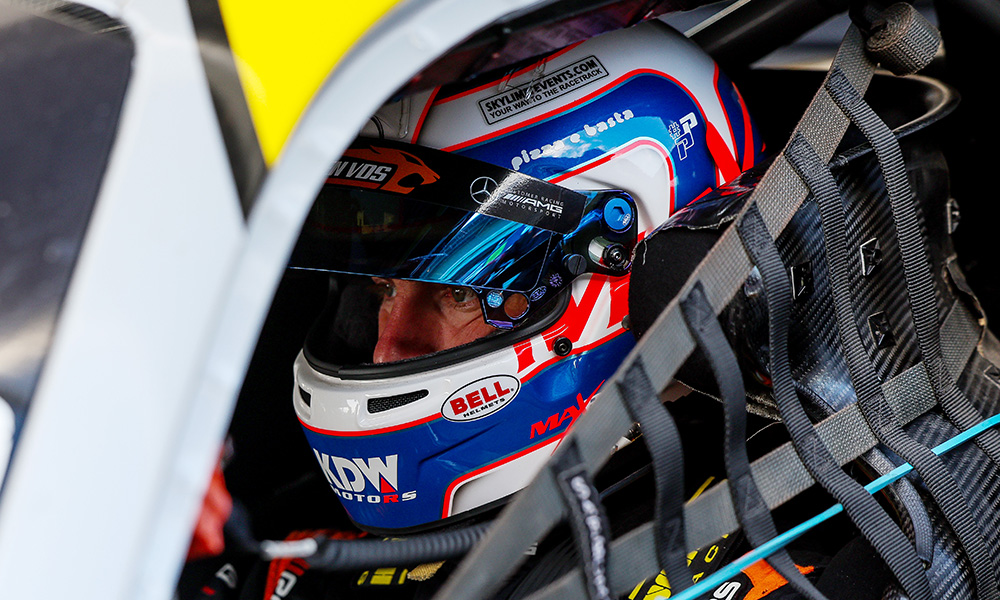
DTM is a fully professional championship and does not include amateur drivers or mixed driver categories. Each car is driven by a single driver throughout the entire race weekend, with no driver changes permitted. This structure removes endurance-style elements from the competition and places full responsibility on the individual behind the wheel.
The absence of driver grading restrictions attracts highly experienced GT drivers from across the world. This approach creates a densely competitive grid, keeps performance gaps minimal, and often sees outcomes decided by fine margins rather than outright speed.
Race weekend format
A typical DTM event takes place over three days and features two races, one on Saturday and one on Sunday. Each race runs for approximately fifty-five minutes plus one lap, creating a sprint format that encourages aggressive racing while leaving little time to recover from mistakes. Refuelling does not take place during races, which increases the importance of tyre preparation and car balance. Teams must optimise their setup from the outset, while drivers need to manage tyres carefully without sacrificing pace.
Each race has its own qualifying session, and the results directly determine the starting grid. With no reverse-grid elements, track position becomes especially important, particularly at circuits where overtaking opportunities are limited. Drivers must deliver maximum performance over a single lap while managing tyre preparation, traffic, and evolving track conditions. A strong qualifying performance often shapes the entire race weekend, while a compromised session can leave little opportunity for recovery.
Pit stops and strategy
Despite the relatively short race distances, pit strategy plays a key role in DTM. Saturday races feature one mandatory pit stop with a tyre change, while Sunday races require two mandatory pit stops, adding an extra strategic layer to the weekend. Teams must carefully manage pit windows and track position, as small timing differences can have a significant impact on the final result.
Minimum pit stop times are enforced to ensure safety and fairness. This places emphasis on clean execution rather than outright pit lane speed, and often rewards teams that operate with consistency under pressure.
Points and Deutsche Tourenwagen Masters championships
DTM uses a points system similar to Formula 1, rewarding the top ten finishers in each race. The series awards additional points for qualifying performance and fastest laps under specific conditions, and these bonuses often prove decisive in closely contested championship battles.
Points count towards the Drivers’, Teams’, and Manufacturers’ Championships, which ensures that both individual performance and collective success receive recognition. Consistency across the season is therefore just as important as outright race wins.
Tyres, fuel and sustainability
The championship operates with a single tyre supplier, which ensures technical consistency and equal conditions across the grid. Tyre allocations are limited over the course of a race weekend, increasing the importance of managing degradation and maintaining performance across multiple sessions.
DTM also uses sustainable synthetic fuel, reflecting the wider direction of modern motorsport. This allows the series to maintain high-performance racing while supporting broader sustainability goals.
DTM in 2026 and the 40th Anniversary
The 2026 season marks the 40th anniversary of the Deutsche Tourenwagen Masters, highlighting the championship’s longevity and its ability to adapt to changing technical and sporting landscapes. From its origins in the 1980s to its current GT3-based format, DTM has continuously evolved while maintaining its core principles of close competition and professional racing.
The anniversary season continues the established GT3 era with stable regulations and a familiar sprint-race format. The calendar features eight race weekends and sixteen races, with performance gains expected to come from driver development, operational efficiency, and strategic precision rather than major technical changes. The 2026 campaign therefore serves both as a celebration of DTM’s history and as a reaffirmation of its place at the top level of GT sprint racing.
Why DTM is unique
DTM stands apart from other GT championships due to its uncompromising focus on professional sprint racing. The absence of driver changes, combined with short race distances and highly competitive GT3 machinery, creates an environment where intensity remains constant and margins are minimal.
This combination has established the Deutsche Tourenwagen Masters as one of the most demanding GT championships in the world, offering a pure and high-pressure form of circuit racing that continues to attract elite drivers and teams.